Contents
- Why is Diet Management Important for Dogs with Parvo?
- What Foods are Suitable for Dogs Recovering from Parvo?
- How Should a Dog’s Normal Diet be Reintroduced After Parvo?
- What Common Feeding Mistakes Should be Avoided During Parvo Recovery?
- Conclusion
- References
Why is Diet Management Important for Dogs with Parvo?
Parvo doesn’t just cause vomiting and diarrhea — it damages the intestinal lining, stripping away the cells responsible for absorbing nutrients. That’s why even a dog that manages to eat something may not actually be getting much from it. According to the Cornell University College of Veterinary Medicine, the virus targets rapidly dividing cells in the gut, which is part of what makes nutritional support so difficult — and so necessary.
Every bout of vomiting or diarrhea depletes electrolytes, fluids, and energy reserves. A dog that isn’t eating is drawing on muscle tissue just to stay functional. The goal of diet management isn’t to push food aggressively — it’s to find what the gut can tolerate and build from there, giving the body what it needs to repair itself without adding more stress to an already overwhelmed system.

What Foods are Suitable for Dogs Recovering from Parvo?
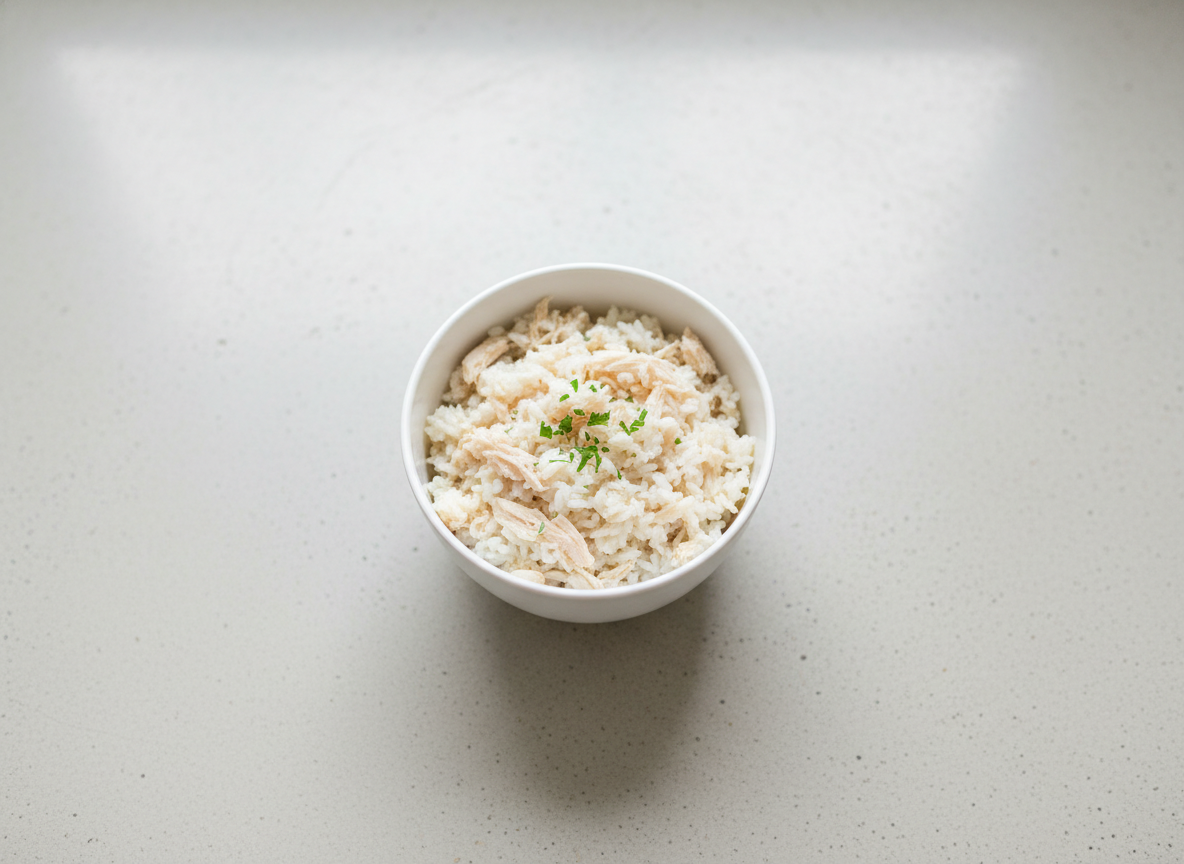
The short answer is: bland, low-fat, and easily digestible. Boiled chicken breast and plain white rice are the classic starting point for a reason — they’re gentle on the gut, provide usable energy, and are unlikely to trigger more vomiting. Some vets also recommend plain boiled sweet potato or pumpkin puree, which can help firm up loose stools. The American Kennel Club’s guidance on bland diets is a helpful reference for owners looking for practical options.
For dogs that won’t eat at all, or whose vomiting is severe, veterinary-prescribed liquid nutrition or appetite stimulants may be needed. Some canine parvovirus rapid test suppliers and diagnostic companies work closely with veterinary nutritionists to develop recovery protocols — it’s worth asking your vet whether a prescription GI diet might be appropriate as your dog starts to stabilize. Vet-approved commercial GI foods can serve well once the worst of the vomiting has passed, offering measured nutrition in a format the gut can handle.
How Should a Dog’s Normal Diet be Reintroduced After Parvo?
This is where a lot of owners make mistakes — they see their dog eating again and assume the hard part is over. But the intestinal lining takes time to fully heal, and switching back to regular food too quickly can set off another round of digestive upset. The transition needs to be slow and deliberate.
Start by introducing small amounts of regular food mixed into the bland diet — maybe 10 to 20 percent regular food to start, gradually increasing the ratio over 7 to 10 days. Watch your dog’s stools and energy levels closely throughout. Any sign of loose stools or reduced appetite is a signal to slow down. Clinics using tools like the ITGen Canine Parvovirus Antigen Rapid Test can also run follow-up checks to confirm the virus is truly clearing before pushing the dietary transition too aggressively.

What Common Feeding Mistakes Should be Avoided During Parvo Recovery?
The biggest mistake is overfeeding too soon. When a dog finally shows interest in food after days of not eating, the instinct is to let them eat as much as they want. Resist it. A gut that’s been through parvo is fragile, and a large meal can overwhelm it just as easily as the wrong food. Small, frequent portions are far safer than two or three large ones.
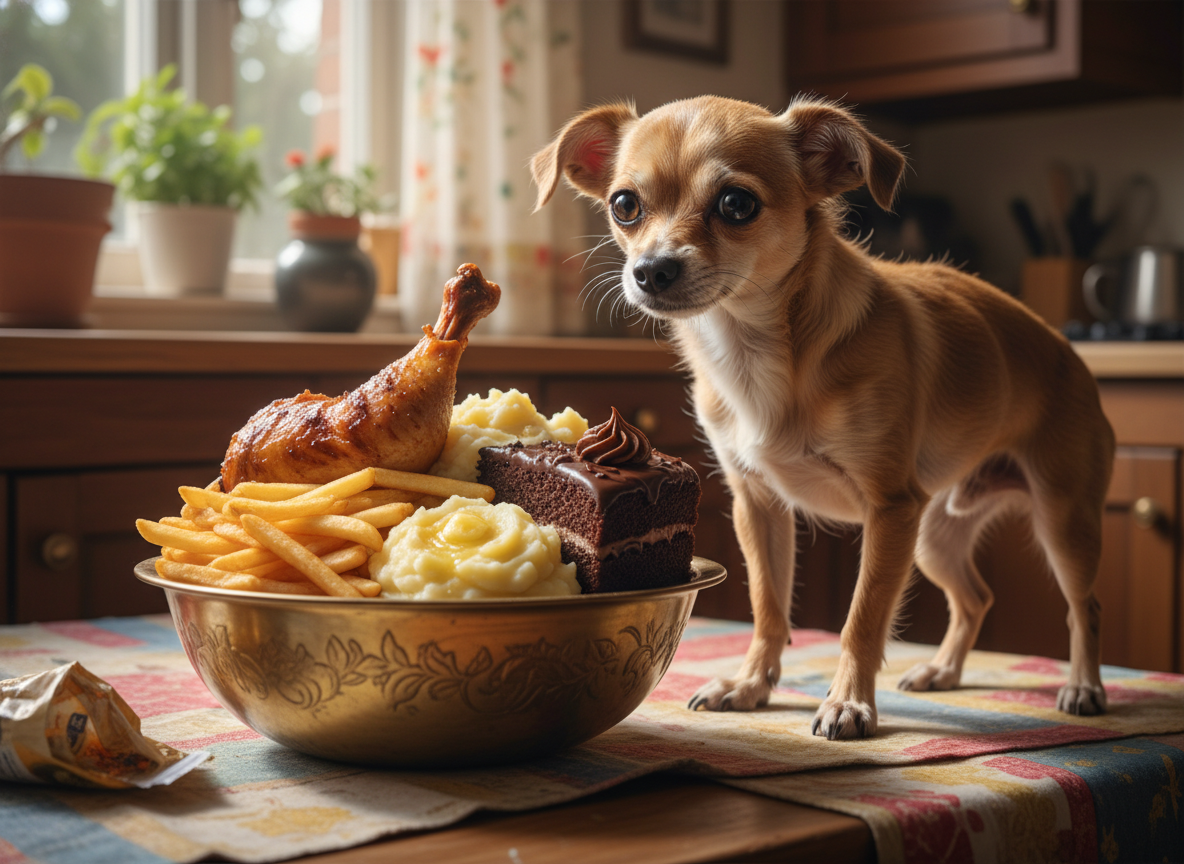
Beyond portion size, the main offenders are fatty foods, spiced or seasoned anything, table scraps, and dairy. These all add stress to a digestive system that’s still in repair mode. Some owners also make the mistake of stopping fluids too early — hydration remains critical even as the dog starts eating again. The AVMA’s canine parvovirus guidance is clear that fluid and electrolyte support should continue throughout recovery, not just during the acute phase. Veterinary practices that stock a reliable parvo rapid test factory-grade diagnostic kit can also use repeat testing to confirm recovery before easing restrictions — the full range of Sabervet diagnostic products includes options suited for exactly this kind of monitoring.
Conclusion
Parvo recovery is slow, and diet is one of the few things owners can directly control during the process. Getting the food right — bland at first, reintroduced gradually, and always matched to what the dog can actually tolerate — makes a meaningful difference in how quickly and completely a dog bounces back.
As manufacturers of canine parvovirus antigen rapid test diagnostics, we know that early detection gives treatment the best chance of working. The Sabervet Canine Parvovirus Rapid Test is designed for in-clinic use, delivering fast and reliable results so vets can start supportive care — including nutritional management — without delay. Combined with attentive home care and close communication with your veterinarian, the right diet can genuinely tip the balance toward recovery. As trusted parvovirus rapid test manufacturers, we’re committed to supporting both the diagnostic and the recovery side of canine parvo care.