
Pseudorabies Virus (PRV), also known as Aujeszky’s disease virus, is a herpesvirus that primarily affects pigs but can also infect cattle, dogs, cats, and other mammals. The virus causes severe economic losses in the swine industry due to reproductive failures, neurological symptoms, and high mortality rates. According to the World Organisation for Animal Health (WOAH), the disease remains a significant concern for international trade and animal welfare. Vaccination, strict biosecurity, and effective diagnostic measures remain key to controlling its spread. Understanding the transmission dynamics and prevention strategies of PRV is essential for maintaining livestock health and productivity.
Table of Contents
Table: Pseudorabies Virus Basic Information
| Characteristic | Description |
|---|---|
| Virus Type | Herpesvirus (Alphaherpesvirinae) |
| Primary Host | Pigs (domestic and wild) |
| Transmission | Direct contact, aerosols, contaminated surfaces |
| Economic Impact | Significant losses in swine industry |
| Prevention | Vaccination, biosecurity, diagnostic testing |
Understanding Pseudorabies Virus in Depth
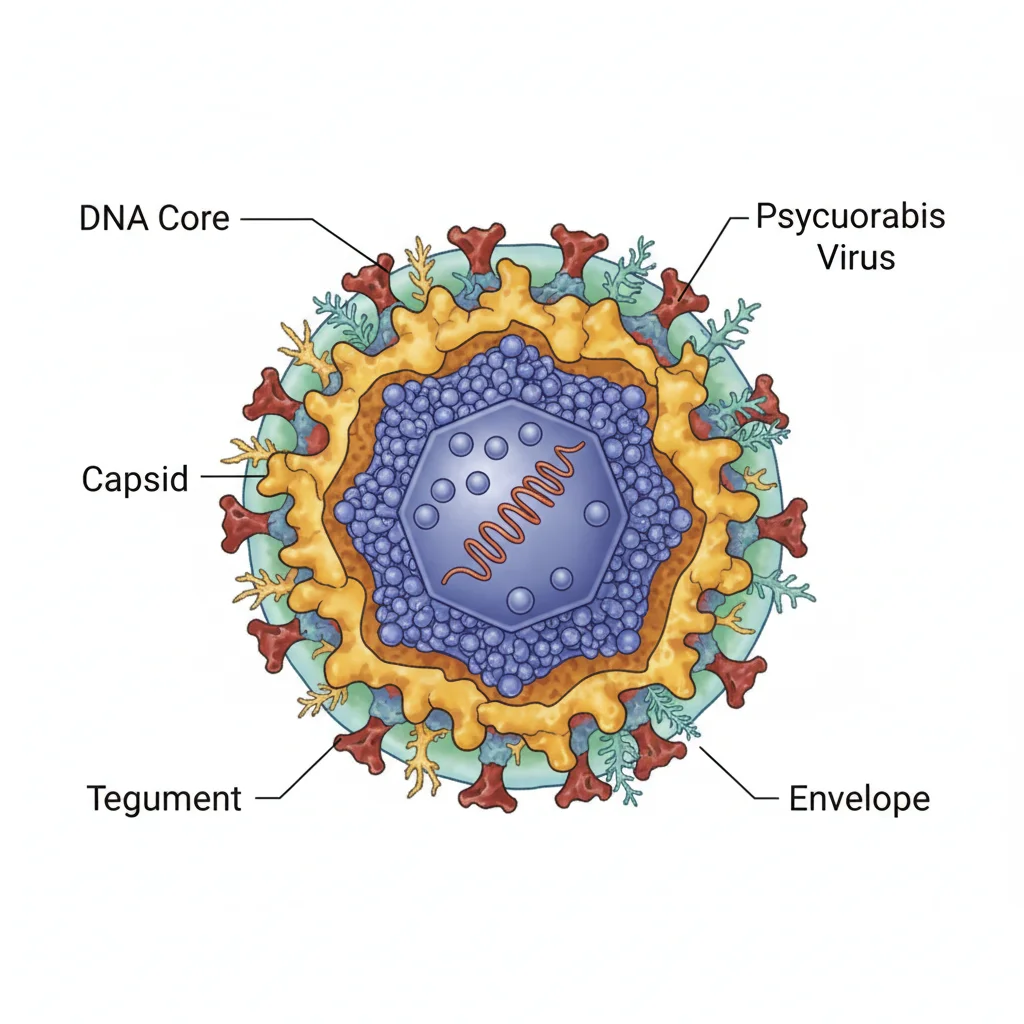
The genetic sequence of PRV reveals its complexity as a DNA virus with a genome structure that allows it to evade host immune responses effectively. Detailed technical data from Iowa State University’s Veterinary Diagnostic and Production Animal Medicine highlights that PRV can remain latent in infected animals and reactivate under stress conditions, creating ongoing challenges for disease control.
How Is Pseudorabies Virus Transmitted?

Pseudorabies virus transmission occurs through multiple pathways, making it particularly challenging to control in farming environments. The virus spreads primarily through direct contact between infected and susceptible animals, but it can also survive for extended periods in the environment.
Direct Transmission Routes:
- Nasal-to-nasal contact
- Saliva exchange
- Sexual contact
- Maternal transmission to offspring
Indirect Transmission Routes:
- Contaminated feed and water
- Farm equipment and vehicles
- Clothing and personnel
- Fomites in the environment
What Are the Clinical Signs of Pseudorabies Virus Infection?
Clinical presentation of pseudorabies varies depending on the species affected and the age of the animal. Guidelines from the USDA Animal and Plant Health Inspection Service (APHIS) emphasize that in pigs, the disease manifests differently in neonatal, growing, and adult animals.
In Pigs:
- Neonatal piglets: Severe neurological signs, trembling, convulsions, high mortality rates
- Growing pigs: Respiratory distress, fever, reduced performance
- Adult pigs: Reproductive failures, respiratory issues
In Non-Pig Species:
- Cattle: Respiratory disease, neurological signs
- Dogs: Intense itching at the site of infection, neurological symptoms
- Cats: Similar to dogs but often more severe with fatal outcomes
How Can Pseudorabies Virus Be Controlled and Prevented?
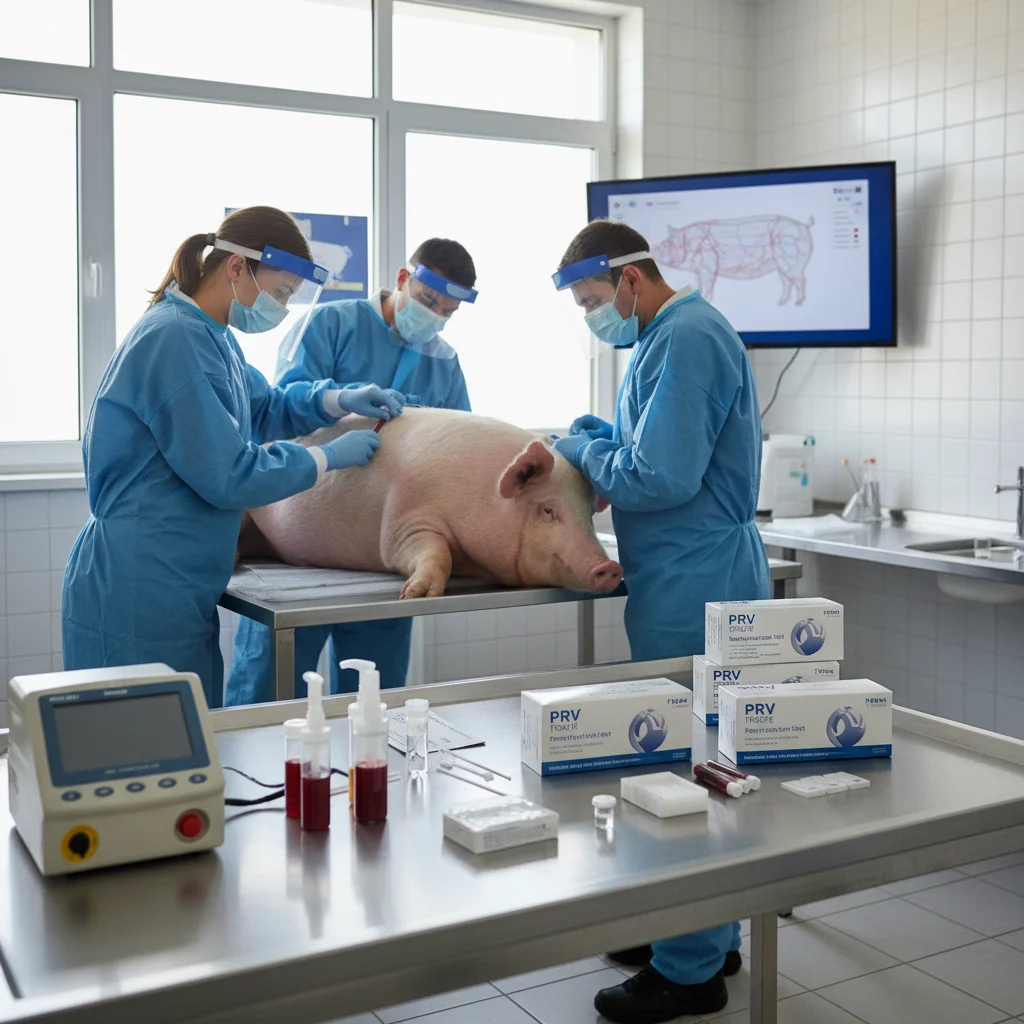
Effective control of pseudorabies requires a comprehensive approach that combines vaccination, biosecurity measures, surveillance, and management practices. Diagnostic resources provided by the Cornell University College of Veterinary Medicine are critical for identifying early-stage infections and preventing herd-wide outbreaks.
Vaccination Programs:
- Modified live vaccines for breeding stock
- Inactivated vaccines for sows and gilts
- Strategic timing based on production cycles
Biosecurity Measures:
- Strict visitor protocols and entry controls
- Separation of age groups
- Decontamination procedures
- Proper waste management
Surveillance and Monitoring:
- Regular serological testing
- Clinical monitoring for early detection
- Rapid response protocols
What Are the Economic Impacts of Pseudorabies Outbreaks?
Pseudorabies represents one of the most costly viral diseases affecting the swine industry globally. Economic impacts extend beyond direct mortality costs to include production losses, control measures, and trade restrictions.
Direct Economic Losses:
- High mortality in young piglets
- Reduced growth rates in affected herds
- Reproductive failures
- Increased veterinary and diagnostic costs
Indirect Economic Losses:
- Trade restrictions and market access issues
- Increased production costs
- Depreciation of breeding stock
Frequently Asked Questions About Pseudorabies Virus
Q: Can pseudorabies virus infect humans?
A: Currently, there is no evidence that PRV infects humans. However, the virus causes severe illness in other mammals and represents a significant economic threat to the swine industry.
Q: How long does pseudorabies virus survive in the environment?
A: PRV can remain viable for up to seven days on fomites and in organic matter under optimal conditions.
Q: What is the difference between pseudorabies and rabies?
A: Pseudorabies is caused by a herpesvirus and primarily affects pigs, while rabies is caused by a rhabdovirus and affects mammals including humans. Both cause neurological signs but have different transmission patterns.
Q: Are there any effective treatments for pseudorabies?
A: No specific antiviral treatments are available. Treatment focuses on supportive care and prevention of secondary bacterial infections. Prevention through vaccination and biosecurity is the primary control strategy.
Q: How can farmers protect their herds from pseudorabies?
A: Implement strict biosecurity measures, maintain vaccination programs, conduct regular surveillance, and isolate any animals showing clinical signs promptly.
Conclusion: The Importance of Pseudorabies Prevention
Pseudorabies virus remains a significant threat to global swine health and productivity. The combination of its ability to cause severe disease, spread through multiple transmission routes, and persist in the environment makes it particularly challenging to control.
Effective prevention requires:
- Continuous vaccination programs
- Strict biosecurity protocols
- Regular surveillance and monitoring
- Rapid response to suspected cases
- Education and awareness for farm personnel
Call to Action
Protect your livestock investment with comprehensive pseudorabies prevention strategies. Contact ITGen today for advanced diagnostic solutions and veterinary consultation to safeguard your swine operations against this devastating disease.
Learn More About Animal Health Solutions: