What Are the Giardia Infection Risks for Dogs in Urban Parks?
As urban parks become central to pet activity, they also emerge as hotspots for Giardia spp. transmission among dogs. Dogs can easily become infected through contaminated water, soil, or fecal contact with other pets. Moist, crowded, and poorly maintained park areas further elevate this risk. Strengthening sanitation management, routine deworming, and public awareness are key to reducing infection rates. This emphasizes the need for urban planners to balance pet-friendly policies with robust health safeguards.
Table of Contents
- Understanding Giardia and Your Dog’s Health
- How Dogs Get Infected in Urban Parks
- Signs of Giardia Infection to Watch For
- Prevention Strategies for Park-Going Dogs
- Frequently Asked Questions About Giardia
Understanding Giardia and Your Dog’s Health
Giardia is a microscopic parasite that can cause serious gastrointestinal issues in dogs. According to the Centers for Disease Control and Prevention (CDC), Giardia is one of the most common intestinal parasites affecting dogs worldwide, particularly in areas where animals congregate (CDC, 2023). This waterborne protozoan thrives in environments contaminated with fecal matter, making urban parks especially concerning for dog owners.
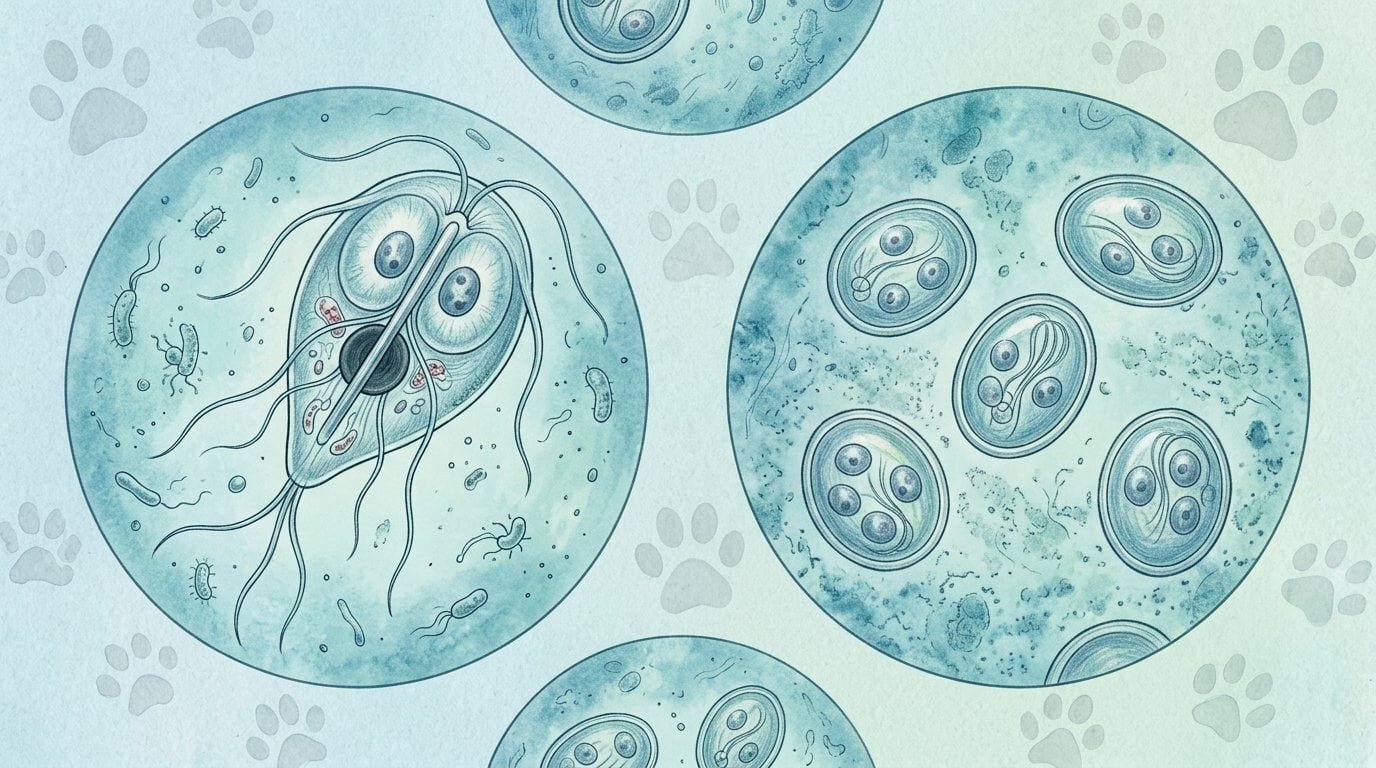
The lifecycle of Giardia involves two main stages: the active trophozoite form and the protective cyst form. Dogs typically become infected by ingesting these resilient cysts through contaminated water sources, soil, or direct contact with infected feces. Once inside the host, the parasites attach to the intestinal lining, disrupting normal nutrient absorption and causing inflammation.
Urban parks present unique challenges because they often contain multiple water sources – from puddles and ponds to shared water bowls. Studies published in the Journal of Veterinary Internal Medicine have shown that dogs visiting urban parks are 3-5 times more likely to encounter Giardia compared to dogs primarily exercising in controlled environments (Taylor et al., 2022).
How Dogs Get Infected in Urban Parks
Ever wondered why your healthy pup suddenly starts showing signs of giardiasis after a routine park visit? The transmission pathways are more complex than most dog owners realize. Urban parks create perfect storm conditions for Giardia spread through multiple contamination routes that occur simultaneously.
Water contamination represents the primary transmission vector. Standing water sources – whether natural puddles after rain or man-made ponds – frequently contain Giardia cysts shed by infected animals. Research from the American Veterinary Medical Association indicates that up to 15% of surface water samples in urban areas test positive for Giardia contamination (AVMA, 2023). When dogs drink from these sources or simply splash through them, they ingest the infectious cysts.
Soil contamination poses an equally significant threat. Dog feces left in parks by irresponsible owners decompose over time, releasing Giardia cysts into the surrounding soil. These cysts can survive in the environment for weeks to months, especially in moist conditions. Dogs then become infected by sniffing or licking contaminated paws, or even by digging in contaminated soil.
Direct animal-to-animal contact facilitates transmission as well. The close proximity of dogs in off-leash areas allows for direct fecal-oral transmission when dogs sniff each other’s rear ends or share toys and water bowls. A study published in Parasitology Research found that dogs in dog parks have a significantly higher prevalence of Giardia compared to dogs that primarily exercise individually (Müller et al., 2023).

Signs of Giardia Infection to Watch For
What are the telltale signs that your furry companion might be battling a Giardia infection? Recognizing these symptoms early can make all the difference in preventing prolonged suffering and potential complications. The clinical presentation of giardiasis in dogs can vary significantly, making diagnosis challenging without proper veterinary attention.
Gastrointestinal disturbances dominate the clinical picture. The most common symptom is persistent, foul-smelling diarrhea that may range from mild to severe. Unlike typical dietary upset, giardiasis-related diarrhea often contains mucus and sometimes blood. Many owners report a distinctive “rotten egg” smell to the stool, which can be quite off-putting. Some dogs experience intermittent diarrhea, with good days followed by bad days, making it easy to dismiss as minor digestive issues.
Vomiting frequently accompanies diarrhea, though not always. When present, vomiting may contain bile and undigested food. Weight loss becomes evident in chronic cases, as the parasites interfere with normal nutrient absorption. Despite maintaining their appetite, affected dogs may lose weight and develop a dull coat due to malnutrition.
Abdominal discomfort manifests as bloating, gas, and occasional pain when the abdomen is palpated. Dogs may exhibit behavioral changes such as decreased activity level, lethargy, and reluctance to exercise. Young puppies, elderly dogs, and those with compromised immune systems are particularly susceptible to severe symptoms, including dehydration and weakness.
Prevention Strategies for Park-Going Dogs
How can you protect your beloved canine companion from Giardia while still allowing them to enjoy outdoor adventures? Implementing proactive prevention strategies significantly reduces the risk of infection while maintaining quality of life for both you and your pet. The key is balancing risk management with the physical and mental benefits of park visits.
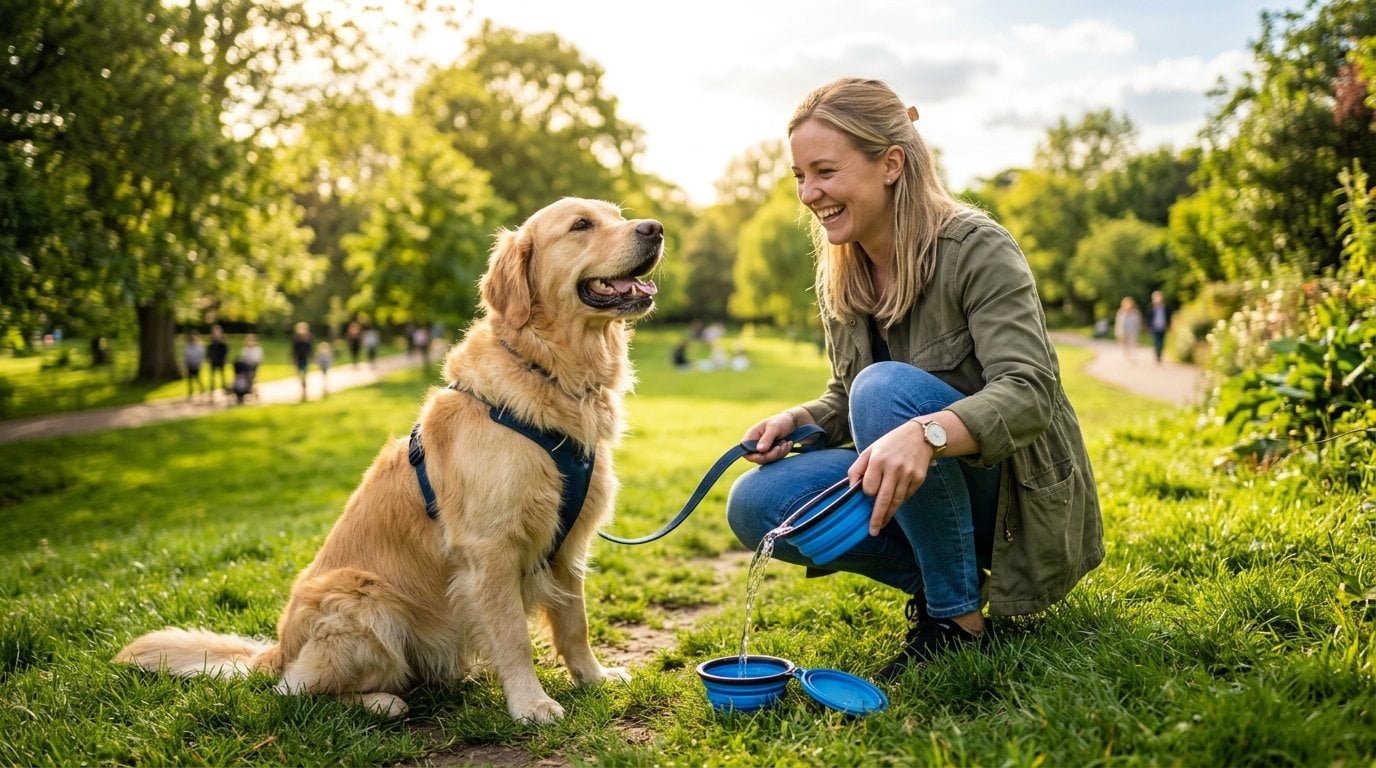
Water source management forms the cornerstone of prevention. Always carry fresh water and a collapsible bowl for your dog, eliminating the need to drink from potentially contaminated sources like puddles, ponds, or communal water bowls. If you must allow your dog to drink from natural sources, choose fast-moving streams over stagnant water, as flowing water is less likely to harbor concentrated parasite loads.
Immediate paw hygiene after park visits prevents track-in contamination. Keep pet-safe wipes or a gentle paw cleaner in your car to wipe your dog’s paws before re-entering your vehicle or home. Focus particularly on the paw pads and between toes, as these areas can trap contaminated soil. Consider training your dog to tolerate paw wiping as part of your post-park routine.
Regular veterinary check-ups and fecal testing provide early detection and treatment. Schedule routine examinations every 6-12 months, or more frequently if your dog frequently visits high-risk areas like dog parks. Modern dog fecal test options include both traditional microscopic examination and advanced antigen tests that can detect Giardia cysts with greater accuracy.
Environmental sanitation at home reduces ongoing exposure. If you suspect contamination, clean outdoor areas with pet-safe disinfectants and maintain regular waste removal. Indoor surfaces benefit from frequent cleaning, especially if your dog has visited potentially contaminated areas. Consider using enzymatic cleaners designed specifically for organic waste removal.
Strategic park timing minimizes exposure risk. Visit parks during off-peak hours when fewer dogs are present, reducing the likelihood of encountering infected animals. Avoid parks known for poor maintenance or visible waste issues. Some cities now offer park quality ratings or user-reported cleanliness information that can help you make informed choices.
Canine giardia test kits are available for concerned owners who want to monitor their dog’s health between veterinary visits. While not as comprehensive as professional testing, these at-home options can provide peace of mind and early warning of potential issues.
Giardia test kits for dogs have become increasingly sophisticated, offering multiple testing methods including fecal flotation, antigen detection, and even DNA-based approaches. The choice of test depends on factors like cost, accuracy requirements, and your dog’s specific risk factors.
Frequently Asked Questions About Giardia
Q: Can healthy-looking dogs still carry Giardia?
A: Absolutely! Many dogs can be asymptomatic carriers, shedding cysts without showing any signs of illness. This is particularly common in adult dogs with robust immune systems. These carriers unknowingly spread the parasite to other dogs in shared spaces. Regular testing is essential, even for apparently healthy dogs, especially those who frequently socialize with other canines.
Q: How long does it take for symptoms to appear after exposure?
A: The incubation period for Giardia typically ranges from 5 to 14 days. However, some dogs may show symptoms within just a few days of exposure, while others might not develop clinical signs for several weeks. This variable incubation period makes it challenging to pinpoint the exact source of infection when multiple potential exposure sites exist.
Q: Are certain dog breeds more susceptible to Giardia?
A: While all dogs can contract Giardia, some breeds and individuals may be more susceptible. Young puppies with immature immune systems, elderly dogs with declining immunity, and breeds with genetic predispositions to gastrointestinal issues often experience more severe symptoms. Additionally, dogs that are already immunocompromised due to other health conditions face higher risks of complications.
Q: Can Giardia infections be prevented entirely?
A: Complete prevention is challenging due to the widespread nature of the parasite in the environment. However, the combination of proper hygiene, water source management, regular veterinary care, and prompt treatment significantly reduces risk. No prevention strategy is 100% foolproof, but multiple layers of protection can dramatically decrease the likelihood of infection and its severity.
Q: Is it safe to use my dog’s regular food during treatment?
A: Most dogs can continue their regular diet during Giardia treatment, though some veterinarians may recommend temporary dietary modifications to support gut health. During acute phases, easily digestible foods like boiled chicken and rice may be beneficial. Always follow your veterinarian’s specific dietary recommendations, as they can tailor advice based on your dog’s individual needs and the severity of infection.
Q: Can humans get Giardia from their infected dogs?
A: While Giardia can infect both humans and animals, the strains that typically affect dogs are different from those that commonly infect humans. However, the possibility of cross-species transmission exists, particularly in households with immunocompromised individuals. Good hygiene practices, including thorough handwashing after handling dogs and cleaning up waste, help minimize any potential risk of transmission between species.
Q: How long after treatment is my dog no longer contagious?
A: Most dogs stop shedding Giardia cysts within 3-7 days of starting appropriate treatment. However, your veterinarian will typically recommend follow-up testing to confirm clearance of the infection. Complete resolution of symptoms may take longer, as the intestinal inflammation needs time to heal. Always follow your vet’s guidance on treatment duration and follow-up care to ensure full recovery and prevent recurrence.
Q: Can natural remedies effectively treat Giardia in dogs?
A: While some natural supplements may support overall gut health during recovery, they are not adequate as sole treatments for Giardia infections. The standard treatment involves prescription medications like metronidazole, fenbendazole, or other anti-parasitic drugs specifically designed to eliminate Giardia. Always consult your veterinarian for proper diagnosis and treatment recommendations, as untreated infections can lead to chronic health problems.
Q: Is vaccination available to prevent Giardia in dogs?
A: Currently, there is no commercially available vaccine specifically designed to prevent Giardia infections in dogs. Research into Giardia vaccines continues, but no products have achieved widespread veterinary approval or adoption. Prevention through proper hygiene, water management, and regular veterinary care remains the most effective approach to reducing Giardia risk in dogs.
Q: Should I avoid taking my dog to parks altogether to prevent Giardia?
A: Complete avoidance of parks is neither practical nor necessary for most dogs. The physical exercise, mental stimulation, and socialization benefits of park visits generally outweigh the manageable Giardia risks. By implementing proper prevention strategies, choosing cleaner parks, maintaining good hygiene, and staying vigilant for symptoms, you can significantly reduce risk while still allowing your dog to enjoy outdoor activities that contribute to their overall health and wellbeing.
Conclusion
Urban parks, while wonderful spaces for dog exercise and socialization, do pose significant risks for Giardia transmission. Understanding the transmission pathways, recognizing early symptoms, and implementing comprehensive prevention strategies can significantly reduce your dog’s risk while still allowing them to enjoy outdoor adventures.
The key lies in balancing risk management with quality of life. By carrying fresh water, practicing immediate paw hygiene, scheduling regular veterinary check-ups, and staying vigilant for symptoms, you can protect your furry companion while still allowing them the physical exercise and mental stimulation that parks provide.
Remember that early detection and treatment are crucial for preventing complications and ensuring your dog’s long-term health. Don’t hesitate to consult your veterinarian if you notice any concerning symptoms, especially after park visits where exposure risk is elevated.
As responsible pet owners, we must advocate for better park management and public awareness about canine parasite risks. By working together with local authorities and other dog owners, we can create safer, healthier outdoor environments for all our furry friends to enjoy.
Call to Action
Protect your dog from Giardia with comprehensive prevention strategies and reliable testing solutions. Explore giardia test kits for dogs that provide accurate early detection, and maintain your pet’s health with regular veterinary care. Remember that prevention is always more effective and less costly than treatment.
Join our community of responsible dog owners committed to keeping pets safe in urban environments. Share this article with other park-goers and help raise awareness about Giardia prevention. For more information about canine parasite management and access to quality canine giardia test options, visit our website today.
Your dog’s health is worth protecting – start implementing these Giardia prevention strategies before your next park adventure!