What Are the Traditional Methods for Classical Swine Fever Diagnosis?
How Do Conventional Lab Tests Work?
Veterinarians and scientists have used different ways to find Classical Swine Fever for a long time. These CSFV diagnostic methods show if pigs are sick and help control the disease. Here are some common ways to test:
- Virus Isolation: This is called the gold standard. Scientists grow the virus from pig samples in the lab. It works well but takes a lot of time and work.
- Fluorescent Antibody Test (FAT): This test uses special colors to spot the virus in pig tissues. It helps tell Classical Swine Fever from other viruses.
- Antigen-Capture ELISA: This test looks for virus pieces in blood. It is fast and easy, so many Classical Swine Fever lab testing services use it.
- Real-Time RT-PCR: This test finds the virus’s genetic material. It is quick and very exact, so many new CSF lab test methods use it.
Tip: Farms and labs often use more than one test to be sure about the results.
What Are the Main Limitations?
Each old method has good and bad points. The table below shows how they are different:
| Method | Advantages | Disadvantages |
|---|---|---|
| Virus Isolation | Very sensitive; shows active infection | Labor-intensive; slow; needs special tools and skills |
| FAT | Quick; direct view of virus in tissue | Needs special equipment; expert staff; needs confirmation |
| Antigen-capture ELISA | Fast; simple equipment | Lower sensitivity; can react with other viruses |
| RT-PCR | Fast; sensitive; specific | Needs special machines; risk of false negatives |
| VNT | Very accurate | Labor-intensive; slow; needs special tools and skills |
| Antibody ELISA | Fast; simple equipment | Can react with other viruses |
Many old CSFV diagnostic methods need trained people and special machines. Some tests, like CSFV PCR test kits, are very sensitive but need careful handling. Others, like IVD kits for Classical Swine Fever, are easier to use but may not always be right. These problems made people create new tools like Sabervet and CSF antibody detection kits for faster and better Classical Swine Fever virus test results.
What Are the Latest Molecular Diagnostic Advances?
How Does Real-Time PCR Improve Detection?
Real-time PCR, also called qPCR, has changed how experts find Classical Swine Fever. This method uses special machines to look for the virus’s genetic material. It works fast and is very accurate. Scientists made real-time RT-PCR almost 1000 times more sensitive than older tests by improving the reverse transcription step. This means it can find even tiny amounts of the virus early. Early detection helps stop outbreaks quickly. Many CSFV diagnostic methods now use CSFV PCR test kits because they are very sensitive and reliable. These kits are important for modern CSF lab test services.
| Method | Sensitivity | Specificity |
|---|---|---|
| Real-time PCR (qPCR) | Highest | High |
| Multiplex RT-PCR | High | High |
| RT-LAMP | 100-fold more sensitive than conventional RT-PCR | High |
| Fluorescence-based FISH | High | High |
Note: Real-time PCR is now used in many Classical Swine Fever virus test protocols.
What Is the Role of LAMP in Field Testing?
Loop-mediated isothermal amplification, or LAMP, is another tool for finding CSFV. LAMP works at one temperature, so it does not need fancy machines. This makes it great for farms and faraway places.
- LAMP gives quick and trustworthy results, even with little equipment.
- It works with simple samples, so it is easy to use in the field.
- Results come fast, which helps veterinarians act quickly.
Many IVD kits for Classical Swine Fever and CSF antibody detection kits now use LAMP technology. This brings advanced diagnostics, like Sabervet, right to the farm.
How Is Next-Generation Sequencing Used?
Next-generation sequencing, or NGS, is a strong tool for studying Classical Swine Fever. NGS can find both known and new viruses in a sample. It gives results faster than old methods. It can also be used with other tests for more information.
| Advantages of NGS | Limitations of NGS |
|---|---|
| Faster turnaround times | Lack of morphological context |
| Finds unknown pathogens | Uncertainty about clinical relevance |
| Can combine with ISH for context | Needs extra methods for tissue pathogen detection |
NGS helps scientists track outbreaks and find new virus strains. It is an important part of the future for CSFV diagnostic methods and Classical Swine Fever virus test development.
How Do Classical Swine Fever Lab Testing Services Enhance Diagnosis?
What Is the Role of Cell Lines in CSF Lab Testing?
Labs use special cell lines to find the Classical Swine Fever virus. These cell lines help scientists grow the virus from pig samples. This helps them check if a pig has the virus. PK-15 and SK-6 are the most used cell lines in these tests. Some labs also use pulmonary alveolar macrophages and peripheral blood mononuclear cells. These extra cell types can help find more kinds of the virus.
Here is a table that lists the main cell lines and their good points:
| Cell Line | Advantages |
|---|---|
| PK-15 | Used a lot for virus isolation |
| SK-6 | Used a lot for virus isolation |
| Pulmonary Alveolar Macrophages | Can help find different CSFVs with different growth traits |
| Peripheral Blood Mononuclear Cells | Can help find different CSFVs with different growth traits |
Classical Swine Fever lab testing services often use these cell lines with new tools like CSF lab test and CSF antibody detection kits. These ways help labs prove infections and learn more about the virus.
How Do Lab Services Compare to On-Site Tests?
Classical Swine Fever lab testing services give very accurate and detailed results. They use advanced ways like virus isolation and CSFV PCR test kits. These tests take more time but give strong proof for disease control.
On-site rapid tests, like Sabervet and IVD kits for Classical Swine Fever, give results in just a few minutes. They are easy to use on farms and help vets make fast choices. These tests are small and not expensive, which is good during outbreaks or in faraway places.
- Rapid tests give quick answers for fast action.
- They help when labs are not close by.
- They are simple and cheap, so they are great for field work.
For the best results, use rapid tests first and then check positive cases with lab tests. This way, you get correct disease tracking and meet official rules.
Both Classical Swine Fever lab testing services and rapid tests are important. When used together, they help stop outbreaks and keep pig herds safe.
What Are the Advances in Rapid and Serological Tests?
How Do Rapid Antigen and Antibody Tests Work?
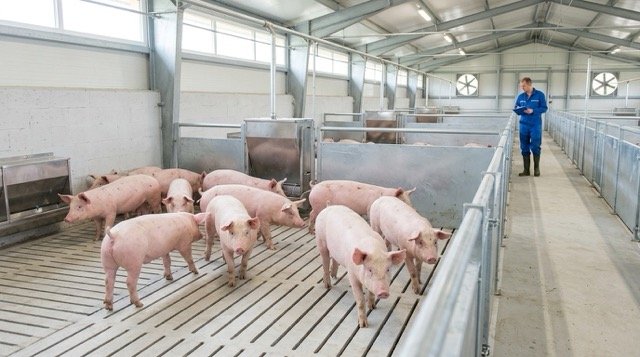
Rapid antigen and antibody tests have changed how veterinarians find Classical Swine Fever. These tests use small tools to check for the virus or the pig’s immune response. They can be used right on the farm or in a clinic. Results are ready in just a few minutes, not days.
Some new improvements in these tests are:
- Each test needs less sample and fewer chemicals.
- Results come faster, so vets can act quickly.
- The steps are easy and do not need special training.
- They work well even outside the lab.
These changes make rapid tests very helpful for stopping disease. Farmers and vets can check sick pigs right away. This helps stop the disease from spreading. Rapid tests are also good for faraway places without labs. They help people tell animal health groups about sick pigs early.
Here is a table that compares rapid tests and lab methods:
| Feature | Rapid Diagnostic Tools | Laboratory-Based Methods |
|---|---|---|
| Speed | Immediate results within minutes | Longer processing time |
| Portability | Can be used on-site in farms | Requires sample transport to labs |
| Ease of Use | Simple to deploy and operate | More complex procedures |
| Confirmatory Testing Requirement | Follow-up with lab tests recommended | Primary method for accurate diagnosis |
| Economic Impact | Reduces economic losses by accelerating response | May lead to delays in outbreak management |
Vets often use rapid tests first. They check positive results with lab-based CSF lab test methods. This way, outbreaks can be stopped quickly and pig herds stay safe.
What Makes the SaberVet Classical Swine Fever Virus Antibody Rapid Test Innovative?
The SaberVet Classical Swine Fever Virus Antibody Rapid Test from Antigenne is special among new CSF antibody detection kits. This test uses a lateral flow immunoassay to find antibodies against Classical Swine Fever Virus in pig blood or plasma. It is made for both vets and pig farmers.
Some important things that make Sabervet stand out are:
- High Sensitivity and Specificity: The test is 99% sensitive and 98.8% specific in clinical trials. This means it gives correct results and lowers the chance of mistakes. Good results help farmers and vets make smart choices for their pigs.
- Ease of Use: The test is easy to do. You just add a small sample and wait for the answer. The instructions are clear, so anyone can use it without special training.
- Field Applicability: The test works well on the farm, even far from cities. It does not need special machines or cold storage. It lasts for select months at 2-30°C, so it is easy to keep and move.
- Certification and Quality: The SaberVet test is made in a CE, ISO 13485, and GMP certified place. This means every kit is high quality and can be trusted.
- Support Services: Antigenne gives technical help and training. Users can get support when needed. The company also lets others use their own brand and packaging.
Here is a table with key points for rapid tests like Sabervet:
| Factor | Description |
|---|---|
| Sensitivity | High sensitivity reduces the risk of missing infected pigs. |
| Specificity | High specificity prevents unnecessary culling or quarantine. |
| Ease of Use | Simple steps and clear instructions make testing quick and easy. |
| Sample Requirements | Accepts serum and plasma, making sample collection flexible. |
| Regulatory Compliance | Certified for use in official disease control programs. |
| Shelf Life | Long shelf life (24 months) allows for storage and use in many settings. |
| Support | Technical help and training ensure users get the most from the test. |
The SaberVet Classical Swine Fever Virus Antibody Rapid Test is a key tool for finding CSF early and managing it. It helps people act fast during outbreaks and keeps pigs safe. Along with other IVD kits for Classical Swine Fever and CSFV diagnostic methods, Sabervet brings better testing to farms, making disease control easier and more available.
How Do New Diagnostic Methods Compare to Traditional Ones?
What About Sensitivity and Specificity?
Sensitivity and specificity are very important for any Classical Swine Fever virus test. Sensitivity tells us if a test can find sick pigs. Specificity tells us if a test avoids mistakes. New CSFV diagnostic methods use special tools like monoclonal antibodies or new molecular methods. These ways can be very accurate.
For example, some new tests use monoclonal antibodies called mAb 3A9 and mAb 4F7. These tests work really well:
| Diagnostic Method | Sensitivity (%) | Specificity (%) |
|---|---|---|
| mAb 3A9 | 97.49 | 96.08 |
| mAb 4F7 | 95.97 | 94.38 |
These numbers show that new tests find almost all sick pigs. They also do not make many mistakes. Many CSF lab test services use these new tools now. Products like Sabervet and CSF antibody detection kits also have high sensitivity and specificity. This helps farmers and vets trust the results and act fast.
How Do Speed and Practicality Affect Use?
Speed and practicality are important for stopping disease. Old tests, like virus isolation, can take a few days. They need special labs and trained workers. New IVD kits for Classical Swine Fever and CSFV PCR test kits give answers in minutes or hours. This means vets can decide what to do much faster.
Modern tools like Sabervet are simple to use on farms. They do not need big machines. Farmers can test pigs right away. This helps stop outbreaks before they get worse. Many CSF antibody detection kits and CSF lab test choices now focus on fast results and easy steps.
Tip: Use rapid tests first, then check with lab tests for the best herd health.
What Challenges Remain in CSF Diagnostics?
Are There Cost and Accessibility Issues?
Swine farmers have problems using new CSFV diagnostic methods. Many new tools, like CSF lab test services and CSF antibody detection kits, cost a lot of money. Farmers in the countryside or poor areas cannot always get these tools. Some places do not have rules for testing, so stopping the disease is harder. Advanced tests, such as CSFV PCR test kits and IVD kits for Classical Swine Fever, need special machines and trained workers. Rules for new products are also hard to follow, so it takes longer for them to be sold.
🐖 Tip: Cheap and simple tests, like Sabervet, help farmers in faraway places.
- High prices make it hard for everyone to use new tests.
- People in the countryside cannot always get advanced tools.
- Not all places have the same testing rules.
- Special machines and trained people are needed.
- Getting approval for new tests can take a long time.
What Technical Barriers Exist?
Technical problems can slow down the fight against Classical Swine Fever. It is hard to get samples from wild pigs or faraway places. DIVA tests are needed when using DIVA vaccines, but these tests are not easy. Some Classical Swine Fever virus test ways still miss sick pigs, so not all cases are found.
- Getting samples is hard in wild pigs and far places.
- DIVA tests make the process more difficult.
- Some tests do not find every sick pig.
What About Regulatory and Logistical Hurdles?
Rules and moving samples can slow down new tests for farms. Getting approval for new CSF lab test kits and CSF antibody detection kits takes a long time. Sending samples from farms to labs is slow, especially in the countryside. Some IVD kits for Classical Swine Fever and CSFV PCR test kits need to be kept cold, but this is not always possible. These problems can make it take longer to find and stop the disease.
| Challenge | Impact on Diagnostics |
|---|---|
| Regulatory approval | Slows down access to new tests |
| Sample transport | Delays diagnosis in remote locations |
| Cold storage needs | Limits use of some test kits |
Note: Faster approval and better ways to move samples can help stop the disease and keep pigs safe.
What Are the Future Perspectives for CSF Diagnosis?
How Will Digital Tools and AI Impact Detection?
Digital tools and artificial intelligence are changing how experts find Classical Swine Fever. Drones with AI can look for wild boars and their bodies in forests and fields. This helps farmers and veterinarians watch animal groups and stop disease from spreading. Better ways to count animals make disease control work better. These new ideas help people use CSFV diagnostic methods in smart ways and show where to use CSF lab test kits.
🛰️ AI-powered drones help find sick animals and keep pig herds safe.
What Emerging Technologies Are on the Horizon?
New tools will change how we test for Classical Swine Fever virus test and control the disease. Scientists are making tests that work faster and give better results. Here is a table with some of these new tools:
| Emerging Technology | Description |
|---|---|
| Multiplex PCR Assays | Finds more than one germ at a time, so it is more sensitive. |
| Digital ELISA Platforms | Makes blood tests quicker and more correct. |
| Biosensor-based Rapid Tests | Gives fast answers to help stop disease quickly. |
| Digital Health Solutions | Uses phone apps and cloud systems for better data and testing. |
Small point-of-care (POC) tools will help farmers and vets use IVD kits for Classical Swine Fever and CSFV PCR test kits right on the farm. These tools will make it easier to find, control, and stop the disease.
- Multiplex PCR assays help find more germs.
- Digital ELISA platforms make results more exact.
- Biosensor-based rapid tests give answers fast.
- Digital health solutions help manage data better.
How Can Integrated Strategies Improve Disease Control?
Integrated strategies use different tools together to fight Classical Swine Fever. Using quick tests, lab services, and digital tools at the same time gives the best results. Here is a table that shows how these plans help:
| Evidence Type | Description |
|---|---|
| POC Diagnostics | Fast and easy tools help farmers and vets act quickly. |
| User-friendly Tools | Good and cheap tests help people make choices right away. |
| Available Kits | Special kits let people test for CSFV in the field fast. |
Using CSF antibody detection kits, Sabervet, and other CSFV diagnostic methods together makes disease control better. Farmers can use quick tests first and check results with CSF lab test services. This way, pig herds stay safe and the swine industry stays strong.
🐖 Using different tools together helps protect pigs and keeps farms healthy for the future.
Recent advances in CSFV diagnostic methods make it easier to control disease and keep pig herds safe.
- New tools like Sabervet, CSF lab test, and CSF antibody detection kits help stop the virus from spreading between pigs.
- Reviews say that genetic typing and sensitive CSFV PCR test kits are important for finding and tracking outbreaks.
| Collaborating Entities | Purpose of Collaboration |
|---|---|
| Public Health Agencies | Help watch for disease and keep track of cases |
| Research Institutes | Create new ways to test for the disease |
| Private Diagnostic Companies | Bring new ideas to Classical Swine Fever virus test |
The market for IVD kits for Classical Swine Fever is getting bigger, which means more support for better tools in the future. Working together and coming up with new ideas will help farms stay safe and strong.
FAQ
What is the main benefit of using rapid tests like Sabervet?
Rapid tests like Sabervet give answers very fast. Farmers and vets can make choices right away to help pigs. These tests stop Classical Swine Fever from spreading on farms.
How do CSF lab test services support disease control?
CSF lab test services use special tools to check for infection. They give correct results so experts can follow outbreaks. These services are needed for official reports about the disease.
Why are CSFV PCR test kits important for early detection?
CSFV PCR test kits look for the virus’s genetic code. They find infection before pigs look sick. Finding the disease early stops big outbreaks.
Can IVD kits for Classical Swine Fever be used on small farms?
Yes, IVD kits for Classical Swine Fever are easy to use. Farmers on small or faraway farms can use these kits without special lessons. They help keep pig groups healthy.