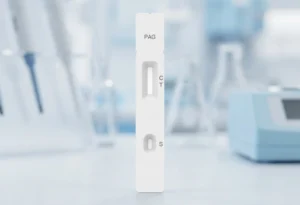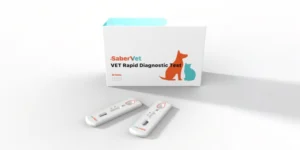
The Bovine Viral Diarrhea Test Card gives you a fast way to detect BVDV antibodies right where your cattle live. You can act quickly to protect your herd before problems grow. Early detection helps you stop disease spread and keep your animals healthy. When you use a trusted product like SaberVet, you get reliable results in just minutes. This means you can make better choices for your farm and boost your herd’s productivity.
Key Takeaways
- The Bovine Viral Diarrhea Test Card allows for quick detection of BVDV antibodies, helping you protect your herd’s health.
- Early detection of BVDV can prevent disease spread, reduce mortality rates, and improve milk production.
- Regular testing with the Test Card supports better herd management and helps you make informed decisions.
- Collaboration with your veterinarian enhances testing effectiveness and ensures proper herd health protocols.
- Storing test cards at room temperature and keeping good records of results can improve your testing routine.
Understanding BVD in Herds
What Is BVD
Bovine Viral Diarrhea (BVD) is a contagious disease that affects cattle around the world. You may not realize how common it is. Studies show that about 15.74% of cattle herds globally have BVDV. This number comes from a review of data collected between 2010 and 2021, with a confidence interval of 95% (11.35–20.68). BVD can cause many problems for your herd. The virus attacks the immune system and makes cattle more likely to get sick from other diseases.
When your cattle get BVD, you might notice several symptoms. These can include:
- Fever
- Loss of appetite
- Diarrhea
- Lethargy
- Dehydration
- Lesions in the mouth or digestive tract
- Ocular and nasal discharge
- Hoof inflammation
- Decreased milk production
- Death in severe cases
Some cattle may only show mild signs, but others can become very sick quickly.
How BVD Spreads
You need to know how BVD moves from one animal to another. The virus spreads easily within and between herds.
The bovine viral diarrhoea virus (BVDV) spreads among cattle herds mainly due to trade movements and neighbourhood contacts. Neighbourhood contacts generate the vast majority of outbreaks (72%) but mostly in low immunity herds, while trade movements generate fewer infections but can affect herds with higher immunity.
If you bring new animals into your herd or if your cattle have contact with neighboring herds, the risk of BVD increases. Even herds with good immunity can face outbreaks if exposed through trade.
Impact on Herd Health
BVD can have a big impact on your herd’s health and productivity. You may see:
- Higher overall mortality rates
- More calf deaths
- Lower daily milk production
- Cattle losing condition and becoming weak
When herds use control programs, such as vaccination, overall mortality can drop from 9.0% to 7.6%. Calf mortality can fall from 7.45% to 4.38%. Milk production can rise by about 2.34 liters per cow each day. By understanding BVD and its effects, you can take steps to protect your herd and improve your farm’s success.
How the Bovine Viral Diarrhea Test Card Works
Test Card Technology
You need a reliable way to find BVDV in your herd. The Bovine Viral Diarrhea Test Card uses advanced technology to detect antibodies quickly. Two main methods help identify BVDV:
- Real-time PCR (rtPCR): This method finds the virus’s genetic material. It works well for many types of cattle and gives accurate results.
- Antigen ELISA: This test looks for proteins from the virus. It has shown high reliability in many trials and can spot infected animals with great accuracy.
SaberVet uses these proven technologies to give you fast and trustworthy answers. You can trust the results to help you make smart choices for your herd.
Using the Test Card
You do not need special tools or training to use the Bovine Viral Diarrhea Test Card. SaberVet makes the process simple and quick. You collect a small sample from your animal. The most common samples are serum or plasma, which you can get from a blood draw. The table below shows other sample types you might use:
| Sample Type | Collection Method |
|---|---|
| Serum | Draw blood, let it clot, and separate the liquid |
| Plasma | Draw blood with anticoagulant, then separate the liquid |
| Fresh ear notch | Place in a sterile container (no preservatives) |
| EDTA whole blood | Collect at least 1 ml in a tube with EDTA |
| Thymus, Spleen | Collect tissue (method may vary) |
| Other tissues | Lung, kidney, intestine, heart, lymph node, placenta |
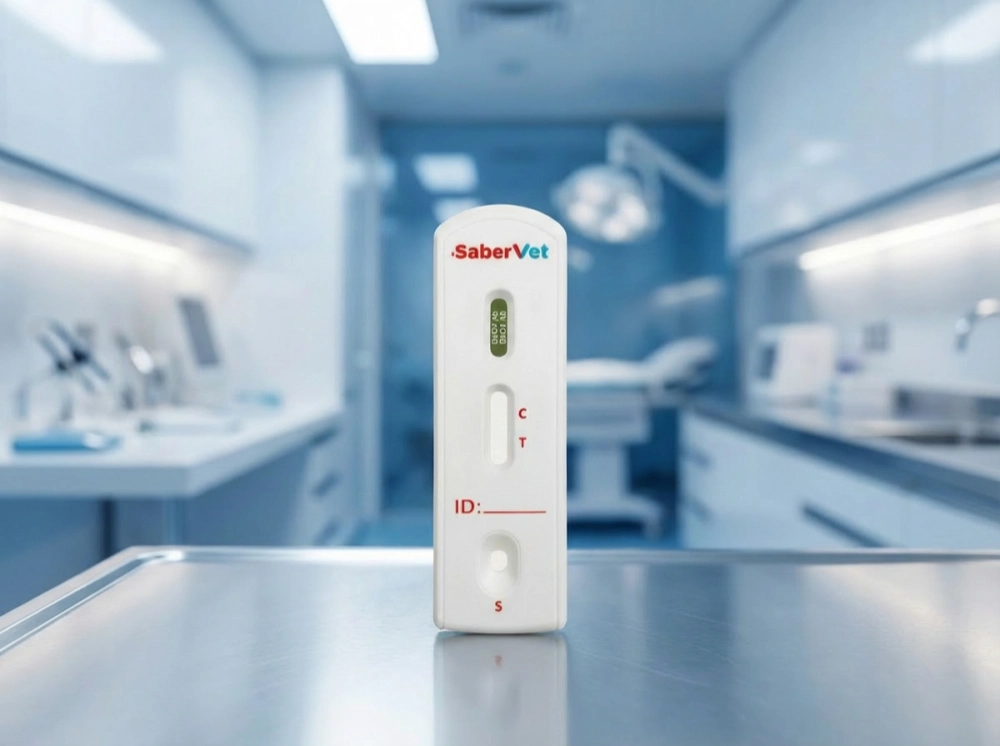
After you collect the sample, you add it to the test card. You wait 5 to 10 minutes. You will see clear results that tell you if BVDV antibodies are present. You can store the test at room temperature, so you do not need a refrigerator. This makes it easy to use on the farm or in the field.
Accuracy and Reliability
You want results you can trust. SaberVet stands out with 99% sensitivity and 98.8% specificity. This means the test finds almost every true case and rarely gives a false result. You get answers fast, so you can act before the disease spreads.
SaberVet’s Bovine Viral Diarrhea Test Card meets high standards. It is made in a facility with CE, ISO 13485, and GMP certifications. You get a product that follows strict quality rules. The test also has a 24-month shelf life, so you can keep it on hand for routine checks or emergencies.
Tip: Always follow the instructions for collecting and handling samples. Good technique helps you get the most accurate results.
With the right test card, you protect your herd and keep your operation running smoothly.
Test Card Benefits for Herd Health
Early Detection
You can spot BVDV in your herd before it becomes a big problem. The Bovine Viral Diarrhea Test Card gives you results in minutes. This speed lets you act fast. Early detection means you can separate sick animals and protect the rest of your herd. Different testing methods help you find BVDV at different stages. The table below shows how each method works and what it means for your herd:
| Testing Method | Description | Implications for Outbreak Management |
|---|---|---|
| ELISA | Tests bulk milk; finds cows that always carry BVDV. | Early detection helps control outbreaks. |
| AGID | Shows if your herd had BVDV before. | Helps you know the risk of new outbreaks. |
| PCR | Tests blood from aborted calves. | Finds BVDV in cases of reproductive loss, guiding your next steps. |
When you use these tools, you can make better choices for your cattle.
Reducing Disease Spread
You stop BVDV from moving through your herd when you catch it early. Quick testing lets you find infected animals before they spread the virus. You can remove or treat these animals right away. This action lowers the risk for healthy cattle. You also protect young calves and pregnant cows, who are most at risk. Many farms see fewer sick animals and less loss when they use regular testing.
Note: Keeping new animals separate until you test them helps keep your herd safe.
Supporting Herd Management
You make smarter decisions when you have clear information. The Bovine Viral Diarrhea Test Card fits into your daily routine. You can test animals before moving them, selling them, or bringing new ones in. This habit keeps your herd strong and healthy. You also save money by avoiding big outbreaks. Good records from regular testing help you and your vet plan the best care for your cattle.
- Test before adding new animals
- Check cows before breeding
- Monitor the whole herd during outbreaks
You build a healthier, more productive herd with these steps.
Integrating Test Cards into Protocols
Routine Testing
You can make routine testing a key part of your herd health plan. Regular use of Bovine Viral Diarrhea Test Cards helps you catch problems early. When you test often, you improve the quality of your samples. This leads to more accurate results. You can act fast if you find BVDV in your herd. Early action means you protect your cattle and keep your farm running smoothly. Over time, routine testing supports better herd health and higher productivity. You also help stop the spread of disease by finding and managing sick animals quickly.
Vet Collaboration
Working with your veterinarian gives you the best results. Your vet can help you set up a testing schedule that fits your herd. They know how to collect samples and read results. You can ask your vet for advice if you get a positive test. Together, you can decide what steps to take next. Your vet may suggest testing new animals before they join your herd. This teamwork keeps your cattle safe and healthy.
Practical Tips
You can make testing easy and effective by following a few simple tips:
- Store test cards at room temperature. SaberVet test cards last up to 24 months, so you can keep them on hand.
- Keep good records of your test results. This helps you and your vet track herd health over time.
- Order test cards in bulk to save money and ensure you always have enough on hand.
- Use trusted sources for your supplies. Resources for ordering Bovine Viral Diarrhea Test Cards are available from reputable distributors.
- Follow a clear plan for managing BVDV. Many companies offer step-by-step guides, such as screening herds, removing persistently infected animals, and testing new introductions.
Tip: Good planning and teamwork help you protect your herd and get the most from your testing program.
You can protect your cattle and improve your farm’s success with the Bovine Viral Diarrhea Test Card. SaberVet gives you fast, accurate results, so you can act early and stop disease from spreading. Early detection helps you keep your herd healthy and productive. Make this test card part of your regular health checks. Always choose certified products and work with your veterinarian for the best results.
FAQ
How fast can you get results with the Bovine Viral Diarrhea Test Card?
You can see results in just 5 to 10 minutes. This quick turnaround helps you make fast decisions to protect your herd.
Do you need special training to use the test card?
You do not need special training. The test card comes with clear instructions. You can use it easily on the farm or in the field.
How should you store the test cards?
Store the test cards at room temperature. You do not need a refrigerator. The cards stay good for up to 24 months.
Can you use the test card for routine herd checks?
Yes, you can use the test card for regular herd health checks. Routine testing helps you find problems early and keep your cattle healthy.
If you are looking for high-sensitivity test strips, you can find our all Sabervet® diagnostics products here. For those seeking integrated diagnostic systems or partnership opportunities, please explore our Sabervet® diagnostic solutions online store here.
See Also
Effective Ways to Identify Canine Distemper Using Quick Tests