
Many dog owners fear the possibility of transmitting parvovirus to humans, imagining a widespread health threat.
Canine parvovirus is highly contagious among dogs but poses no risk to humans due to species-specific infection. Unlike canine parvovirus, the human epidemic is caused by parvovirus B19.
Can canine parvovirus be transmitted to humans?
Dog owners often worry about contracting parvovirus from their beloved pets.
Canine parvovirus cannot be transmitted to humans. The virus is species-specific, affecting only dogs. Humans cannot be infected by canine parvovirus.

While canine parvovirus is species-specific, understanding how viruses interact across different species is crucial. Humans and dogs have different immune systems, which prevents the crossover of canine parvovirus to humans. It’s essential for pet owners to vaccinate their dogs to stop its spread among them. Proper hygiene and vaccination remain vital in keeping your furry friends healthy. You can learn how to test for parvovirus from a Dog Diagnostic Device Manufacturer.
What is the difference between canine parvovirus and human parvovirus B19?
Confusion often arises between canine parvovirus and human parvovirus B19.
Canine parvovirus infects dogs and poses no risk to humans. Human parvovirus B19 does not affect dogs but causes Fifth Disease in humans.

Addressing the significant differences between these unrelated viruses is key. Their genetic material doesn’t allow for infection crossover. Each virus has adapted to target its specific host species, exhibiting different symptoms and transmission patterns. For humans, parvovirus B19 manifests as a rash-like illness primarily affecting children, whereas the canine strain is characterized by severe gastrointestinal distress in dogs.
Why doesn’t canine parvovirus qualify as a zoonotic disease?
Concerns about zoonotic diseases heighten awareness among pet owners.
Canine parvovirus is not a zoonotic disease because it cannot cross species; dogs and humans have distinct viral targets.

Analyzing the nature of zoonotic diseases reveals that their transmission requires specific conditions, mainly involving common pathogens able to adapt between species. The key distinction with canine parvovirus is its limited host range. These boundaries create a natural safeguard against cultures mixing. Awareness and public education focusing on this aspect of viral specificity should be resolved in reducing undue stress.
What preventive measures should dog owners take against canine parvovirus?
Worry persists among dog owners about preventing canine parvovirus.
Prevention involves completing vaccinations, maintaining hygiene, and avoiding areas with known outbreaks.
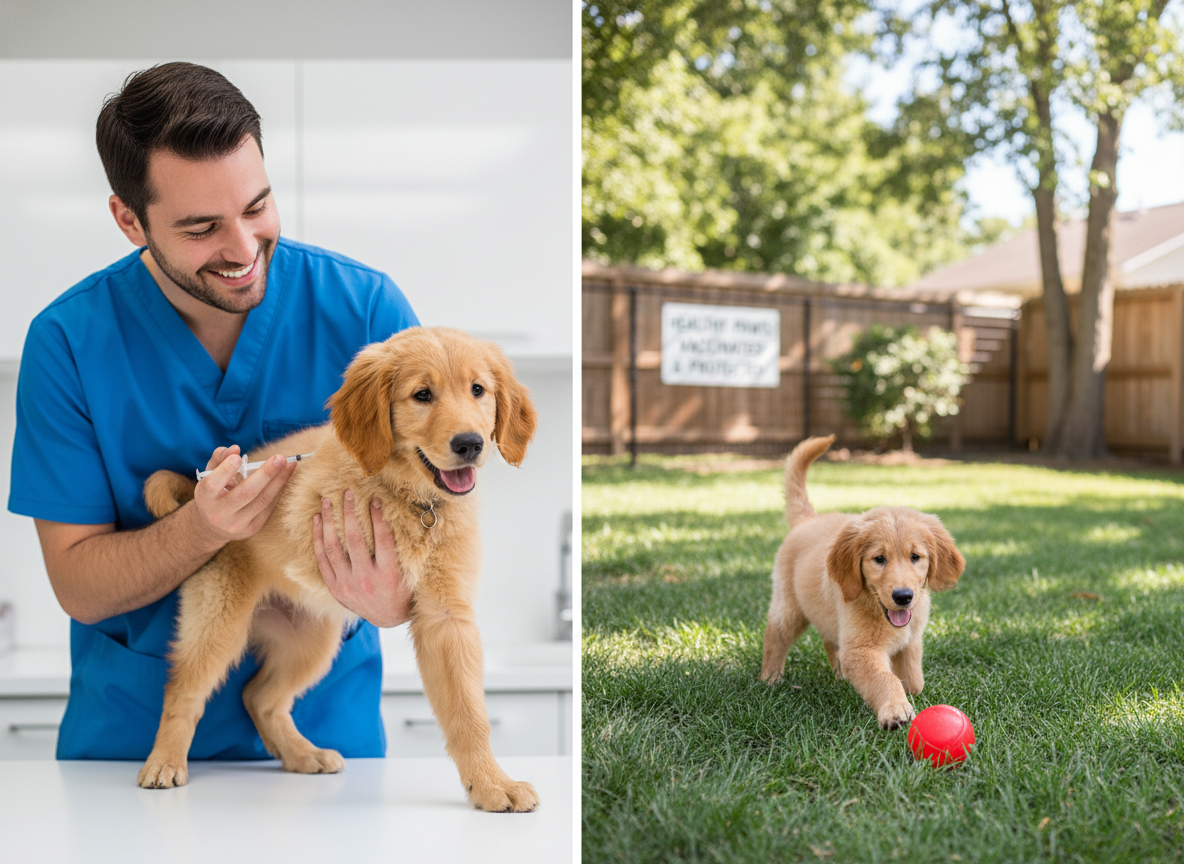
Dive into essential prevention strategies to maintain canine health. Vaccines are the cornerstone of defense against canine parvovirus, a protocol to follow at every stage, including puppies’ initial series and booster shots for adult dogs. Additionally, pet owners should prioritize cleanliness within their homes and outside environments, helping mitigate the spread. Adopting these proactive measures will spare owners heartache and maintain their pet’s wellbeing. For more information on dog diagnostic options, consult your veterinarian.
Conclusion
Canine parvovirus poses no risk to humans, best tackled with vaccines and hygiene measures to ensure pet health.
References
- American Veterinary Medical Association: Canine Parvovirus
- Centers for Disease Control and Prevention: Parvovirus B19 and Fifth Disease
- Cornell University, Baker Institute for Animal Health: Canine Parvovirus