What to Feed a Dog with Parvo?
Feeding a dog with parvo can be challenging due to symptoms like vomiting and diarrhea. If you suspect your dog is infected, a canine parvo test kit can help with early diagnosis. Ensuring energy and electrolyte balance is vital for recovery.
Proper nutrition is crucial for dogs with parvo to maintain energy levels and support recovery. A recommended diet includes easily digestible, low-fat foods that minimize gastrointestinal stress.
Why is Diet Management Important for Dogs with Parvo?
Managing a dog’s diet during parvo recovery is crucial to alleviate symptoms and aid recovery. Proper nutrition helps in maintaining energy and reducing gastrointestinal stress.
Diet management during parvo recovery is essential to support energy levels and minimize gastrointestinal stress. A gentle diet can help manage symptoms and assist recovery.

It’s crucial to understand the importance diet plays in recovery. A balanced diet supports healing and prevents complications. As dogs with parvo struggle with vomiting and diarrhea, they lose vital nutrients and energy. Therefore, incorporating a gentle and balanced diet ensures a steady supply of nutrients while minimizing stress on their recovering system. Our aim is to provide foods that are soothing to a dog’s delicate gut and loaded with essential nourishment.
What Foods are Suitable for Dogs Recovering from Parvo?
Choosing the right foods is vital for a dog recovering from parvo as it affects their energy and healing process. Bland foods like chicken and rice are often recommended.
Suitable foods for a recovering dog include easily digestible options like boiled chicken, rice, or vet-approved commercial diets, which provide nutrients without straining their system.
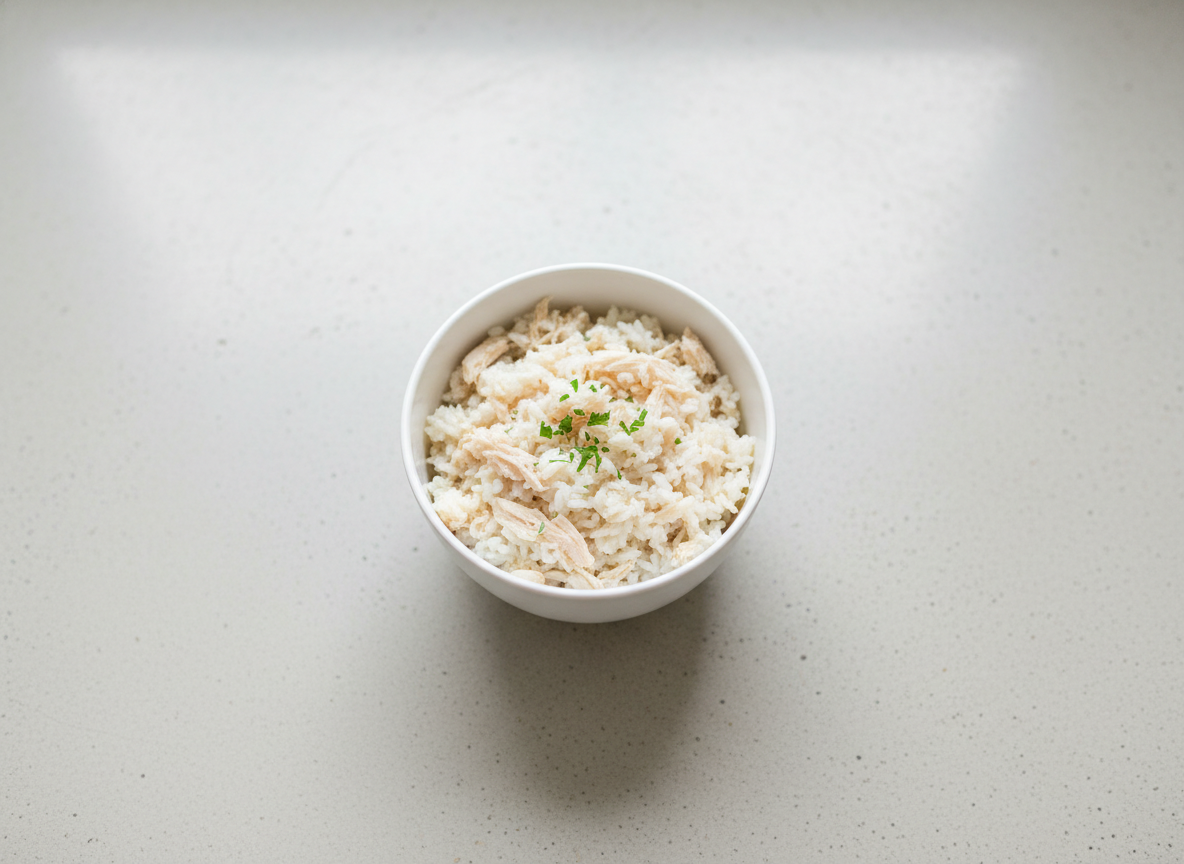
For a successful recovery, choosing suitable foods is essential. Bland yet nutritious foods like boiled chicken and rice ensure easy digestion while providing necessary nutrients. Vet-approved commercial foods can also serve well. They are designed to cater to sensitive stomachs, offering energy and nutrition without overburdening the gastrointestinal tract. Gradual introduction and monitoring will secure a supportive diet during recovery, facilitating a smoother transition toward wellness.
How Should a Dog’s Normal Diet be Reintroduced After Parvo?
Reintroducing a normal diet post-parvo recovery requires careful steps. Gradually mixing bland food with a regular diet helps in making a smooth transition.
To ensure a smooth transition after recovery, gradually mix their bland recovery diet with their normal food. This helps the dog’s gastrointestinal system adapt without shock.

Ease into dietary changes post-recovery with a careful plan. Initially, introduce small quantities of their regular food alongside the bland diet. Over time, increase the proportion of regular food. This allows the dog’s digestion to adapt gradually, reducing the risk of relapse or complications. This phase demands vigilance, observing changes in the dog’s health and behavior, and adjusting the diet as necessary for optimal recovery. Your vet may use various dog diagnostics to monitor progress.
What Common Feeding Mistakes Should be Avoided During Parvo Recovery?
Mistakes in feeding can slow down parvo recovery, emphasizing the need for careful diet selection. Avoid fatty, spicy, or rich foods to protect the delicate gut.
Avoid feeding mistakes like offering fatty or spicy foods. These can worsen symptoms and hinder recovery, emphasizing the necessity for a bland, vet-guided diet plan.
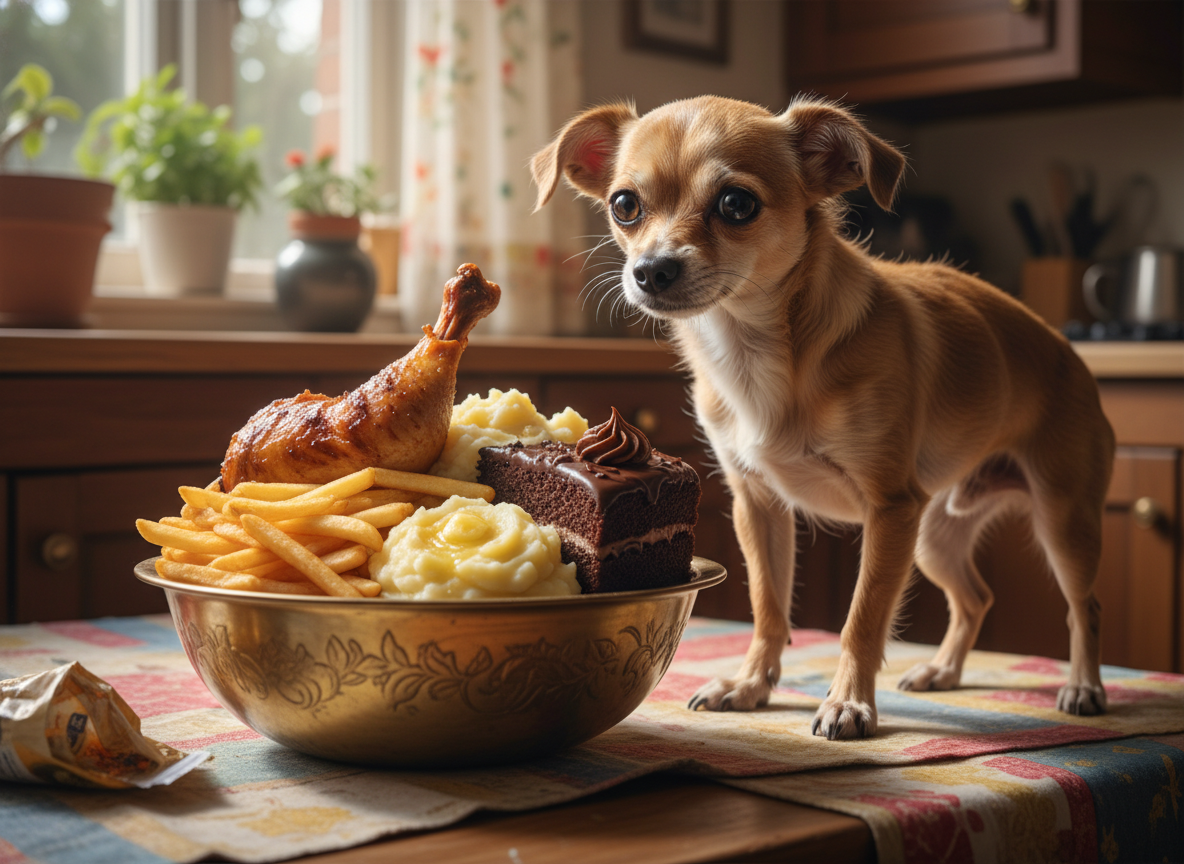
During parvo recovery, feeding mistakes can significantly hinder progress. Avoid offering rich or human foods as they can stress the sensitive gastrointestinal tract, exacerbating symptoms. Controlled portion sizes and bland food are ideal. Monitor reactions to dietary changes and consult veterinarians as necessary to ensure the diet supports recovery. Focus on maintaining hydration and a balanced nutrient intake.
Conclusion
Proper nutrition is crucial for dogs with parvo, focusing on support through diet management and avoiding common mistakes for effective recovery. As a leading Dog Diagnostics System Manufacturer, we understand that combining proper diet with careful monitoring is the key to effective recovery.
References
- Cornell University College of Veterinary Medicine – Canine Parvovirus
- American Veterinary Medical Association – Canine Parvovirus
- UC Davis School of Veterinary Medicine – Canine Parvovirus
- University of Florida College of Veterinary Medicine – Parvoviruses