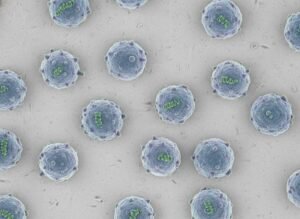
Understanding the Genetic Blueprint of H5 and H7 Avian Influenza Viruses
The genetic makeup of H5 and H7 avian influenza viruses tells us more than just a string of nucleotides — it reveals how these viruses adapt, spread, and sometimes jump from birds to humans. For decades, researchers around the world have been sequencing these subtypes to stay ahead of potential pandemics. The hemagglutinin (HA) gene, in particular, is a focal point because it determines which species the virus can infect and how severe the resulting illness might be.
According to data compiled by the World Health Organization (WHO), genetic surveillance of avian influenza has expanded dramatically since 2020, with over 200,000 sequences deposited in public databases like GISAID. This wealth of information allows scientists to track mutations in near real-time, identify emerging threats, and inform vaccine design. For poultry farmers and veterinarians, understanding these genetic changes is not just academic — it directly impacts biosecurity decisions and diagnostic strategies.
The HA and neuraminidase (NA) surface proteins are the two defining markers of any influenza A subtype. In H5 and H7 viruses, specific amino acid residues at the HA cleavage site are strong indicators of pathogenicity. Highly pathogenic strains typically contain multiple basic amino acids at this site, enabling systemic infection in birds. The World Organisation for Animal Health (WOAH) recommends that countries maintain active genetic monitoring programs to detect these molecular markers early.
Table of Contents
- Why Does the Genetic Sequence of H5 and H7 Matter?
- How Do H5 and H7 Viruses Acquire Mutations That Increase Pathogenicity?
- What Role Do Reassortment Events Play in Shaping H5 and H7 Lineages?
- How Is Genetic Sequencing Used in Avian Influenza Surveillance?
- Frequently Asked Questions
Why Does the Genetic Sequence of H5 and H7 Matter?
Think of viral genetics as the instruction manual for a potential outbreak. The sequence tells us which receptor the virus prefers, whether it can evade existing immunity, and whether it has the molecular machinery to replicate efficiently in new hosts. For H5 and H7 — the two subtypes most associated with highly pathogenic avian influenza (HPAI) — even small genetic changes can have outsized consequences.
Research published in PubMed has shown that single-point mutations in the HA gene can shift a low-pathogenic virus into a highly pathogenic one. For instance, the insertion of basic amino acids at the HA0 cleavage site has been documented in multiple H7 outbreaks across Europe and Asia. This is why tools like the Sabervet AIV H7 rapid test are so important — they allow on-site detection before genetic confirmation arrives from the lab.
From a practical standpoint, genetic data also guides which poultry vaccines are most likely to be effective. As viruses drift antigenically, vaccines need periodic updates. Countries with robust sequencing infrastructure, such as China and the United States, are better positioned to make these adjustments quickly.
How Do H5 and H7 Viruses Acquire Mutations That Increase Pathogenicity?
Have you ever wondered why some bird flu strains barely cause symptoms while others wipe out entire flocks? The answer lies in the genetic code. Influenza viruses replicate with relatively low fidelity, meaning they generate errors (mutations) during each replication cycle. Most of these mutations are harmless, but occasionally one hits a critical functional region.
For H5 and H7 viruses, the HA cleavage site is one such critical region. In low-pathogenic strains, the HA protein can only be cleaved by trypsin-like proteases found in the respiratory and intestinal tracts. But when mutations introduce multiple basic amino acids, broader-spectrum proteases throughout the body can activate the virus — leading to systemic infection and high mortality. The CDC notes that this transition has been observed repeatedly in both H5 and H7 lineages over the past two decades.
The table below compares the genetic characteristics of low-pathogenic versus highly pathogenic H5 and H7 strains:
| Feature | Low-Pathogenic H5/H7 | Highly Pathogenic H5/H7 |
|---|---|---|
| HA Cleavage Site | Monobasic (single arginine) | Polybasic (multiple basic residues) |
| Tissue Tropism | Respiratory and intestinal | Systemic (multiple organs) |
| Mortality in Poultry | Usually below 5% | Can exceed 90% |
| Public Health Concern | Low to moderate | High (zoonotic potential) |
| Typical Detection Method | Antigen rapid test, PCR | PCR + sequencing confirmation |
This table illustrates why early detection tools matter. A Sabervet veterinary diagnostics rapid test can flag a suspected infection in minutes, buying critical time for laboratory sequencing and control measures.
What Role Do Reassortment Events Play in Shaping H5 and H7 Lineages?
Could mixing and matching gene segments between different influenza viruses create something entirely new? Absolutely. Reassortment occurs when two different influenza viruses infect the same cell and swap gene segments. For H5 and H7 viruses, reassortment with other avian influenza subtypes (like H9N2) has produced novel variants with unpredictable properties.
The H5N1 viruses currently circulating globally largely belong to clade 2.3.4.4b, which emerged through a series of reassortment events involving multiple gene donors. Similarly, H7N9 — which caused hundreds of human infections in China between 2013 and 2017 — acquired its internal genes from H9N2 viruses prevalent in poultry. The WHO maintains that monitoring reassortment patterns is one of the most important aspects of pandemic preparedness.
For the poultry industry, reassortment means that even well-vaccinated flocks can face unexpected threats if a new gene constellation emerges. This is why rapid antigen detection remains a frontline defense — it detects the virus regardless of its genetic background. Tools like the Sabervet avian rapid test provide a first line of screening before detailed molecular analysis.
How Is Genetic Sequencing Used in Avian Influenza Surveillance?
Modern avian influenza surveillance depends on a layered approach. First, rapid antigen tests screen large numbers of samples in the field. Then, PCR confirms positive cases in regional labs. Finally, whole-genome sequencing provides the detailed genetic information needed for lineage tracking, mutation analysis, and vaccine matching.
This tiered system is particularly important for antigenne.com partners working in poultry health across different regions. When a rapid test flags a potential H5 or H7 case, the sample can be forwarded for sequencing, and the resulting data feeds into national and international databases. The WOAH recommends that all member countries participate in this data-sharing network.
According to recent reports, next-generation sequencing (NGS) has reduced the cost and turnaround time for influenza sequencing significantly. What once took weeks can now be completed in days, enabling faster public health responses. Combined with portable sequencing devices, field teams can even generate preliminary genetic data on-site during outbreak investigations.
Frequently Asked Questions
Q: Can genetic sequencing predict the next avian influenza pandemic?
Not with certainty, but sequencing helps identify high-risk mutations early. By monitoring HA receptor-binding changes and internal gene constellations, researchers can flag viruses with increased zoonotic potential before widespread transmission occurs.
Q: How quickly do H5 and H7 viruses mutate?
Influenza A viruses accumulate mutations at a rate of roughly one nucleotide change per replication cycle. Over the course of an outbreak spanning months, this can translate into dozens of amino acid changes — enough to alter antigenicity, pathogenicity, or drug susceptibility.
Q: Is genetic sequencing available for routine farm-level diagnostics?
Currently, sequencing is primarily used at reference laboratories and research institutions. However, rapid antigen tests like the Sabervet AIV H7 rapid test bridge the gap by providing affordable, on-site screening that guides which samples get sequenced.
Q: What is the difference between H5 and H7 in terms of genetic diversity?
Both subtypes show considerable genetic diversity, but H5 viruses (particularly clade 2.3.4.4b) have shown more aggressive global spread in recent years. H7 viruses tend to have more localized lineage dynamics, though H7N9 represented a notable exception.
Conclusion
The genetic sequences of H5 and H7 avian influenza viruses are more than just data — they are the foundation of modern disease surveillance, vaccine design, and outbreak response. As these viruses continue to evolve, maintaining robust sequencing networks and integrating rapid diagnostic tools into surveillance workflows will be essential. The partnership between genetic science and practical field diagnostics is what ultimately protects both animal and human health.
Reliable Detection Solutions for Avian Influenza
Whether you manage a commercial poultry operation or a veterinary diagnostic laboratory, having access to fast and accurate detection tools is non-negotiable. Sabervet offers a range of rapid antigen tests for avian influenza, including the AIV H7 rapid test kit designed for on-site screening. For comprehensive veterinary diagnostic solutions, visit antigenne.com to explore products backed by ISO-certified manufacturing and a commitment to animal health.