
What are the last stages of parvo before it kills your puppy?
Parvovirus can be a pet owner’s nightmare, especially for young puppies. As this highly contagious disease progresses, it becomes increasingly lethal and can rapidly lead to multi-organ failure and death if not addressed immediately. Understanding the final stages of parvovirus is crucial for prevention and early intervention.
During the last stages of parvovirus, a puppy will suffer from incessant vomiting, diarrhea that often turns bloody, and severe dehydration. These symptoms result in a significant drop in energy levels and can lead to coma and sudden organ failure. Immediate veterinary care is essential at this point to increase the chances of survival.
What are the typical symptoms in the final stages of parvovirus?
As parvovirus progresses, its impact on your puppy becomes unmistakably dire. Understanding these symptoms can be crucial in seeking timely medical attention.
The final stages of parvovirus are often characterized by frequent, relentless vomiting and diarrhea, usually accompanied by extreme lethargy and loss of appetite. Heartbreakingly, puppies suffer from severe dehydration, resulting in sunken eyes and dry gums. Recognizing these signs early can make a pivotal difference in your puppy’s prognosis.

When your puppy reaches these critical symptoms, immediate action is crucial. Time is of the essence, and acting swiftly might just save your puppy’s life.
These symptoms are not just matters of discomfort; they are signals pointing to the crucial need for urgent Veterinary Lab Diagnosis and assistance. The sooner a puppy is seen by a vet and confirmed with parvo testing, the better the odds of recovery, emphasizing the importance of early diagnosis.
Why does parvovirus cause organ failure in its final stage?
Witnessing your puppy fall more ill is torturous for any pet owner. Understanding why parvovirus leads to organ failure can be essential for timely intervention.
Parvovirus impacts a puppy’s gastrointestinal tract and immune system, eventually causing systemic damage leading to organ failure. The virus attacks cells lining the intestines and affects bone marrow, resulting in a compromised immune system. In this vulnerable state, bacterial infections take hold, and the puppy can suffer multi-organ collapse.

Once an organ starts failing, others are likely to follow. Catching these signs early matters, as rapid intervention might still prevent further systemic damage. Act immediately when weaknesses, jaundice, or abnormal heart rates appear.
Understanding these mechanisms highlights why timely intervention is critical. When the infection is too advanced, restoring normal organ function can become incredibly challenging, reinforcing vaccination’s importance to prevent such outcomes.
How can owners identify if a puppy has entered the critical stage?
Spotting the critical moment when your puppy shifts to the final stages can be lifesaving. Stay vigilant to these indicators for immediate response.
When a puppy enters the critical stage of parvovirus, common indicators include drastic changes in demeanor such as lethargy and withdrawal, significant changes in gum color—often pale or gray—and a notable drop in body temperature. Observing these symptoms warrants an emergency trip to the veterinarian without delay.

Identifying these signs requires a keen eye and an understanding of normal puppy physiology. Always monitor their energy and physical cues closely, knowing what’s usual for them.
Recognition and proactive decision-making during this critical phase can save lives. Your presence and understanding may inspire hope during a difficult time, encouraging early and effective medical intervention.
What measures can help prevent the disease from reaching a fatal stage?
Knowing preventative measures can make the difference between life and death. It’s imperative to act before it’s too late.
Vaccination remains the most effective measure against parvovirus. In addition, ensuring proper hygiene, limiting exposure to unvaccinated dogs, and maintaining a healthy diet enhance a puppy’s resilience. These proactive measures from your vet, who is hopefully supplied by a good Veterinary Lab Diagnosis Supply Company, guard against the virus reaching a fatal stage.
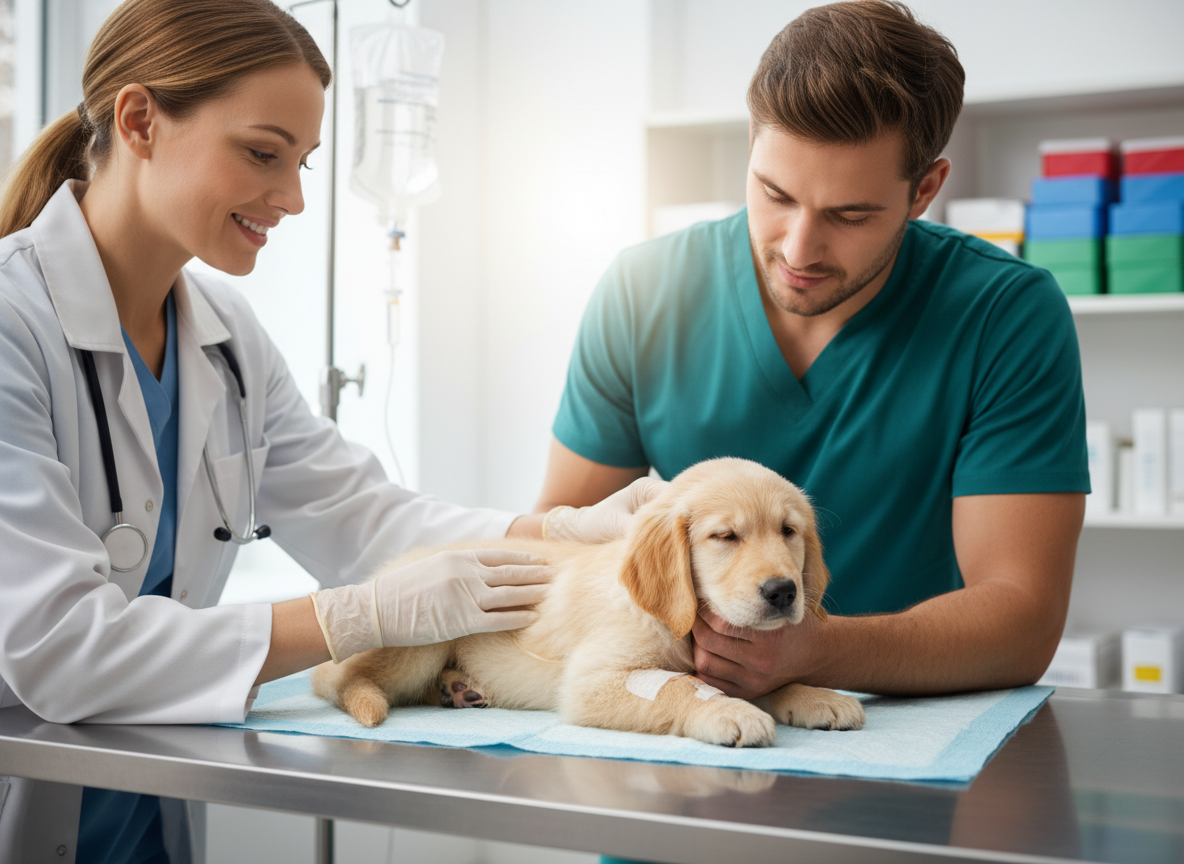
Preventative care isn’t just about treatments; it’s proactive love. Keep a close connection with your vet and follow vaccination schedules strictly to shield your puppy.
Prevention lays the groundwork for security and health, but also ensures your pet enjoys a fulfilling, happy life. In doing so, you’re securing an encouraging future for your beloved companion.
Conclusion
Understanding parvovirus’s final stages is crucial to act quickly. With proper care and attention, many tragedies can be prevented, ensuring your beloved pet’s healthy future.
References
- Cornell University Baker Institute for Animal Health – Canine Parvovirus
- UC Davis Veterinary Medicine – Canine Parvovirus
- American Veterinary Medical Association (AVMA) – Canine Parvovirus