
Avian influenza virus is a serious danger to poultry everywhere, as outbreaks of this avian virus have occurred in Brazil, Austria, Germany, England, and Belgium. Farmers lose birds and egg prices go up. You can keep your flock safe by watching closely and spotting symptoms early. Use tools like the AIV Ag test to help detect avian influenza virus quickly. Acting fast and taking steps to prevent the spread of the avian virus is important. Regular checks with the AIV Ag test and strong biosecurity measures make your flock safer. Stay updated and respond promptly to protect your birds.
Key Takeaways
- Check your flock every day for signs like swollen heads and fewer eggs. Finding problems early helps stop outbreaks.
- Use strong biosecurity steps. Limit who can enter your farm, clean tools, and keep wild birds away to keep your flock safe.
- Use fast tests like the AIV Ag test to check for avian influenza. Quick results let you act before the virus spreads.
- Keep up with news about local outbreaks and risk changes. Check trusted sources often to keep your flock safe.
- Tell local authorities right away if you see sick birds. Fast reporting helps stop outbreaks and keeps your community safe.
Assessing avian virus risk
Key risk factors
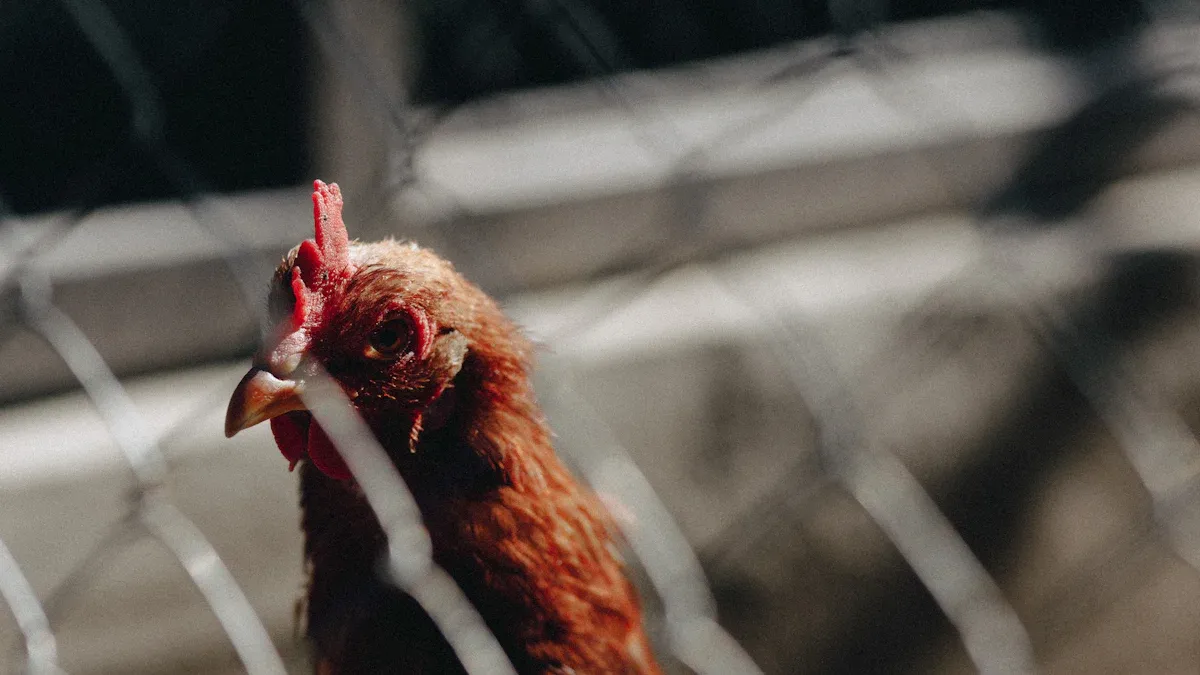
It is important to know what makes your flock unsafe. Wild birds, like geese and waterfowl, often have the avian influenza virus. When these birds travel, they can bring the virus to new places. The Louisiana Department of Wildlife and Fisheries saw more outbreaks during fall migration. More birds moved sooner and mixed with farm flocks. This made the risk higher for all flocks.
Here is a simple look at how migration changes outbreaks:
| Evidence Description | Details |
|---|---|
| Migration Impact | Migratory birds started moving earlier and more types of birds traveled, so they met domestic poultry more often. |
| Outbreak Locations | Outbreaks happened in Germany, Spain, Belgium, France, the UK, and Slovakia. |
| Virus Strain | The H5N1 clade is very dangerous and can make both wild and farm birds sick. |
The H5N1 strain spreads fast and can make poultry very sick. You should watch for new wild bird activity near your farm.
Local outbreak updates
You can keep up with news by checking official websites. Many countries have special tools and sites to report and track cases. For example:
- DAERA’s Dead Wild Bird Online Reporting Tool lets you report dead waterfowl or groups of dead birds.
- The UK uses the Avian Influenza Prevention Zone to warn flock owners.
- Suspected cases must be told to the APHA right away.
Tip: Always tell your local animal health authority if you see sick or dead birds. This helps stop the avian influenza virus from spreading.
Flock vulnerability
Some flocks are at more risk than others. Birds that live outside or near water can attract wild birds. Farms close to wetlands or bird travel paths need extra care. You should check your flock often and use strong biosecurity steps. Look for signs like swollen heads, blue necks, or sudden deaths. These can mean the avian influenza virus is there. Acting quickly keeps your birds and your community safe.
Early warning signs of avian influenza virus
Common symptoms
You need to know the signs of illness in your flock. Birds with avian influenza virus often show clear symptoms. Watch for these changes:
- Swollen heads
- Blue color on the neck or throat
- Trouble breathing
- Diarrhea
- Sudden drop in egg production
- Loss of appetite
These symptoms can appear quickly. You may see more than one sign at the same time. If you notice these changes, act fast to protect your flock.
Behavioral changes
Sick birds do not act the same as healthy birds. You might see them move less or stand apart from the group. Look for these changes:
- Birds stop eating or drinking
- They seem tired or weak
- Some birds lose balance or cannot walk straight
- Egg production drops suddenly
These changes can happen fast. Sometimes, you will see them before other symptoms. Check your flock every day so you can spot problems early.
Tip: Keep a daily log of your flock’s behavior and health. This helps you notice small changes right away.
When to seek help
You should contact a veterinarian or animal health authority if you see any warning signs. Report suspected cases right away to the Animal and Plant Health Agency (APHA) or your local authority. Early action can stop the spread of disease. Veterinary guidelines say you should look for:
- Swollen heads
- Blue necks or throats
- Loss of appetite
- Diarrhea
- Breathing problems
- Fewer eggs
- More deaths than usual
Culling only happens if tests confirm the virus or if there is a high risk of spread. Quick reporting helps protect your birds and your community.
Prevention steps for avian influenza virus
Daily biosecurity
You can protect your flock by following strong biosecurity steps every day. These steps help stop germs from entering your farm. You should control who comes in and out. Only allow visitors who have not been to other poultry farms in the last 24 hours. Ask them to wear clean clothes and use disinfectant baths. Keep a record of all visitors. You should also wash your hands before and after handling birds. Set up hand washing units in your poultry houses. Clean and refill disinfectant foot baths every day.
Here is a table that shows the main biosecurity measures you should follow:
| Biosecurity Measure | Description |
|---|---|
| Control Access | Limit entries and exits. Only allow visitors who have not visited other poultry farms in the last 24 hours. |
| Sanitation | Wash hands often. Clean disinfectant foot baths daily. |
| Vehicle Control | Restrict vehicle traffic. Use disinfectant spray stations at entry and exit points. |
| Separation of Poultry | Do not mix poultry of different ages, species, or sources. |
| Employee Restrictions | Limit employee visits to other poultry farms. |
| Disposal of Dead Animals | Follow rules for safe disposal of dead birds. |
| Cleaning and Disinfection | Clean and disinfect poultry houses often. Spray walls and ceilings after emptying the house. |
Tip: You should teach all workers about these rules. Everyone must follow them every day.
Limiting exposure
You can lower the risk of disease by keeping your flock away from wild birds. Cover outdoor runs with netting to stop wild birds from landing. Remove food and water from outside areas so wild birds do not get attracted. Fix holes in roofs and walls to keep wild birds out. Do not let your birds mix with other flocks. If you buy new birds, keep them separate for at least two weeks before adding them to your flock.
You should also control vehicles and equipment. Clean and disinfect all tools before using them with your birds. Do not share equipment with other farms. Limit visits to other poultry farms. If you must visit, change clothes and shoes before returning to your flock.
Note: Wild birds can carry the avian influenza virus without looking sick. Keeping them away from your flock is very important.
Cleaning routines
You need to keep your poultry houses and equipment clean. Good cleaning routines help stop the spread of germs. Here are some steps you should follow:
- Change into clean clothes before entering poultry areas.
- Do not house different age groups or species together.
- Wash hands often and use special clothing for poultry work.
- Keep disinfectant foot baths clean and use them every time you enter.
- Clean and disinfect all equipment before and after use.
- Control pests and rodents. Keep the area around poultry houses clean.
- Do not visit other poultry farms unless needed.
- After you empty a poultry house, clean and disinfect it well. Spray walls and ceilings.
- Use a disinfectant that works well, is safe, and can reach into cracks.
You should make these steps part of your daily routine. Clean spaces and tools help keep your flock healthy. You can stop many diseases before they start.
Callout: A clean environment is your best defense against disease.
Detection and response with AIV Ag test
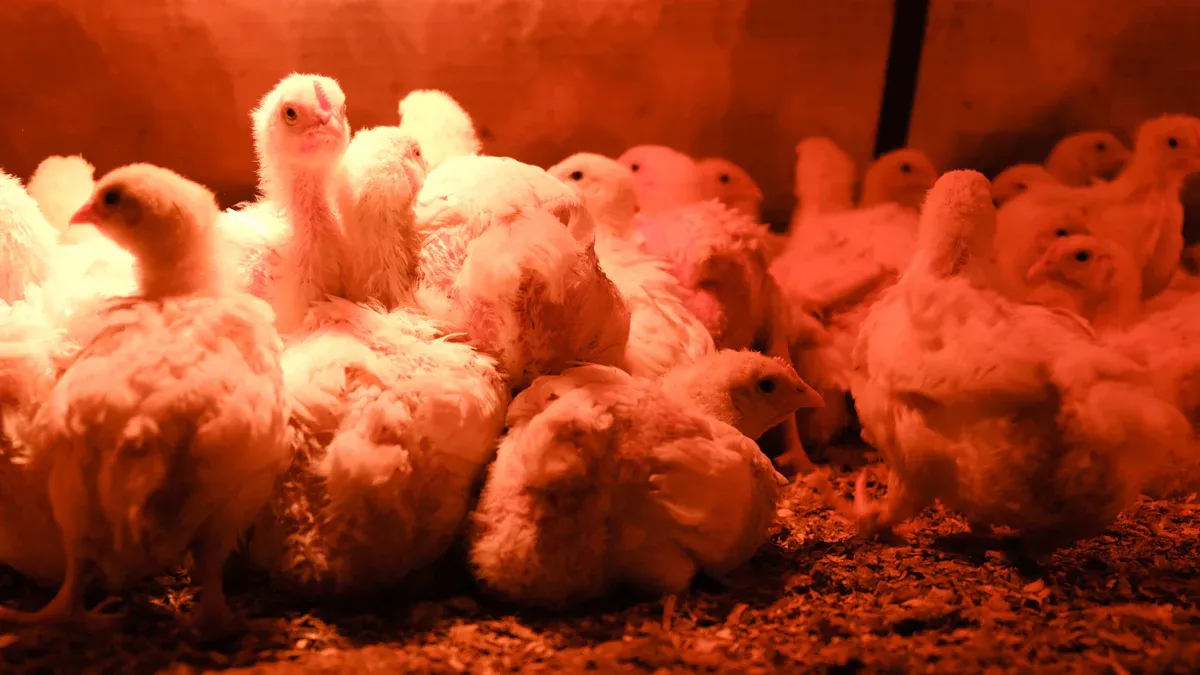
You need to detect avian influenza virus early to protect your flock. Rapid antigen tests, like the Sabervet Avian Influenza Virus Antigen Rapid Test (AIV Ag), help you find the virus before it spreads. These tests give you results in just 5 to 10 minutes. You can use them right on your farm. Early detection means you can act fast and stop the disease.
The Sabervet AIV Ag test checks for the virus in samples from your birds’ throat or cloaca. You do not need special lab equipment. The kit includes everything you need except a timer. You should always use gloves and follow the instructions closely.
Here is how you use the test:
- Collect a sample from the bird’s throat or cloaca with the swab.
- Place the swab in the buffer tube. Rotate it more than 10 times to mix well.
- Add 3 drops (about 90μl) of the mixture to the sample well marked “S” on the test device.
- Wait 5 to 10 minutes. Read the result right away. Do not read after 15 minutes.
You can see the results easily:
| Result Type | What You See on the Test | What It Means |
|---|---|---|
| Positive | Both C and T lines | Virus detected |
| Negative | Only C line | No virus detected |
| Invalid | No C line | Test did not work |
If you see any line at the T area, even if it is faint, the test is positive.
Tip: Always store the test kit in a cool, dry place. Do not freeze it. Use the test before the expiration date.
Immediate actions
If you get a positive result, you must act quickly. Separate the sick birds from the healthy ones. Clean and disinfect the area right away. Do not move birds, eggs, or equipment off your farm. Keep records of all actions you take.
You should not panic. A positive test means you need to confirm the result with a veterinarian. The vet may do more tests and check your flock’s health. Follow their advice closely.
If the test is negative but you still see signs of illness, keep watching your flock. Repeat the test if symptoms continue. Sometimes, early infection may not show up right away.
Callout: Fast action can stop the spread of avian influenza virus and protect other farms nearby.
Contacting authorities
You must report any suspected cases to your local animal health authority. Avian influenza is a notifiable disease. This means you have a legal duty to tell the authorities if you suspect it. Reporting helps stop outbreaks and keeps other flocks safe.
Here are the steps you should follow:
- Report any signs of disease to the Animal and Plant Health Agency (APHA) or your country’s animal health office right away.
- Keep your flock records up to date.
- Do not move birds or equipment until you get advice from the authorities.
- Only cull birds if the vet or authorities confirm the virus or say there is a high risk.
You should also keep your farm clean and control who comes in and out. Good hygiene and movement control help stop the virus from spreading.
Note: Quick reporting is the law and helps protect your birds, your neighbors, and your business.
Ongoing monitoring for avian virus
Staying informed
You must pay attention to keep your flock safe from avian influenza virus. New outbreaks can start at any moment. You should look at trusted places for news. These include your local animal health office, the Animal and Plant Health Agency (APHA), and government websites. Many countries put alerts and maps online. You can get email or text alerts. This helps you learn about problems quickly.
Tip: Set a reminder to check for news every week. Fast updates help you act before the virus spreads.
You can join local poultry groups too. These groups share news about outbreaks and good ideas. You can learn from other flock owners. You can ask questions and talk about your own flock.
Here is a simple table of trusted sources:
| Source | How It Helps |
|---|---|
| APHA website | Outbreak alerts |
| Local animal health office | Rules and advice |
| Poultry associations | Community support |
| Government agriculture sites | Maps and guidance |
Updating practices
You should look at your biosecurity steps often. New dangers can show up when seasons change. Wild bird migration, weather, and new neighbors can change your flock’s risk. You need to change your cleaning routines and visitor rules. You can use a checklist to keep track of daily, weekly, and monthly jobs.
- Check fences and netting for holes.
- Look at visitor logs and limit outside contact.
- Clean and disinfect equipment more during risky times.
- Teach workers about new rules and what symptoms to watch for.
Note: Small changes can help a lot. You keep your flock safer when you update your steps.
You should also write down any sick birds, test results, and what you do. Good records help you see patterns and act faster next time. Keep learning and stay interested. Your flock needs you.
You can keep your flock safe by following strong biosecurity steps, watching for symptoms, and using rapid tests. Stay alert and act quickly if you see warning signs. Keep learning and update your routines as new information comes out.
- Many poultry keepers feel stress when they lose birds.
- Some face money problems and worry about their future.
- Outbreaks can cause fear about food supply and public health.
Stay positive. Your actions protect your birds and your community.
FAQ
What is avian influenza virus?
Avian influenza virus is a type of flu that affects birds. You may hear it called “bird flu.” It spreads quickly among poultry and wild birds. Some strains can make birds very sick.
How can I protect my flock from avian influenza?
You should use strong biosecurity steps. Keep wild birds away. Clean your poultry area often. Use rapid tests like the Sabervet AIV Ag test to check for the virus. Act fast if you see symptoms.
What should I do if I see symptoms in my birds?
You need to separate sick birds right away. Clean and disinfect the area. Use a rapid test to check for the virus. Contact your veterinarian or local animal health authority for help.
How does the Sabervet AIV Ag test work?
You collect a sample from your bird’s throat or cloaca. Mix it in the buffer tube. Add drops to the test device. Wait 5 to 10 minutes. Read the result. The test shows if the virus is present.
Why is reporting avian influenza important?
Reporting helps stop the virus from spreading. You protect your flock and your neighbors. Authorities can give advice and support. Quick action keeps more birds safe.
If you are looking for high-sensitivity test strips, you can find our all Sabervet® diagnostics products here. For those seeking integrated diagnostic systems or partnership opportunities, please explore our Sabervet® diagnostic solutions online store here.