
How are chickens immune to avian influenza, such as H5N1?
Chickens face a significant threat from avian influenza, specifically H5N1, due to varying susceptibility and immune responses. Their vulnerability is primarily influenced by flock health management rather than natural immunity, making vaccination critical in reducing the risks of infection.
What factors determine chickens’ susceptibility to avian influenza like H5N1?
Chickens encounter threats from avian influenza, influenced by numerous factors. Susceptibility stems from genetic variations, environmental conditions, and overall bird health, which collectively impact infection risk and immune response capability.

Effective avian influenza management begins with understanding chicken susceptibility dynamics. Genetic factors, especially in certain breeds, might mitigate risks, but do not guarantee complete immunity. Environmental hygiene and proactive disease management become pivotal in reducing infection rates.
Dive deeper into susceptibility analysis requires evaluating genetic predispositions and environmental stressors. Maintaining flock health encompasses biosecurity measures, such as isolating new birds from existing flocks, ensuring clean living spaces, and monitoring for signs of illness. By fostering a robust environment and considering genetic factors, farms can substantially mitigate the risks presented by avian influenza like H5N1.
How does the natural immune system of chickens respond to avian influenza viruses?
Chickens possess innate immune mechanisms biologically adapted to combat viruses. Their immune system, characterized by varied cells and proteins, initiates defense mechanisms to counter influenza pathogens.
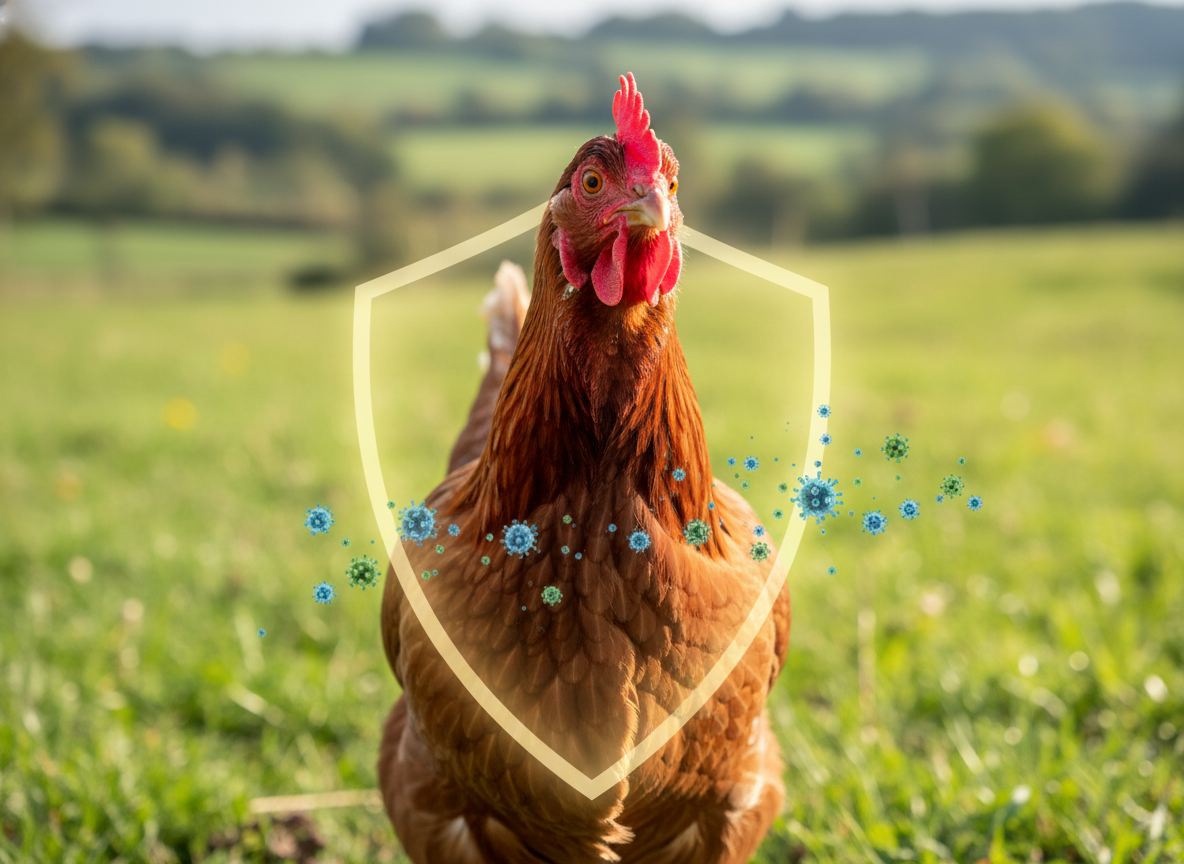
Chickens’ immune response begins with recognition of viral components, leading to a cascade of biological processes targeting the pathogen. White blood cells and antibodies are pivotal players, competing against the viral invasion and signaling other immune cells to aid in pathogen clearance.
Delving deeper into this system reveals the strategic functionality of innate and adaptive immunity. Innate responses are immediate but non-specific, acting as the first line of defense. In contrast, adaptive immunity tailors its response more precisely, often conferring long-term protection. Harnessing the potential of antibodies and lymphocytes might aid in developing more robust strategies against viral threats. Through scientific advancements, we can manipulate this understanding to better protect chickens against avian influenza infections.
How does vaccination help chickens build effective immunity against avian influenza?
Vaccination emerges as a vital tool in poultry health maintenance, aiding chickens in building robust immunity against avian influenza. Vaccines preemptively strengthen immune responses, lowering influenza infection risks significantly.
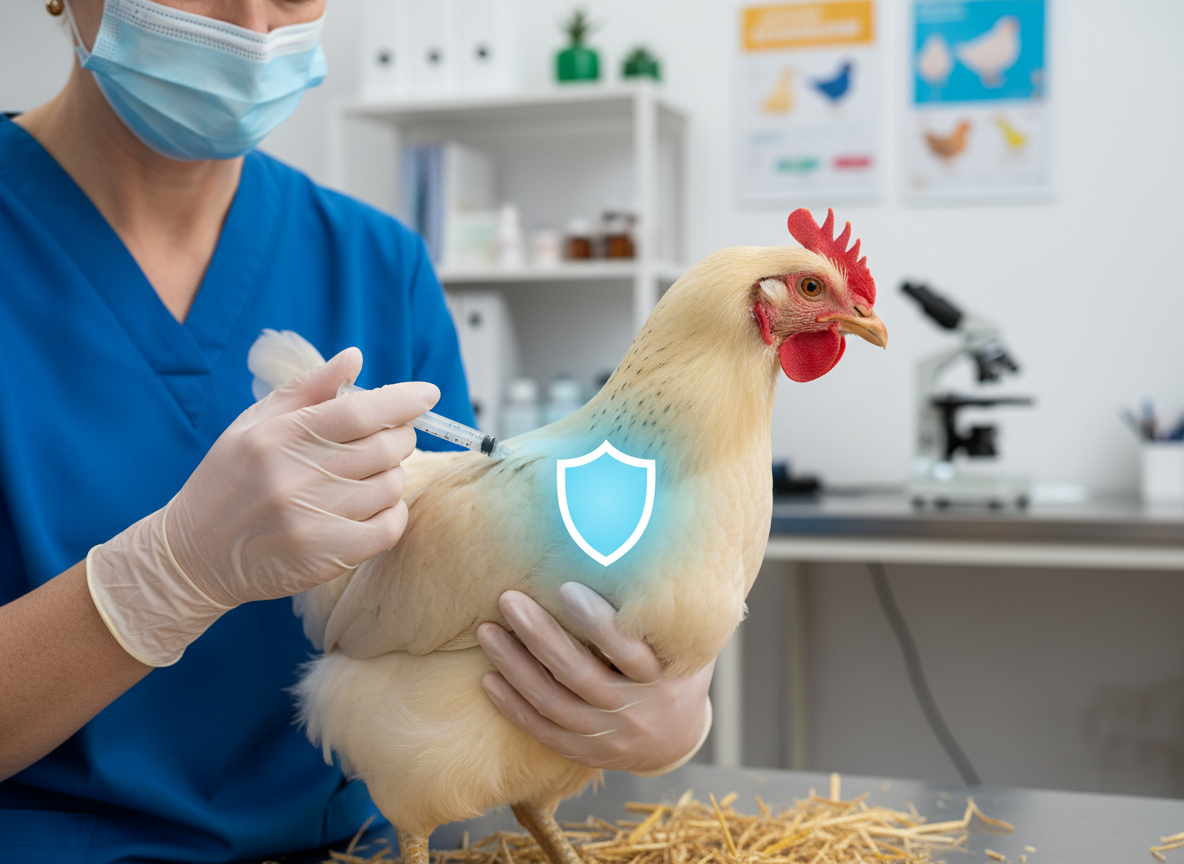
Vaccination primes chickens’ immune systems by exposing them to harmless virus components, preparing for actual threats. Once vaccinated, chickens show improved health outcomes through increased antibody production and faster immune activation against real infections.
To explore further, vaccination strategies include various methods like live attenuated, inactivated, or recombinant vaccines. Each has specific advantages depending on flock needs and risk exposure. Routine immunizations can minimize outbreak impact, creating a secure environment. Innovating vaccines that align with diverse avian influenza strains improves poultry farming efficacy, promoting avian health and minimizing disease spread.
What measures should farms take to reduce the risk of avian influenza transmission?
Effective management strategies are crucial in curbing avian influenza transmission within poultry farms. Implementing biosecurity measures often acts as the backbone in preventing viral outbreaks.

Reducing transmission risk starts with biosecurity protocols like controlling human movement, disinfecting equipment, and regulating vehicular access. Proactive monitoring and quarantine regions further solidify infection prevention. For accurate and rapid screening, a reliable H5 Avian Influenza Diagnosis tool is essential for early detection.
Delving deeper into farm protocols, spatial arrangement matters significantly, influencing disease dynamics. Enforcing strict separation of flocks and culling infected birds minimizes virus spread. Employing air filtration systems and maintaining optimal ventilation ensures healthful conditions. Decision-making based on real-time data, such as tracking symptoms and outbreak patterns with a general Poultry Test or a specific avian influenza test kit, can pinpoint vulnerabilities, fortifying response measures. Proper farm management fosters health, limiting avian influenza’s influence on chickens.
Conclusion
Chickens’ avian influenza immunity resides in strategic management and vaccination, not natural resistance. Understanding immune dynamics helps guide prevention strategies, leading to healthier, thriving flocks.