
Five Years of Escalation: Avian Influenza Activity From 2018 to 2022
If you were tracking avian influenza between 2018 and 2022, the trend was unmistakable: the virus was becoming more active, more widespread, and more dangerous. Outbreak reports surged across continents, new viral clades emerged with alarming regularity, and for the first time in years, multiple subtypes were co-circulating simultaneously in wild bird populations. The period from 2018 to 2022 represented a paradigm shift in how the global community understands and responds to avian influenza threats.
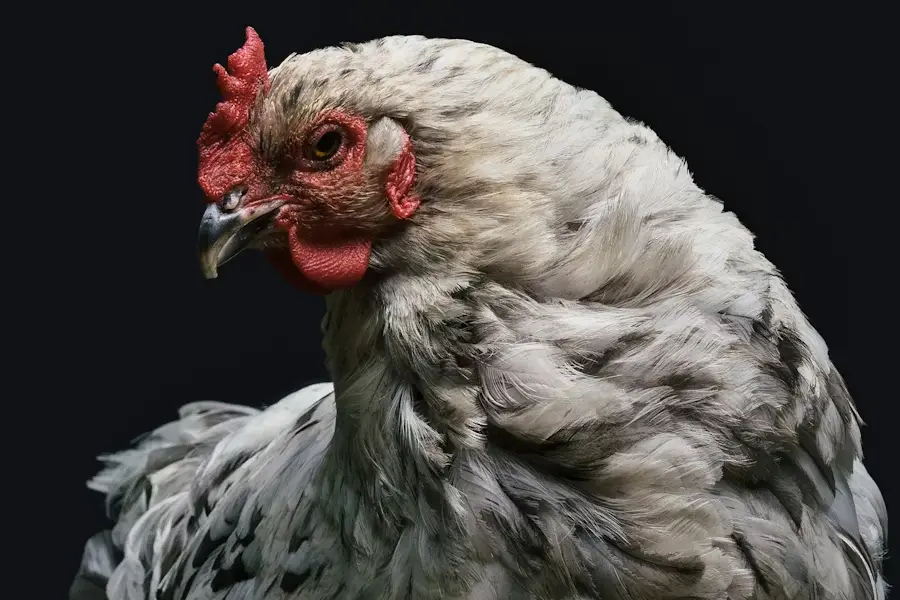
According to the World Organisation for Animal Health (WOAH), the number of HPAI outbreaks reported globally more than tripled between 2018 and 2022, with the H5N1 clade 2.3.4.4b responsible for the majority of cases after 2020. This clade demonstrated an unprecedented ability to infect wild birds across multiple continents, establish itself in new ecosystems, and spill over into mammals — including foxes, seals, and for the first time in documented history, cattle.
For the poultry industry, the economic toll was staggering. The FAO estimated that over 300 million poultry birds were culled or died due to HPAI during this period, with losses exceeding $20 billion globally. Understanding the scale and patterns of avian influenza activity during these five years is essential for improving future preparedness.
Table of Contents
- What Drove the Surge in Avian Influenza Activity After 2020?
- How Did Different Regions Experience the 2018–2022 Outbreak Wave?
- What Diagnostic Lessons Emerged From This Period?
- Frequently Asked Questions
What Drove the Surge in Avian Influenza Activity After 2020?
The dramatic increase in avian influenza activity after 2020 was driven by a convergence of factors that created near-perfect conditions for viral spread and evolution:
Viral evolution — The H5N1 clade 2.3.4.4b, which first appeared in East Asia around 2016, had by 2020 accumulated mutations that enhanced its ability to infect wild birds without causing severe disease. This allowed the virus to spread silently through migratory bird populations, reaching areas that had been free of HPAI for years or even decades. According to PubMed-indexed genomic studies, this clade underwent at least 30 significant amino acid changes between 2018 and 2022.
Migratory bird dynamics — Climate change altered migration timing and routes, exposing new regions and bird populations to the virus. The interconnected flyway systems of the Northern Hemisphere facilitated rapid longitudinal and latitudinal spread.
Poultry density — High-density poultry farming in regions like Southeast Asia, Europe, and the Americas created abundant susceptible hosts. When HPAI spills over from wild birds into commercial operations, the high bird density accelerates viral replication and mutation.
The combination of these factors meant that the 2018–2022 period was not just a series of independent outbreaks — it was a sustained, evolving pandemic in birds that continues to this day.
The table below summarizes the key milestones of avian influenza activity during 2018–2022:
| Year | Key Development | Primary Subtype |
|---|---|---|
| 2018 | H7N9 fifth wave in China; new HPAI H7 variants emerge | H7N9, H5N6 |
| 2019 | HPAI H5N6 spreads across Asia; continued H7N9 circulation | H5N6, H7N9 |
| 2020 | Clade 2.3.4.4b reaches Europe; unprecedented wild bird mortality | H5N1 |
| 2021 | Global spread accelerates; first mammalian spillovers reported | H5N1 |
| 2022 | Outbreaks across Americas, Europe, Asia; cattle infections reported | H5N1 |
How Did Different Regions Experience the 2018–2022 Outbreak Wave?
The 2018–2022 outbreak wave was truly global in scope, but its impact varied significantly by region. In Asia, where avian influenza has been endemic for decades, the period saw the evolution of new H7N9 variants and the continued dominance of H5N6 in Southeast Asian poultry systems. In Europe, the arrival of clade 2.3.4.4b in late 2020 triggered the largest and most widespread HPAI season on record, affecting both poultry and unprecedented numbers of wild birds.
North America experienced a dramatic shift. After years of relative HPAI quiet, the virus arrived in eastern Canada in late 2021 and rapidly spread across the United States throughout 2022. The USDA APHIS reported over 50 million poultry birds affected in the United States alone during this wave.
In Africa and South America, where surveillance infrastructure is more limited, the full extent of the 2018–2022 wave is harder to quantify. However, scattered reports suggest significant wild bird mortality and poultry losses in several countries, highlighting the need for improved diagnostic capacity in these regions. Rapid test kits like the H7 Ag colloidal gold test strip from Sabervet provide a practical solution for regions where laboratory access is limited.
What Diagnostic Lessons Emerged From This Period?
One of the clearest lessons from the 2018–2022 avian influenza wave was the critical importance of rapid, accessible diagnostics. In regions where rapid antigen testing was available at the farm level, outbreaks were detected and contained faster, resulting in smaller economic losses and fewer animal deaths.
The WHO has called for increased investment in point-of-care diagnostics for avian influenza, particularly in resource-limited settings. Rapid antigen tests — such as the AIV H7 rapid test manufacturer China products from Sabervet — offer a balance of speed, affordability, and accuracy that laboratory-based methods cannot match in field situations.
Furthermore, the 2018–2022 period demonstrated that genomic sequencing needs to be more accessible and faster. The time between sample collection and sequence data availability remains a bottleneck in many countries, delaying the identification of emerging variants and reassortment events.
Frequently Asked Questions
Q: Was the 2018–2022 avian influenza wave the worst on record?
In terms of geographic spread and wild bird involvement, yes. The H5N1 clade 2.3.4.4b caused unprecedented mortality in wild birds and reached regions previously considered HPAI-free.
Q: Did any new subtypes emerge during this period?
While no entirely new subtypes appeared, significant genetic evolution occurred within existing subtypes. The H7N9 variants that emerged during the fifth wave in China showed enhanced mammalian adaptation markers.
Q: How does this compare to the 2005–2006 H5N1 wave?
The 2005–2006 wave was more severe in terms of direct human cases but had less impact on wild birds and a smaller geographic footprint. The 2018–2022 wave was unprecedented in its wild bird involvement and global reach.
Q: What role did rapid testing play during this period?
Rapid antigen tests, like the Avian influenza H7 test kit from Sabervet, provided the first line of screening in many countries, enabling faster detection and response compared to PCR-only strategies.
Conclusion
The period from 2018 to 2022 will be remembered as a turning point in global avian influenza history. The convergence of viral evolution, migratory bird dynamics, and poultry production intensity created conditions for sustained, widespread viral activity that affected virtually every continent. The lessons from this period — the importance of rapid diagnostics, genomic surveillance, and international cooperation — must inform future preparedness strategies.
Avian Influenza Diagnostic Solutions from Sabervet
Stay ahead of avian influenza threats with rapid, reliable diagnostic tools. Sabervet offers AIV H7 rapid test manufacturer China-produced antigen detection kits designed for field and clinical use. Visit antigenne.com to explore our complete product range.