Table of Contents
- Surveillance and Early Detection Frameworks
- Diagnostic Protocols That Actually Work in the Field
- Why H7 Subtype Demands Special Attention
- Biosecurity and Isolation — The First Line of Defense
- Reporting Systems That Save Time and Livestock
- Personal Protection for Veterinarians and Farm Workers
- Frequently Asked Questions (FAQ)
Surveillance and Early Detection Frameworks
Guidelines for avian influenza viruses provide essential frameworks to protect public health and animal husbandry. They usually cover key aspects such as surveillance, diagnostics, reporting, isolation, and personal protection, ensuring rapid response during outbreaks. As viral strains evolve and cross-species transmission risks rise, these guidelines are updated regularly to align with scientific evidence and international standards. Clear and science-based guidance enhances coordination among clinicians, laboratories, and disease control authorities.
Anyone who has worked on a poultry operation knows that surveillance is not a box-checking exercise — it is the difference between catching a problem early and watching it wipe out your entire flock. The World Organisation for Animal Health (WOAH, formerly OIE) recommends a layered surveillance approach that combines passive reporting from farmers with active sampling from high-risk sites like live bird markets, migratory flyways, and dense production zones.
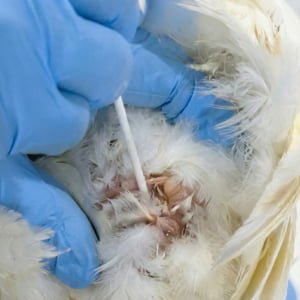
Active surveillance means someone is actually going out there — sampling cloacal and oropharyngeal swabs from live birds, collecting carcasses for necropsy, and running environmental swabs on water lines and feed areas. Passive surveillance, by contrast, depends on producers and local vets noticing something is off and reporting it. Both matter. FAO has long emphasized that the strongest programs use both, ideally coordinated through a central veterinary authority that can act on data in real time.
For more on how surveillance standards have evolved, check out our breakdown of new case definition standards.
Diagnostic Protocols That Actually Work in the Field
Laboratory confirmation is the gold standard, no question. PCR testing at a national reference laboratory is what the WOAH Manual of Diagnostic Tests recommends. But here is the reality: in the middle of an outbreak on a farm 200 kilometers from the nearest lab, you need answers now, not in three to five business days.
That is where rapid antigen detection tests earn their keep. A good lateral flow test can give you a result in 10 to 15 minutes, right there in the barn. The range of confirmatory tests available today covers everything from rapid antigen cards to real-time RT-PCR and virus isolation — and knowing when to use which one is half the battle.
The U.S. Centers for Disease Control and Prevention (CDC) recommends a tiered approach: screen with rapid antigen testing, then confirm positives with molecular methods. In practice, this means using tools like the Sabervet AIV H7 rapid test for immediate triage — if a flock tests positive on-site, you can initiate quarantine measures while waiting for PCR confirmation. Every hour counts when you are trying to contain a highly pathogenic strain.
For clinicians and field veterinarians, the peer-reviewed literature on avian influenza diagnostic strategies continues to support the combined approach of rapid screening plus lab confirmation as the most practical and cost-effective protocol.
Why H7 Subtype Demands Special Attention
Most poultry producers have heard of H5N1 — it dominates the headlines. But the H7 subtype has its own troubling track record. H7N9 caused over 1,500 human infections in China between 2013 and 2018, and H7N3, H7N7, and H7N8 have all triggered significant poultry outbreaks across the Americas, Europe, and Asia.
What makes H7 particularly tricky is its ability to mutate from low pathogenic to highly pathogenic forms. A strain that causes mild illness in chickens one season can acquire basic amino acid residues at the hemagglutinin cleavage site and suddenly become lethal. This is why continuous monitoring is non-negotiable — the virus does not announce when it is about to change.
The question of flock safety comes up constantly, and the honest answer is that no operation is risk-free. But targeted testing for H7 — using tools specifically validated for this subtype — gives producers a fighting chance. The Sabervet Avian Influenza H7 test was developed with this exact scenario in mind: rapid, subtype-specific detection that works outside the lab.
According to WOAH reporting data, H7 outbreaks have been confirmed in over 40 countries in the past decade alone, affecting layer hens, broilers, turkeys, and even backyard flocks. Cross-species transmission remains a concern, particularly for workers in close contact with infected birds.
Biosecurity and Isolation — The First Line of Defense
If surveillance is about catching the virus, biosecurity is about keeping it out in the first place. And I will say this plainly: most farms I have visited think they have good biosecurity, but they do not. A sign at the gate that says “Authorized Personnel Only” is not a biosecurity plan.
FAO’s technical guidelines on HPAI prevention lay out clear tiers of biosecurity for different production systems. Here is how they break down in practice:
| Biosecurity Level | Measures | Typical Setting |
|---|---|---|
| Level 1 — Basic | Fenced perimeter, visitor log, handwashing station, basic disinfection foot bath | Backyard and small-scale flocks |
| Level 2 — Enhanced | Dedicated entry with shower-in/shower-out, vehicle spray, separate clean/dirty zones, all-in/all-out management | Commercial broiler and layer operations |
| Level 3 — Maximum | Negative-pressure housing, HEPA filtration, dedicated staff with no off-farm bird contact, continuous environmental monitoring | Primary breeder flocks, research facilities |
Isolation protocols matter just as much once a case is suspected. Affected houses should be sealed off immediately. No movement of birds, equipment, or personnel between suspect and clean zones. Feed and water lines serving the affected house should be isolated. Carcasses should be handled as infectious material — bagged, not dragged across the farm, and disposed of through approved methods like composting or incineration.
Reporting Systems That Save Time and Livestock
Speed of reporting is directly correlated with outbreak size. I have seen it play out both ways: a producer who called the vet within hours of noticing a drop in feed intake, and one who waited three days “to see if it would pass.” Guess which one lost 40,000 birds.
WOAH requires member countries to report all outbreaks of highly pathogenic avian influenza within 24 hours. Most national systems now have dedicated hotlines and digital reporting platforms. The key is making sure farm-level staff actually know how to use them. Training programs should cover what to report, who to call, and — critically — what protections are in place for producers who report (fear of culling and economic loss is the single biggest reason outbreaks go unreported).
Modern reporting systems increasingly integrate with GIS mapping, allowing veterinary authorities to visualize outbreak clusters in near real time. This spatial awareness helps identify patterns — for example, outbreaks clustered along a migratory flyway versus those spreading via live bird market trade routes. The response strategy will be different for each.
Personal Protection for Veterinarians and Farm Workers
This section is personal for me. I have been in barns during H5 and H7 outbreaks, and the risk to people working directly with infected birds is real. The Sabervet Avian Influenza H7 test helps with detection, but protecting the people doing the testing is equally critical.
The CDC and WOAH recommend the following PPE minimums for anyone entering a suspect or confirmed premises:
- Respiratory protection: NIOSH-approved N95 respirator (minimum), or PAPR for prolonged exposure
- Eye protection: Goggles or face shield that seals around the eyes
- Body protection: Disposable coveralls or reusable dedicated farm clothing
- Gloves: Nitrile, double-gloved, with cuff-to-sleeve overlap
- Footwear: Dedicated boots with boot covers; foot bath with approved disinfectant at all entry/exit points
Post-exposure monitoring is also standard protocol. Workers who have had unprotected contact with infected birds should be monitored for 10 days for influenza-like symptoms. Local health authorities should be notified, and antiviral prophylaxis may be considered depending on the risk assessment.
The risk of human infection from avian influenza viruses is generally low, but it is not zero — and complacency is the enemy.
Frequently Asked Questions (FAQ)
What is the difference between low pathogenic and highly pathogenic avian influenza?
Low pathogenic avian influenza (LPAI) typically causes mild respiratory signs, drops in egg production, and low mortality. Highly pathogenic avian influenza (HPAI) causes systemic disease with mortality rates that can reach 90–100% in susceptible species. The distinction matters because HPAI triggers immediate reporting obligations and stamping-out policies under international law.
How quickly do bird flu symptoms appear after infection?
Incubation periods vary by subtype and species, but most clinical signs appear within 24 to 72 hours of exposure in chickens. Turkeys and waterfowl may show signs even sooner. This is why daily observation and rapid testing — using a field-deployed Sabervet H7 Ag test kit — can be the difference between a contained event and a full-scale outbreak.
Can vaccinated birds still carry and spread the virus?
Yes. Vaccination reduces clinical disease and mortality, but it does not necessarily prevent infection or shedding. This is the “DIVA” challenge — Differentiating Infected from Vaccinated Animals. Surveillance testing remains essential even in vaccinated flocks, which is why subtype-specific rapid tests retain their value in vaccinated populations.
What should I do if I suspect an outbreak on my farm?
Contact your veterinary authority immediately. Do not move birds, eggs, or equipment off the premises. Isolate the affected area. Collect samples for testing — rapid antigen tests can provide initial results while you wait for laboratory confirmation. Every hour of delay increases the risk of spread to neighboring operations.
Stay Ahead of the Virus
Guidelines are only as good as the tools and training behind them. Whether you are running a backyard flock or managing a commercial operation, having rapid, reliable diagnostics on hand is not optional — it is essential. The Sabervet H7 Ag test kit gives you subtype-specific results in minutes, backed by validation data and designed for field conditions.
For a complete range of diagnostic solutions, explore Sabervet’s full product line. If you need broader diagnostic capabilities across species, ITGen’s diagnostic products cover a wide spectrum of veterinary testing needs. And for pet owners looking to stay informed about animal health, Tailhealthy offers expert guidance on companion animal wellness.
The virus is not waiting. Neither should you.