
ITGen Technology Logo
ITGen
Technology
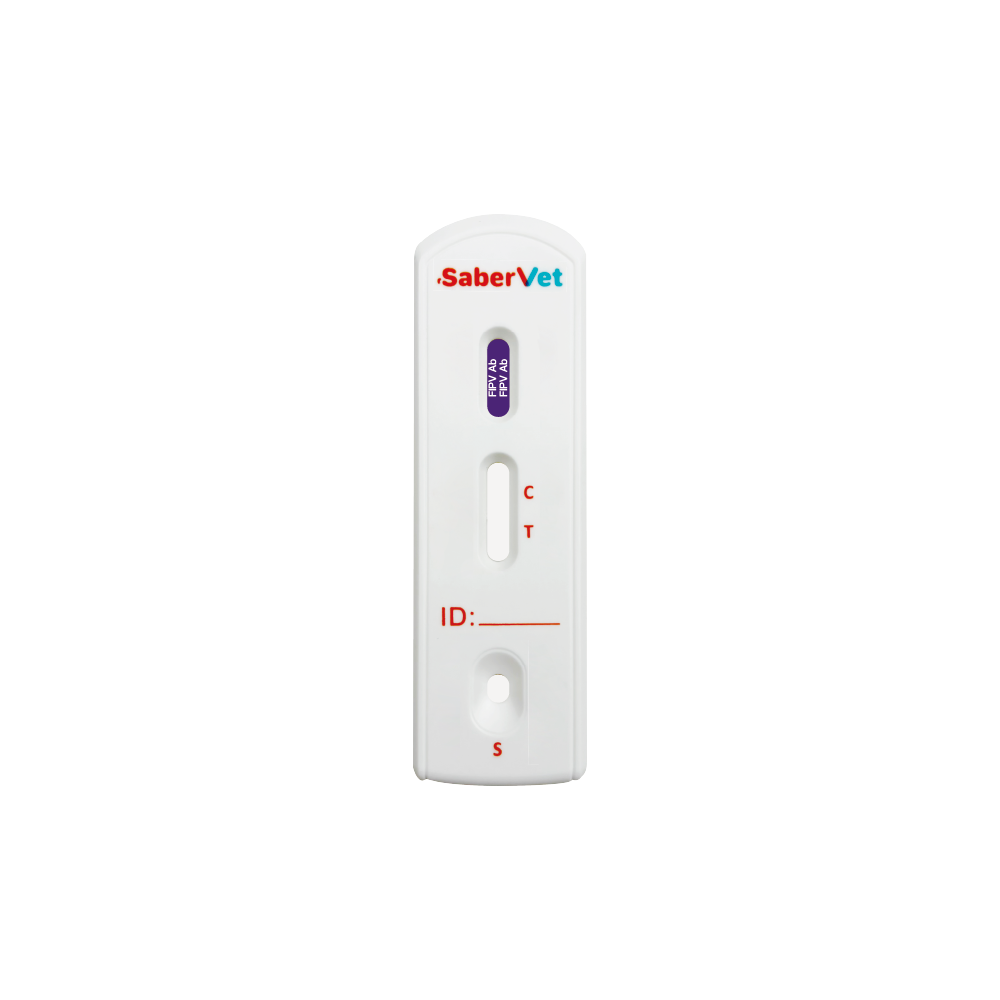
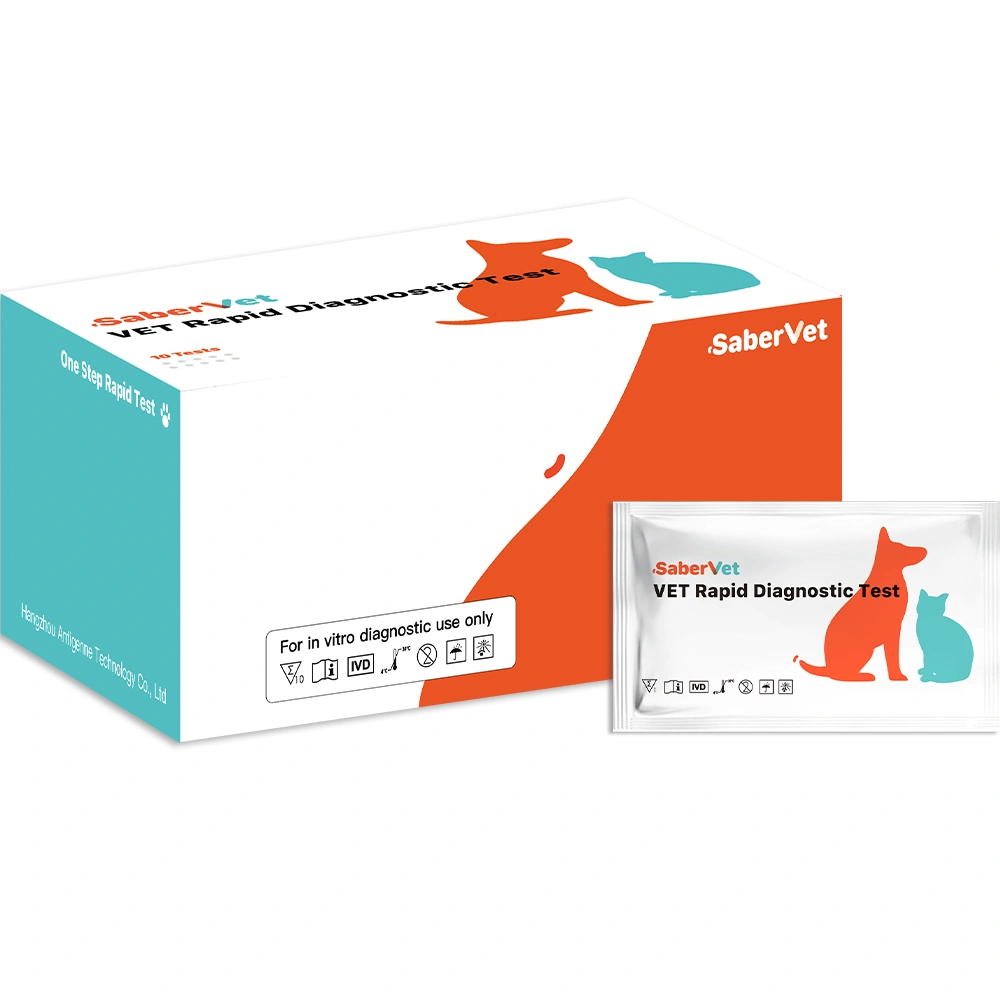
Sabervet Feline Infectious Peritonitis Virus Antibody Rapid Test
SaberVet • Veterinary Diagnostics

Sabervet Feline Infectious Peritonitis Virus Antibody Rapid Test

The SaberVet Feline Infectious Peritonitis Virus Antibody Rapid Test sold by Antigenne is a lateral flow immunoassay intended for the qualitative detection of specific antibody from feline infectious peritonitis virus (FIPV) in feline ascites, serum, plasma or whole blood samples. The test is useful for determination of FIPV infection.It is recommended for cats with symptoms of significantly enlarged abdominal circumference.

Production in China at a CE, ISO 13485 & GMP certified factory.
Results in 10 Minutes
Room Temperature(2-30°C) Storage

Technical Specifications

Detailed technical parameters and product description for professional evaluation.

Feline Infectious Peritonitis (FIP) is a fatal disease caused by certain mutant strains of feline coronavirus (FCoV).The pathology of FIP can be characterized according to its two main forms- -wet (exudative type) and dry (non-exudative type)  

Wet FIP (exudative type)

Wet FIP is characterized by the accumulation of fluid in body cavities, usually in the abdominal and thoracic cavities. These effusions are usually: Yellow to clear fluid that may be viscous. High protein content (total protein concentration usually greater than 3.5 g/dL). Low cellular content, with neutrophils and macrophages predominating.  

Pathologic features

Vasculitis: wet FIP often presents with perivascular inflammation called necrotizing vasculitis. The walls of the blood vessels are eroded, leading to accumulation of exudate. Plasma membrane inflammation: the peritoneum, pleura, and pericardium often show inflammation in the form of fibrin deposition and inflammatory cell infiltration.  

Dry FIP (non-exudative type)

Dry FIP is characterized by granulomatous lesions of multiple tissues and organs rather than body cavity fluid collection. These granulomas are found primarily in: Liver, kidneys, lymph nodes, spleen, CNS  

Pathologic features

Granulomas and nodules: granulomatous lesions formed by macrophages, lymphocytes, and plasma cells, commonly found in the above organs. Inflammatory response: infiltration of inflammatory cells, predominantly monocytes and macrophages, accompanied by tissue necrosis and fibrosis. CNS lesions: inflammatory cell infiltration can be seen in the meninges and brain parenchyma, manifesting as meningoencephalitis.  

Common pathologic features

Both wet FIP and dry FIP share the following common pathologic features: Systemic inflammatory response: extensive immune-mediated inflammatory response due to intravascular deposition of immune complexes. Multisystemic involvement: extensive involvement of different organ systems, including the digestive system, respiratory system, and nervous system. Lymphadenopathy: lymph nodes are often enlarged and show nonspecific inflammation and hyperplasia.  

Diagnostic basis

The definitive diagnosis of FIP relies on pathologic tests, including: Tissue biopsy: Pathologic examination of tissue sections is the gold standard for confirming the diagnosis of FIP. Typical pathologic features include vasculitis and granulomatous lesions as described above. Immunohistochemical staining: can be used to detect FCoV antigen and help confirm the diagnosis.   Because of the diverse clinical presentation of FIP, confirming the diagnosis usually requires a combination of clinical signs, laboratory tests (e.g., ascites analysis, serum protein electrophoresis, etc.), imaging studies, and pathologic findings.   Feline Infectious Peritonitis (FIP) is a fatal disease caused by feline coronavirus (FCoV).FIP can be categorized as wet or dry, and the symptoms are complex and varied, making diagnosis difficult. The main points involved in the question of whether to perform antigen testing are as follows:  

The role of antigen testing

Antigenic tests (e.g. ELISA, IFA, etc.) are primarily used to detect the presence of FCoV in cats.It is important to note, however, There are two forms of FCoV: a relatively harmless enteric FCoV (FECV) and an FIP-causing FCoV (FIPV). Antigen testing cannot distinguish between these two forms, so a positive test for FCoV does not necessarily mean that a cat has FIP. Since most cats will contract and carry FCoV throughout their lives (especially cats living in multi-cat environments), a diagnosis of FIP based on a positive antigen test result alone is not accurate.  

Testing for fip in cats

CLINICAL symptoms: Diagnosis of FIP is usually based on clinical symptoms, history, and physical examination. Wet FIP results in an accumulation of fluid in the abdominal or thoracic cavity, while dry FIP presents as nodules in internal organs. Laboratory tests: Ancillary tests such as complete blood count, serum protein electrophoresis, and analysis of ascites or pleural fluid can provide further information. PCR assay: Polymerase chain reaction (PCR) assay can be used to detect RNA of FCoV, which helps to confirm the diagnosis of FIP, but its sensitivity and specificity need to be further verified. Tissue biopsy: In some cases, the diagnosis of FIP can be confirmed by tissue biopsy and pathology.

Antibody test vs Antigen test for fip

Antibody test: used to detect the presence of antibodies against FCoV in cats. This test also cannot distinguish between FECV and FIPV, but can provide information on whether the cat has been exposed to FCoV. Antigen Test: Used to directly detect the presence of the virus and, as mentioned earlier, has limited diagnostic significance due to the inability to differentiate between the different forms of FCoV.   The SaberVet Pet Rapid Test Kit, the pioneer in animal diagnostics. Our innovative technology and rapid diagnostic products create accurate and timely health protection for your pet's health.

Key Features of Sabervet Feline Infectious Peritonitis Virus Antibody Rapid Test

Advanced diagnostic technology designed for accuracy, simplicity, and reliability in veterinary practice.

High Accuracy

Clinical performance with 99% sensitivity and specificity, ensuring reliable diagnostic results for professional veterinary use.

Rapid Results

Get accurate diagnostic results in just 5-10 minutes without any laboratory equipment or complex procedures.

Easy to Read

Clear visual results with distinct color lines that are easy to interpret, reducing the chance of reading errors.

Testing Procedure

Simple 4-step process for accurate veterinary diagnostic results.

1

Sample Collection

Collect serum, plasma, or whole blood sample using provided collection tools.

2

Add Sample

Drop 2-3 drops of sample into the sample well on the test cassette.

3

Wait for Results

Allow 5-10 minutes for the test to develop at room temperature.

4

Read Results

Interpret the results based on the presence or absence of colored lines.

Result Interpretation

Positive

Two colored lines appear (C and T lines)

Negative

Only control line (C) appears

Invalid

No control line appears - repeat test

Quality Standards & Certifications

ITGen maintains the highest quality standards with comprehensive certifications and batch consistency guarantees.

Certifications & Standards

ISO 9001
Management System
GMP
Good Manufacturing
CE
European Conformity
ISO 13485
Approved Standards

Quality Guarantees

Batch Consistency

Every batch tested for consistent performance

Quality Control

Rigorous QC testing at every production stage

Traceability

Complete batch tracking and documentation

Performance Metrics

Sensitivity 99.2%
Specificity 98.8%
Accuracy 99.0%
Reproducibility 97.5%

8 Years of proven excellence in veterinary diagnostics manufacturing

Custom Solutions & Bulk Sourcing

Comprehensive OEM/ODM services with flexible bulk pricing and global logistics support for business partners.

OEM/ODM Services

  • Custom Brand Packaging
  • Private Label Solutions
  • Product Customization
  • Design Modifications

Bulk Pricing

  • Volume Discounts
  • Tiered Pricing Structure
  • Long-term Contracts
  • Flexible Payment Terms

Global Logistics

  • Worldwide Shipping
  • Fast Delivery Options
  • Cold Chain Logistics
  • Documentation Support

Partnership Benefits

48-Hour Quote Response

Fast turnaround time for all inquiries and custom requirements.

24/7 Technical Support

Comprehensive technical assistance and product training.

Quality Assurance

ISO GMP certified manufacturing with consistent quality control.

Get Custom Quote

Frequently Asked Questions

Common questions about product usage, storage, and bulk ordering.

How accurate are the test results?

Our rapid test kits demonstrate 99% sensitivity and 98.8% specificity in clinical trials, ensuring highly accurate diagnostic results for veterinary professionals.

What is the shelf life and storage requirement?

The product has a 24-month shelf life when stored at 2-30°C. Room temperature storage makes it convenient for field use without refrigeration requirements.

What are the minimum order quantities for bulk purchases?

Minimum order quantities vary by product and customization requirements. Contact our sales team for specific MOQ information and volume pricing tiers.

Do you provide OEM/ODM services?

Yes, we offer comprehensive OEM/ODM services including custom packaging, private labeling, and product modifications to meet specific market requirements.

What shipping options are available for international orders?

We provide worldwide shipping with express delivery options. Our logistics team handles all documentation and ensures proper cold chain management when required.

Still have questions? Our technical support team is here to help.