ITGen Technology Logo
ITGen
Technology
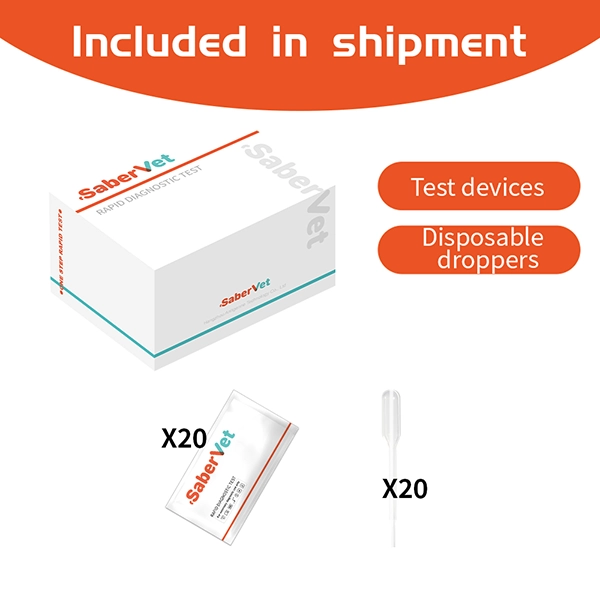
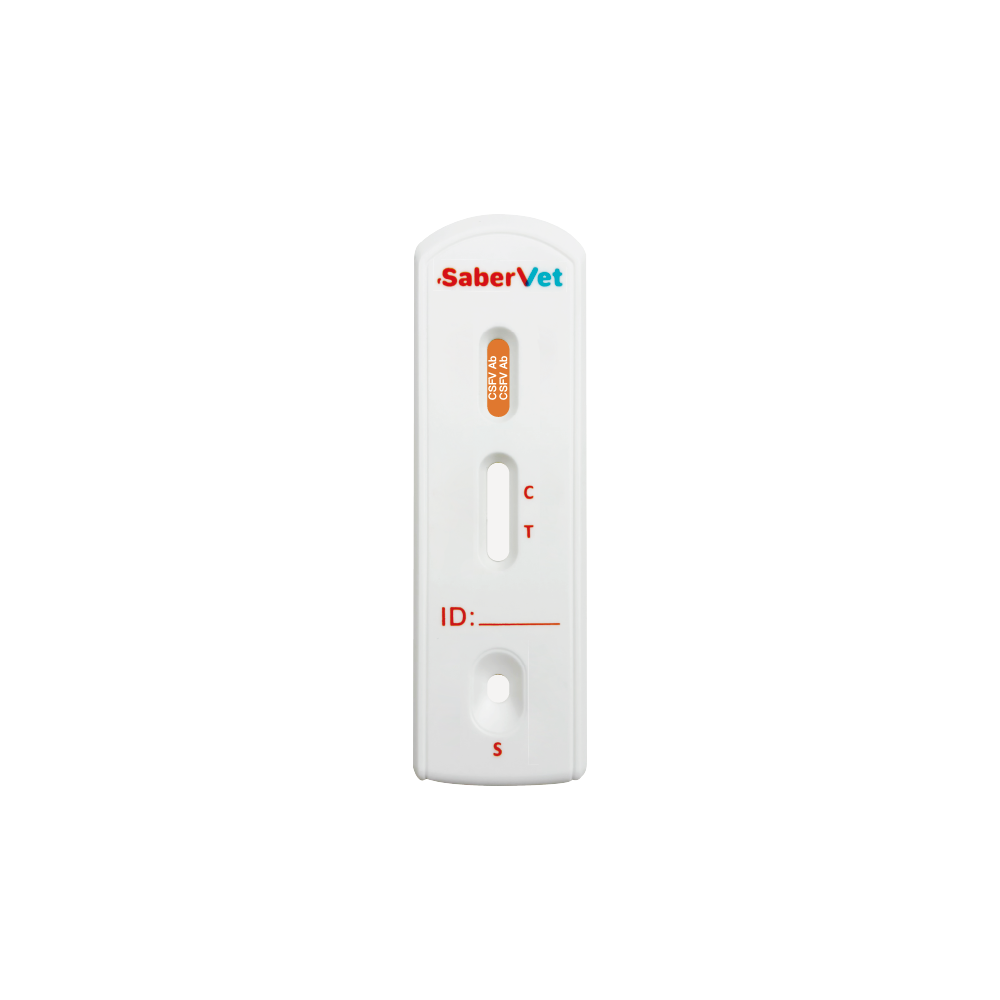
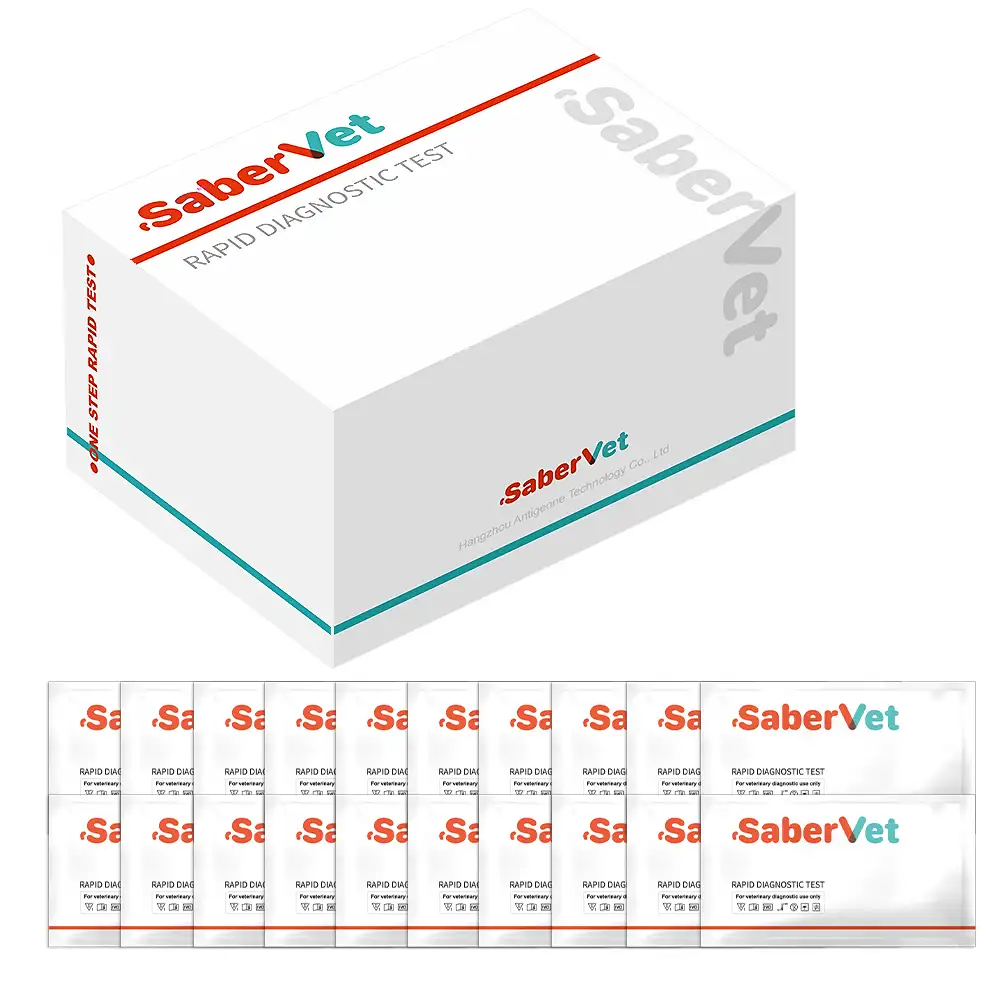
SaberVet Classical Swine Fever Virus Antibody Rapid Test
SaberVet • Veterinary Diagnostics

SaberVet Classical Swine Fever Virus Antibody Rapid Test

The Sabervet Classical Swine Fever Virus Antibody Rapid Test is a lateral flow immunoassay intended for the qualitative detection of specific antibody from Classical Swine Fever Virus (CSFV) in porcine serum, plasma.

Production in China at a CE, ISO 13485 & GMP certified factory.
Results in 10 Minutes
Room Temperature(2-30°C) Storage

Technical Specifications

Detailed technical parameters and product description for professional evaluation.

Classical Swine Fever (CSF), also known as Hog Cholera, is a highly contagious viral disease caused by Classical Swine Fever Virus (CSFV). The disease is a major threat to the pig industry.
Clinical symptoms

Clinical symptoms of classical swine fever can be categorised into acute, sub-acute and chronic forms.

Acute swine fever

High fever: body temperature rises sharply, often to 41°C or more. Loss of appetite: pigs do not eat or eat less. Skin erythema: red or purple spots on the ears, abdomen and inner limbs. Haemorrhagic symptoms: congestion of the conjunctiva of the eyes, haemorrhagic spots in the nose, mouth and ear roots. Neurological symptoms: dyskinesia, hind limb paralysis, tremor and ataxia. Dyspnoea: coughing, shortness of breath and salivation.

Subacute swine fever

Fever: elevated body temperature, but not as pronounced as in the acute phase. Chronic symptoms: persistent diarrhoea, weight loss, stunted growth and coarse hair. Mortality rate is low: however, growth of sick pigs is slow and economic losses are severe.

Chronic swine fever

Prolonged fever: intermittent low-grade fever. Wasting: weight loss and growth retardation in pigs. Haemorrhagic tendency: bleeding from subcutaneous and internal organs. Immunosuppression: easy to complicate other diseases.

Transmission pathways

Direct contact

Pig to pig: spread through direct contact with body fluids (e.g. saliva, snot, urine, faeces, etc.) of infected pigs. Sow to piglet: passed from sow's milk or placenta to piglet. Airborne: The virus can be spread by airborne droplets, especially in confined and poorly ventilated environments.

Indirect transmission

Contaminated items and equipment: contaminated feed, water, equipment and personnel can transmit the virus. Contaminated environments: the virus can survive in the environment for a period of time and spread through contact with the contaminated environment.

Biological vectors

Insects and rodents: some insects and rodents can act as mechanical vectors.

Clinical Diagnosis

Clinical Symptom Observation

Initial diagnosis is based on typical high fever, haemorrhagic symptoms and neurological symptoms.

Laboratory Tests

PCR test: detection of viral RNA in tissues, body fluids or faeces by polymerase chain reaction (PCR) is a rapid and sensitive test. ELISA: Detection of viral antibodies in serum using an enzyme-linked immunosorbent assay (ELISA) is used to assess infection and immune response. Virus isolation: isolation of virus from tissues of diseased pigs for virus culture and identification.

Serological testing

Confirmation of CSFV infection by detecting the presence of antibodies in serum.

Pathological examination

Perform autopsy on sick and dead pigs to observe haemorrhage and necrosis of spleen, lymph nodes, kidneys and other organs.

Preventive measures

Vaccination: Vaccinate the herd against classical swine fever, especially breeding pigs and piglets. Use inactivated or live attenuated vaccine, and set up a reasonable immunisation procedure according to the epidemiological situation of the disease and the type of vaccine. Biosecurity measures: Strictly implement biosecurity measures, including isolation of newly introduced pigs, disinfection of personnel and equipment, and restriction of people and vehicles from entering and leaving the farm. Regularly monitor the disease conditions inside and outside the pig farm and take timely preventive and control measures.

Management measures

All-in-all-out: Adopt all-in-all-out feeding management mode to avoid mixing different batches of pigs. It helps to reduce the spread of viruses among herds. Isolation and quarantine: newly introduced pigs should be isolated and quarantined to ensure that they are not infected with CSFV. regular health checks should be carried out to detect and deal with infected pigs in time. Personnel training: Improve the awareness and prevention and control skills of breeders and veterinarians on CSF.

Therapeutic measures

There are no specific drugs for CSFV infection. The main treatment is symptomatic, providing supportive care and proper nutrition. Use antibiotics to control secondary bacterial infections.

Control measures

Isolation of sick pigs: Isolate sick pigs rapidly to prevent spread of the virus. Keep and care for infected pigs individually. Disinfection and cleaning: Thoroughly clean and disinfect contaminated barns, equipment and environment to cut off the transmission route. Use effective disinfectants for regular disinfection treatment.

Sabervet Classical Swine Fever Virus Antibody Rapid Test

Sabervet Classical Swine Fever Virus Antibody Rapid Test offered by Antigenne, which is a fast, easy to perform and highly accurate test to help users detect classical swine fever virus infection.

Key Features of SaberVet Classical Swine Fever Virus Antibody Rapid Test

Advanced diagnostic technology designed for accuracy, simplicity, and reliability in veterinary practice.

High Accuracy

Clinical performance with 99% sensitivity and specificity, ensuring reliable diagnostic results for professional veterinary use.

Rapid Results

Get accurate diagnostic results in just 5-10 minutes without any laboratory equipment or complex procedures.

Easy to Read

Clear visual results with distinct color lines that are easy to interpret, reducing the chance of reading errors.

Testing Procedure

Simple 4-step process for accurate veterinary diagnostic results.

1

Sample Collection

Collect serum, plasma, or whole blood sample using provided collection tools.

2

Add Sample

Drop 2-3 drops of sample into the sample well on the test cassette.

3

Wait for Results

Allow 5-10 minutes for the test to develop at room temperature.

4

Read Results

Interpret the results based on the presence or absence of colored lines.

Result Interpretation

Positive

Two colored lines appear (C and T lines)

Negative

Only control line (C) appears

Invalid

No control line appears - repeat test

Quality Standards & Certifications

ITGen maintains the highest quality standards with comprehensive certifications and batch consistency guarantees.

Certifications & Standards

ISO 9001
Management System
GMP
Good Manufacturing
CE
European Conformity
ISO 13485
Approved Standards

Quality Guarantees

Batch Consistency

Every batch tested for consistent performance

Quality Control

Rigorous QC testing at every production stage

Traceability

Complete batch tracking and documentation

Performance Metrics

Sensitivity 99.2%
Specificity 98.8%
Accuracy 99.0%
Reproducibility 97.5%

8 Years of proven excellence in veterinary diagnostics manufacturing

Custom Solutions & Bulk Sourcing

Comprehensive OEM/ODM services with flexible bulk pricing and global logistics support for business partners.

OEM/ODM Services

  • Custom Brand Packaging
  • Private Label Solutions
  • Product Customization
  • Design Modifications

Bulk Pricing

  • Volume Discounts
  • Tiered Pricing Structure
  • Long-term Contracts
  • Flexible Payment Terms

Global Logistics

  • Worldwide Shipping
  • Fast Delivery Options
  • Cold Chain Logistics
  • Documentation Support

Partnership Benefits

48-Hour Quote Response

Fast turnaround time for all inquiries and custom requirements.

24/7 Technical Support

Comprehensive technical assistance and product training.

Quality Assurance

ISO GMP certified manufacturing with consistent quality control.

Get Custom Quote

Frequently Asked Questions

Common questions about product usage, storage, and bulk ordering.

How accurate are the test results?

Our rapid test kits demonstrate 99% sensitivity and 98.8% specificity in clinical trials, ensuring highly accurate diagnostic results for veterinary professionals.

What is the shelf life and storage requirement?

The product has a 24-month shelf life when stored at 2-30°C. Room temperature storage makes it convenient for field use without refrigeration requirements.

What are the minimum order quantities for bulk purchases?

Minimum order quantities vary by product and customization requirements. Contact our sales team for specific MOQ information and volume pricing tiers.

Do you provide OEM/ODM services?

Yes, we offer comprehensive OEM/ODM services including custom packaging, private labeling, and product modifications to meet specific market requirements.

What shipping options are available for international orders?

We provide worldwide shipping with express delivery options. Our logistics team handles all documentation and ensures proper cold chain management when required.

Still have questions? Our technical support team is here to help.