
ITGen Technology Logo
ITGen
Technology
SaberVet Canine Leishmania Antibody Rapid Test
SaberVet • Veterinary Diagnostics

SaberVet Canine Leishmania Antibody Rapid Test

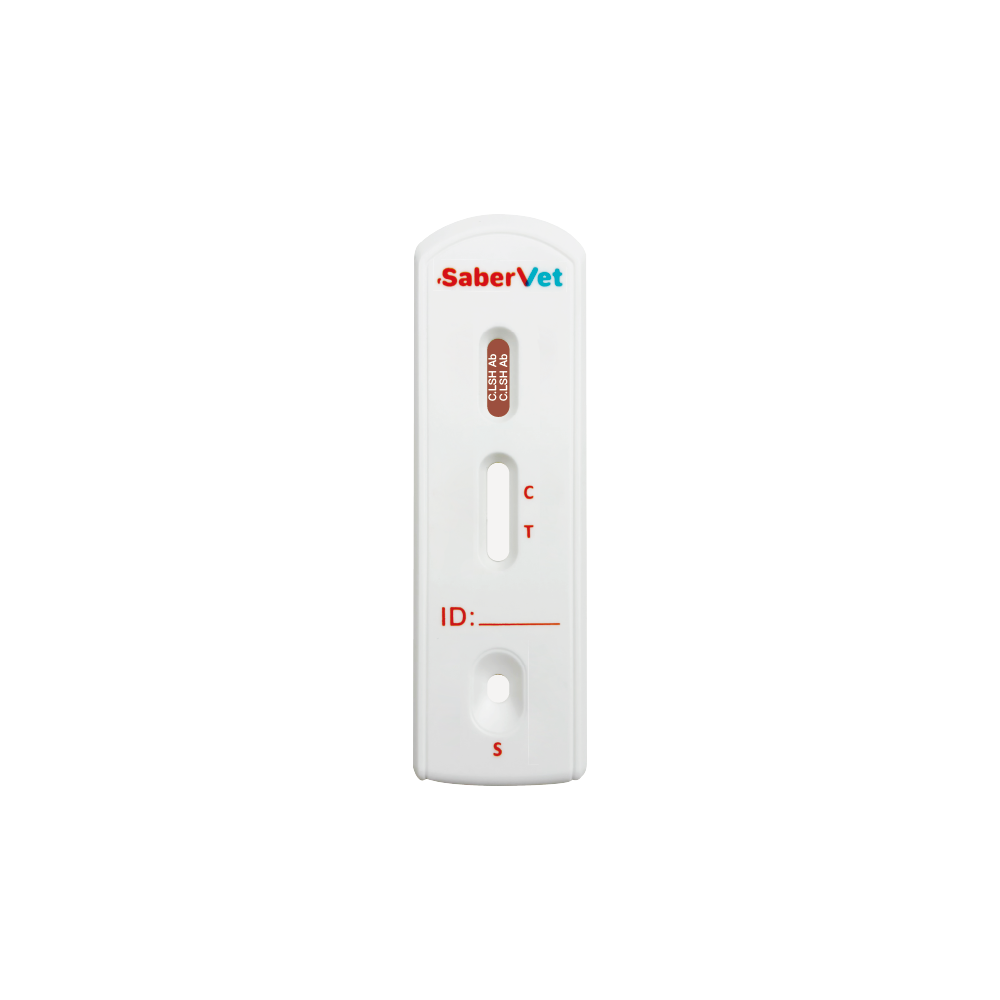
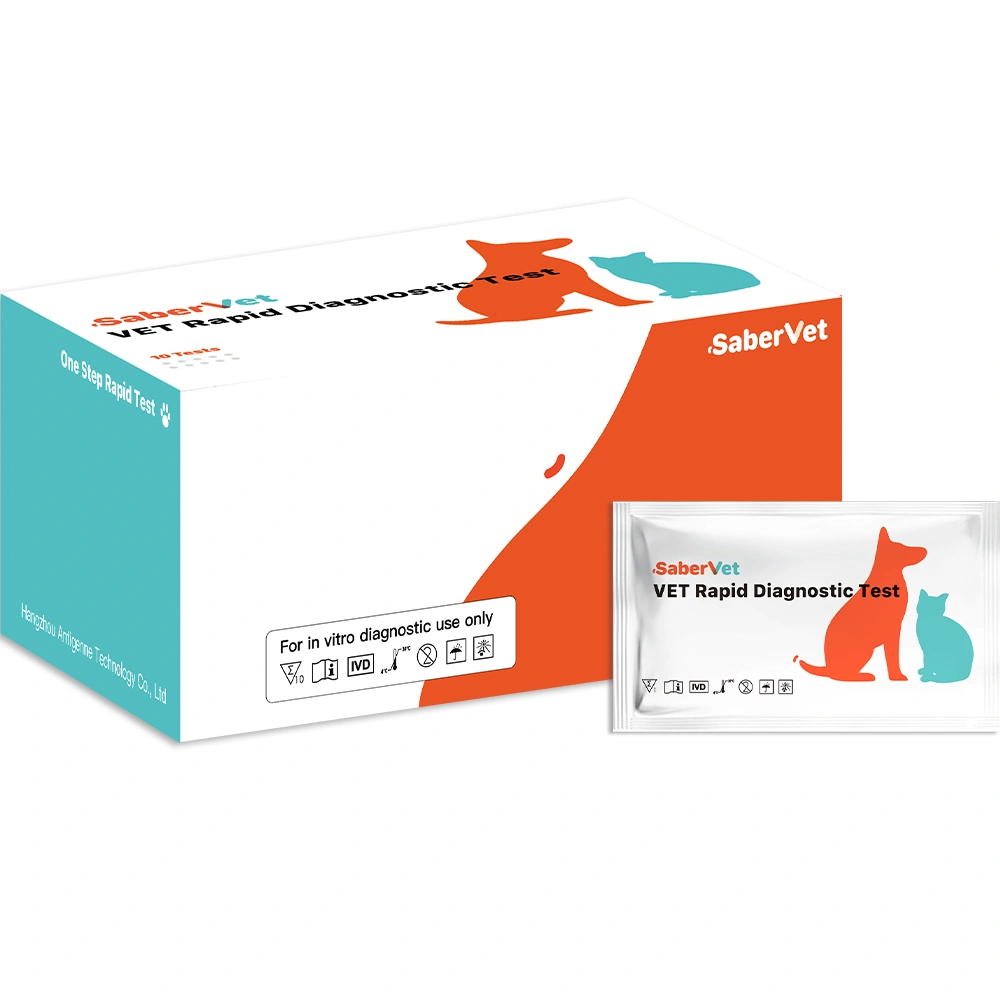
The SaberVet Canine Leishmania Antibody Rapid Test sold by Antigenne is a lateral flow immunoassay intended for the qualitative detection of specific antibody from canine Leishmania (C.LSH) in canine serum, plasma or whole blood samples. The test is useful for determination of C.LSH infection.It is recommended for dogs with weight loss, polyuria, polydipsia, muscle atrophy, depression, vomiting, diarrhea and other symptoms.

Production in China at a CE, ISO 13485 & GMP certified factory.
Results in 10 Minutes
Room Temperature(2-30°C) Storage

Technical Specifications

Detailed technical parameters and product description for professional evaluation.

Pathological Introduction

Transmission and Infection

Canine Leishmania (Leishmania spp.) is a parasitic protozoan parasite that is transmitted primarily after the  the bite of sandflies (Phlebotomus spp.). Dogs are one of the main hosts of Leishmania spp. Leishmania spp. reproduce in macrophages in dogs and cause canine leishmaniasis (Leishmaniasis).  

Pathologic process

Following Leishmania infection, the protozoa proliferate within macrophages in dogs, causing cell rupture and release of the protozoa, which then infect additional cells. Major pathologic changes include: Cutaneous type: manifests as skin ulcers, alopecia, skin nodules and ulceration.   Visceral form: causes systemic disease involving several internal organs such as the liver, spleen, lymph nodes and bone marrow.  

Clinical symptoms

Skin symptoms: hair loss, skin ulcers, increased dandruff, skin nodules and itching. Systemic symptoms: weight loss, loss of appetite, weakness, fever, enlarged lymph nodes, enlarged liver and spleen. Other symptoms: joint pain, swollen limbs, eye inflammation (e.g., conjunctivitis, keratitis).  

Means of detection

Clinical diagnosis

Based on clinical signs and history, especially in areas where sandflies are endemic, veterinarians may suspect canine leishmaniasis, but definitive diagnosis requires laboratory testing.  

Laboratory tests

Direct testing

Microscopic examination: by puncture biopsy of the skin, lymph nodes, bone marrow or spleen, stained and then observed under the microscope for Leishmania protozoa. This method is intuitive but requires an experienced technician.  

Serologic testing

Enzyme-linked immunosorbent assay (ELISA): detects antibodies against Leishmania protozoa in canine serum with high sensitivity and specificity. Indirect immunofluorescence assay (IFA): detects antibody binding by fluorescence microscopy and is also a commonly used serologic method.  

Molecular assay

Polymerase Chain Reaction (PCR): detects Leishmania protozoa DNA in samples and is the most sensitive and specific method available for blood, bone marrow and skin tissue samples.  

Culture

The puncture sample is cultured in a specific medium, which provides an accurate diagnosis, although the incubation time is longer.  

Treatment Options

Medications

The main drugs used to treat canine leishmaniasis are antiprotozoal drugs and immunomodulatory drugs, which are commonly used and include:  

Antiprotozoal drugs

Pentavalent antimony compounds (e.g., sodium antimony gluconate): are traditionally used in the treatment of leishmaniasis, but have some toxicity. Miltefosine (Miltefosine): an oral drug that is more effective but has some side effects. Amphotericin B (Amphotericin B): used in refractory cases, with remarkable efficacy, but needs to pay attention to nephrotoxicity.  

Immunomodulatory drugs

Benzimidazoles (e.g., metronidazole): assist antiprotozoal therapy by modulating the immune response.  

Supportive therapy

Nutritional support: provide a high-quality, high-protein diet to maintain the dog's strength and immune function. Symptomatic treatment: use painkillers, anti-inflammatory drugs, antibiotics (to prevent secondary infections) and other drugs to relieve clinical symptoms. Preventive measures  

Prevent whitefly bites

Use insect repellents (e.g. collars or drops containing imidacloprid, permethrin). Avoid dogs outside during peak whitefly activity (dusk and nighttime).  

Environmental Management

Keep the environment in which dogs live clean to minimize whitefly breeding sites. Use mosquito nets, screens and repellent sprays indoors to minimize lacewing invasion.  

Regular Health Checks

Conduct regular Leishmania protozoa testing in endemic areas for early detection and treatment of infection.  

Summarize

Leishmania canis is a serious parasitic protozoan that causes canine leishmaniasis, which poses a major health threat to dogs. Leishmaniasis can be accurately diagnosed by combining clinical signs with laboratory testing. Although treatment is difficult and requires long-term medication, effective medication and supportive care can control the disease and improve a dog's quality of life. Preventive measures such as protection from lacewing bites and environmental management are essential to control and prevent the spread of leishmaniasis.     The ITGEN Pet Rapid Test Kit, the pioneer in animal diagnostics. Our innovative technology and rapid diagnostic products create accurate and timely health protection for your pet's health.

Key Features of SaberVet Canine Leishmania Antibody Rapid Test

Advanced diagnostic technology designed for accuracy, simplicity, and reliability in veterinary practice.

High Accuracy

Clinical performance with 99% sensitivity and specificity, ensuring reliable diagnostic results for professional veterinary use.

Rapid Results

Get accurate diagnostic results in just 5-10 minutes without any laboratory equipment or complex procedures.

Easy to Read

Clear visual results with distinct color lines that are easy to interpret, reducing the chance of reading errors.

Testing Procedure

Simple 4-step process for accurate veterinary diagnostic results.

1

Sample Collection

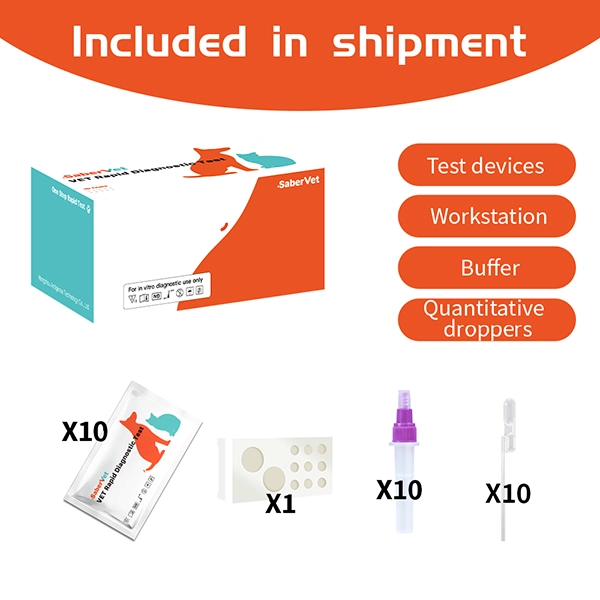
Collect serum, plasma, or whole blood sample using provided collection tools.

2

Add Sample

Drop 2-3 drops of sample into the sample well on the test cassette.

3

Wait for Results

Allow 5-10 minutes for the test to develop at room temperature.

4

Read Results

Interpret the results based on the presence or absence of colored lines.

Result Interpretation

Positive

Two colored lines appear (C and T lines)

Negative

Only control line (C) appears

Invalid

No control line appears - repeat test

Quality Standards & Certifications

ITGen maintains the highest quality standards with comprehensive certifications and batch consistency guarantees.

Certifications & Standards

ISO 9001
Management System
GMP
Good Manufacturing
CE
European Conformity
ISO 13485
Approved Standards

Quality Guarantees

Batch Consistency

Every batch tested for consistent performance

Quality Control

Rigorous QC testing at every production stage

Traceability

Complete batch tracking and documentation

Performance Metrics

Sensitivity 99.2%
Specificity 98.8%
Accuracy 99.0%
Reproducibility 97.5%

8 Years of proven excellence in veterinary diagnostics manufacturing

Custom Solutions & Bulk Sourcing

Comprehensive OEM/ODM services with flexible bulk pricing and global logistics support for business partners.

OEM/ODM Services

  • Custom Brand Packaging
  • Private Label Solutions
  • Product Customization
  • Design Modifications

Bulk Pricing

  • Volume Discounts
  • Tiered Pricing Structure
  • Long-term Contracts
  • Flexible Payment Terms

Global Logistics

  • Worldwide Shipping
  • Fast Delivery Options
  • Cold Chain Logistics
  • Documentation Support

Partnership Benefits

48-Hour Quote Response

Fast turnaround time for all inquiries and custom requirements.

24/7 Technical Support

Comprehensive technical assistance and product training.

Quality Assurance

ISO GMP certified manufacturing with consistent quality control.

Get Custom Quote

Frequently Asked Questions

Common questions about product usage, storage, and bulk ordering.

How accurate are the test results?

Our rapid test kits demonstrate 99% sensitivity and 98.8% specificity in clinical trials, ensuring highly accurate diagnostic results for veterinary professionals.

What is the shelf life and storage requirement?

The product has a 24-month shelf life when stored at 2-30°C. Room temperature storage makes it convenient for field use without refrigeration requirements.

What are the minimum order quantities for bulk purchases?

Minimum order quantities vary by product and customization requirements. Contact our sales team for specific MOQ information and volume pricing tiers.

Do you provide OEM/ODM services?

Yes, we offer comprehensive OEM/ODM services including custom packaging, private labeling, and product modifications to meet specific market requirements.

What shipping options are available for international orders?

We provide worldwide shipping with express delivery options. Our logistics team handles all documentation and ensures proper cold chain management when required.

Still have questions? Our technical support team is here to help.