
ITGen Technology Logo
ITGen
Technology
Sabervet  Canine Fecal Occult Blood Rapid Test
SaberVet • Veterinary Diagnostics

Sabervet  Canine Fecal Occult Blood Rapid Test

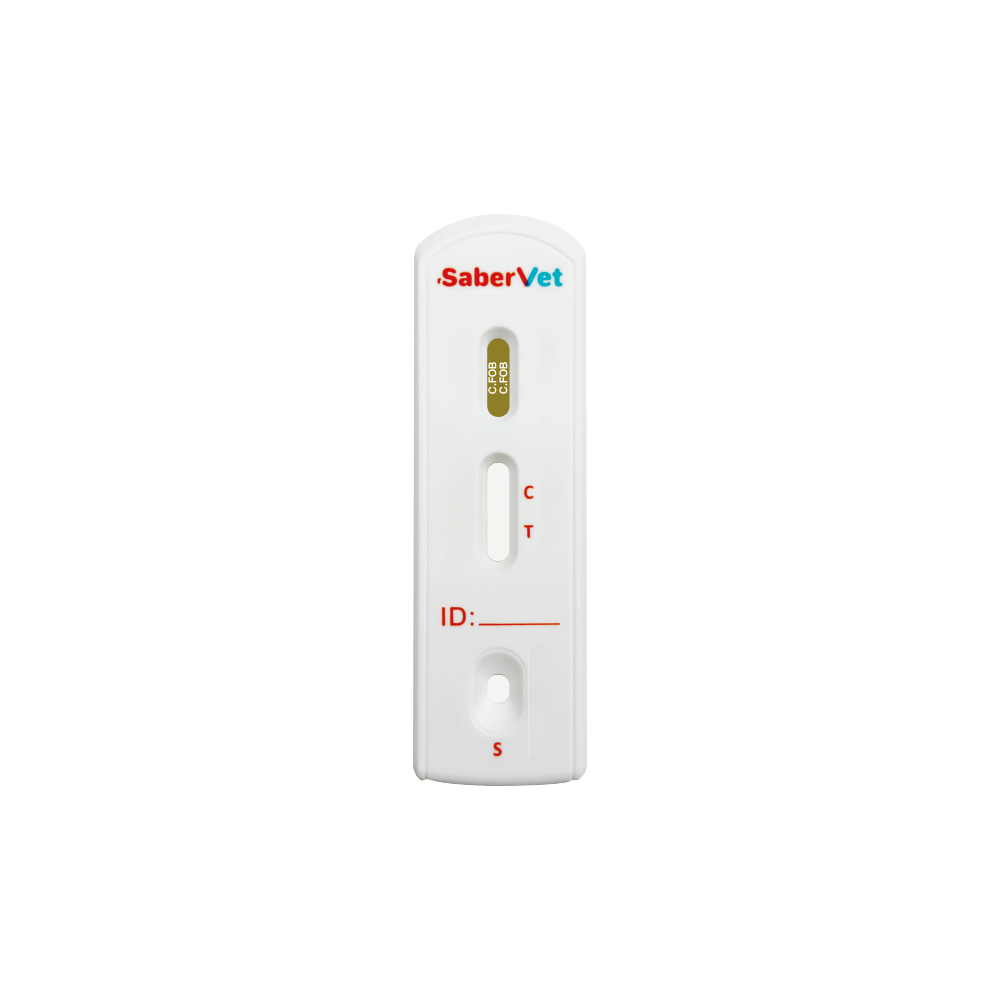
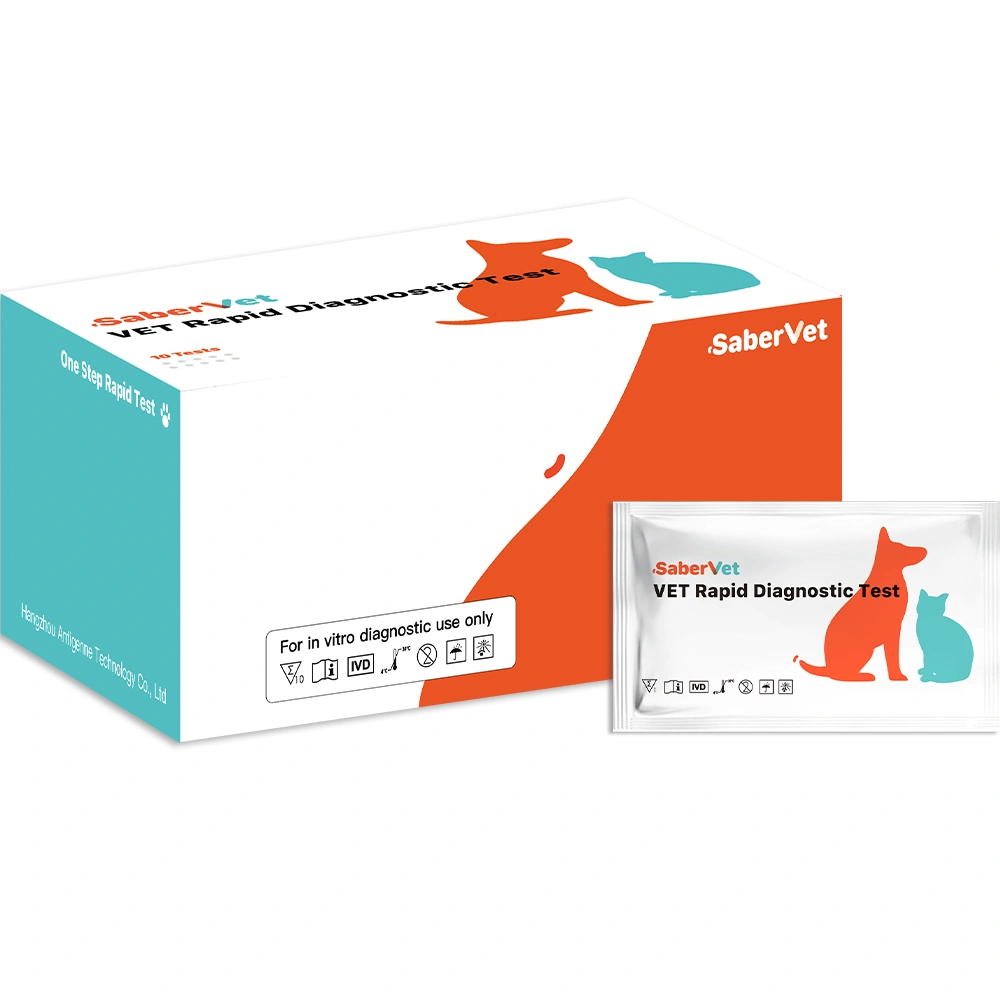
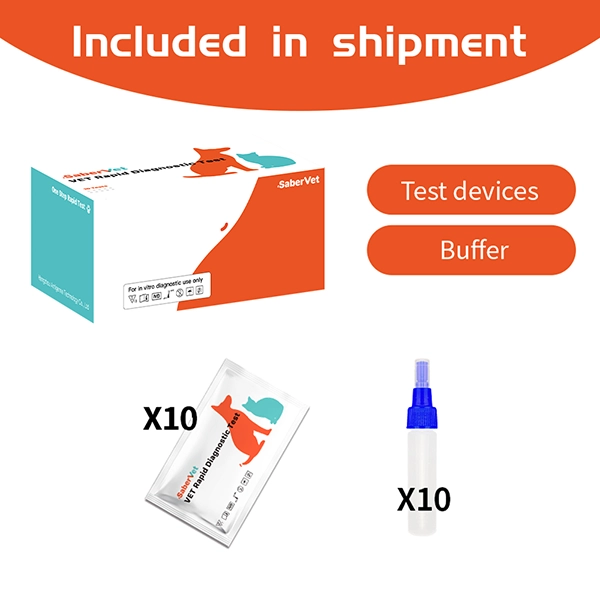
Sabervet Canine Fecal Occult Blood Rapid Test sold by Antigenne is a lateral flow immunoassay intended for the qualitative detection of hemoglobin  in fresh Canine feces sample.

Production in China at a CE, ISO 13485 & GMP certified factory.
Results in 10 Minutes
Room Temperature(2-30°C) Storage

Technical Specifications

Detailed technical parameters and product description for professional evaluation.

Fecal occult blood in dogs refers to a clinical symptom of the presence of blood in the feces that is not visible to the naked eye. This symptom may be caused by certain diseases of the digestive tract or intestines. Testing for this symptom can determine whether dogs have gastrointestinal or intestinal diseases.

Pathological Introduction

Gastrointestinal bleeding: The causes of gastrointestinal bleeding may be mechanical (such as ulcer rupture) or inflammatory (such as inflammatory bowel disease). One of the most common reasons is diseases or injuries inside the digestive tract, such as gastric ulcers, intestinal inflammation, tumors, or injuries. These conditions may lead to blood entering the digestive tract. Food allergy or poisoning: Some dogs may have allergic reactions to specific foods or ingest toxic substances, leading to gastrointestinal inflammation and bleeding, manifested as blood in the stool. Intestinal parasite infections: Such parasitic infections as hookworms and tapeworms can cause damage to the intestinal mucosa and bleeding, resulting in blood in the stool. This condition is usually accompanied by other symptoms such as diarrhea and weight loss. Infectious diseases: Such bacterial, viral, or other pathogen infections as bacterial enteritis and canine distemper may cause damage to the intestinal mucosa and bleeding, resulting in blood in the stool. Intestinal tumors: Malignant or benign intestinal tumors may cause damage to the intestinal mucosa and bleeding, leading to blood in the stool. Bleeding disorders: Rare bleeding disorders such as hemophilia may lead to bleeding tendencies in dogs, including gastrointestinal bleeding.  

Detection Methods

Fecal examination: Veterinarians can collect fresh fecal samples from dogs and use test strips or chemical reagents to detect occult blood. These reagents react with blood in the feces, causing a color change to indicate the presence of occult blood. This test is often one of the most commonly used methods, as well as the simplest and most economical method. Fecal microscopy: Fecal samples can also be sent to a laboratory for microscopic examination. Laboratory technicians will examine the fecal sample under a microscope, looking for the presence of red blood cells or other abnormal cells. This method can provide more detailed information but usually requires more time and resources. Fecal culture: If there is an infectious cause of occult blood in the stool, veterinarians may conduct a fecal culture to determine the specific pathogen. This typically involves placing the fecal sample in a culture medium and observing whether bacteria or other microorganisms grow. Endoscopic examination: In some cases, if other diagnostic methods cannot determine the issue, veterinarians may suggest an endoscopic examination. This procedure allows direct visualization of the interior of the intestines to identify abnormalities such as ulcers and tumors. Conventional testing methods have low specificity and require operation in specific laboratory environments with professional personnel and specialized equipment. But the ITGEN Canine Occult Blood Rapid Test Strip is a specific test card for detecting occult blood in dog feces. It is easy to use, unaffected by environmental factors or personnel, and can quickly screen for occult blood in dogs.  

Treatment Plan

Treatment depends on identifying the underlying cause of rectal bleeding. Here are some possible treatment options: Medication: Veterinarians may prescribe antibiotics, anti-inflammatory drugs, or other medications for infectious or inflammatory causes. For example, if an infection is causing the rectal bleeding, antibiotics may be recommended. Dietary changes: For some dogs, a specific diet may help alleviate symptoms. For instance, dogs with food allergies may require dietary changes to foods that do not trigger allergic reactions. Surgery: Structural issues such as intestinal tumors may require surgical treatment. Surgery is often the best option for treating tumors, intestinal obstructions, or other structural problems. Parasite treatment: If a parasite infection is detected as the cause of rectal bleeding, veterinarians may prescribe anti-parasitic medications for treatment. Supportive care: This may include providing fluids, adjusting diet, doing appropriate exercise, increasing companionship and pain management to help dogs recover more quickly. As Antigenne moves forward with its vision of revolutionizing animal disease detection, the launch of its own brand, Itgen, marks a significant milestone in the company's journey. With six years of industry experience, Antigenne has built a solid foundation of knowledge and expertise in developing efficiently and accurate diagnostic reagents. The creation of Itgen not only reinforces the company's commitment to quality and innovation but also serves as a testament to its unwavering dedication to improving animal health and welfare. Together, we can make a difference. Contact Antigenne now and let's unlock the future of animal health.

Key Features of Sabervet  Canine Fecal Occult Blood Rapid Test

Advanced diagnostic technology designed for accuracy, simplicity, and reliability in veterinary practice.

High Accuracy

Clinical performance with 99% sensitivity and specificity, ensuring reliable diagnostic results for professional veterinary use.

Rapid Results

Get accurate diagnostic results in just 5-10 minutes without any laboratory equipment or complex procedures.

Easy to Read

Clear visual results with distinct color lines that are easy to interpret, reducing the chance of reading errors.

Testing Procedure

Simple 4-step process for accurate veterinary diagnostic results.

1

Sample Collection

Collect serum, plasma, or whole blood sample using provided collection tools.

2

Add Sample

Drop 2-3 drops of sample into the sample well on the test cassette.

3

Wait for Results

Allow 5-10 minutes for the test to develop at room temperature.

4

Read Results

Interpret the results based on the presence or absence of colored lines.

Result Interpretation

Positive

Two colored lines appear (C and T lines)

Negative

Only control line (C) appears

Invalid

No control line appears - repeat test

Quality Standards & Certifications

ITGen maintains the highest quality standards with comprehensive certifications and batch consistency guarantees.

Certifications & Standards

ISO 9001
Management System
GMP
Good Manufacturing
CE
European Conformity
ISO 13485
Approved Standards

Quality Guarantees

Batch Consistency

Every batch tested for consistent performance

Quality Control

Rigorous QC testing at every production stage

Traceability

Complete batch tracking and documentation

Performance Metrics

Sensitivity 99.2%
Specificity 98.8%
Accuracy 99.0%
Reproducibility 97.5%

8 Years of proven excellence in veterinary diagnostics manufacturing

Custom Solutions & Bulk Sourcing

Comprehensive OEM/ODM services with flexible bulk pricing and global logistics support for business partners.

OEM/ODM Services

  • Custom Brand Packaging
  • Private Label Solutions
  • Product Customization
  • Design Modifications

Bulk Pricing

  • Volume Discounts
  • Tiered Pricing Structure
  • Long-term Contracts
  • Flexible Payment Terms

Global Logistics

  • Worldwide Shipping
  • Fast Delivery Options
  • Cold Chain Logistics
  • Documentation Support

Partnership Benefits

48-Hour Quote Response

Fast turnaround time for all inquiries and custom requirements.

24/7 Technical Support

Comprehensive technical assistance and product training.

Quality Assurance

ISO GMP certified manufacturing with consistent quality control.

Get Custom Quote

Frequently Asked Questions

Common questions about product usage, storage, and bulk ordering.

How accurate are the test results?

Our rapid test kits demonstrate 99% sensitivity and 98.8% specificity in clinical trials, ensuring highly accurate diagnostic results for veterinary professionals.

What is the shelf life and storage requirement?

The product has a 24-month shelf life when stored at 2-30°C. Room temperature storage makes it convenient for field use without refrigeration requirements.

What are the minimum order quantities for bulk purchases?

Minimum order quantities vary by product and customization requirements. Contact our sales team for specific MOQ information and volume pricing tiers.

Do you provide OEM/ODM services?

Yes, we offer comprehensive OEM/ODM services including custom packaging, private labeling, and product modifications to meet specific market requirements.

What shipping options are available for international orders?

We provide worldwide shipping with express delivery options. Our logistics team handles all documentation and ensures proper cold chain management when required.

Still have questions? Our technical support team is here to help.