
ITGen Technology Logo
ITGen
Technology
SaberVet Avian influenza Virus Antigen Rapid Test
SaberVet • Veterinary Diagnostics

SaberVet Avian influenza Virus Antigen Rapid Test

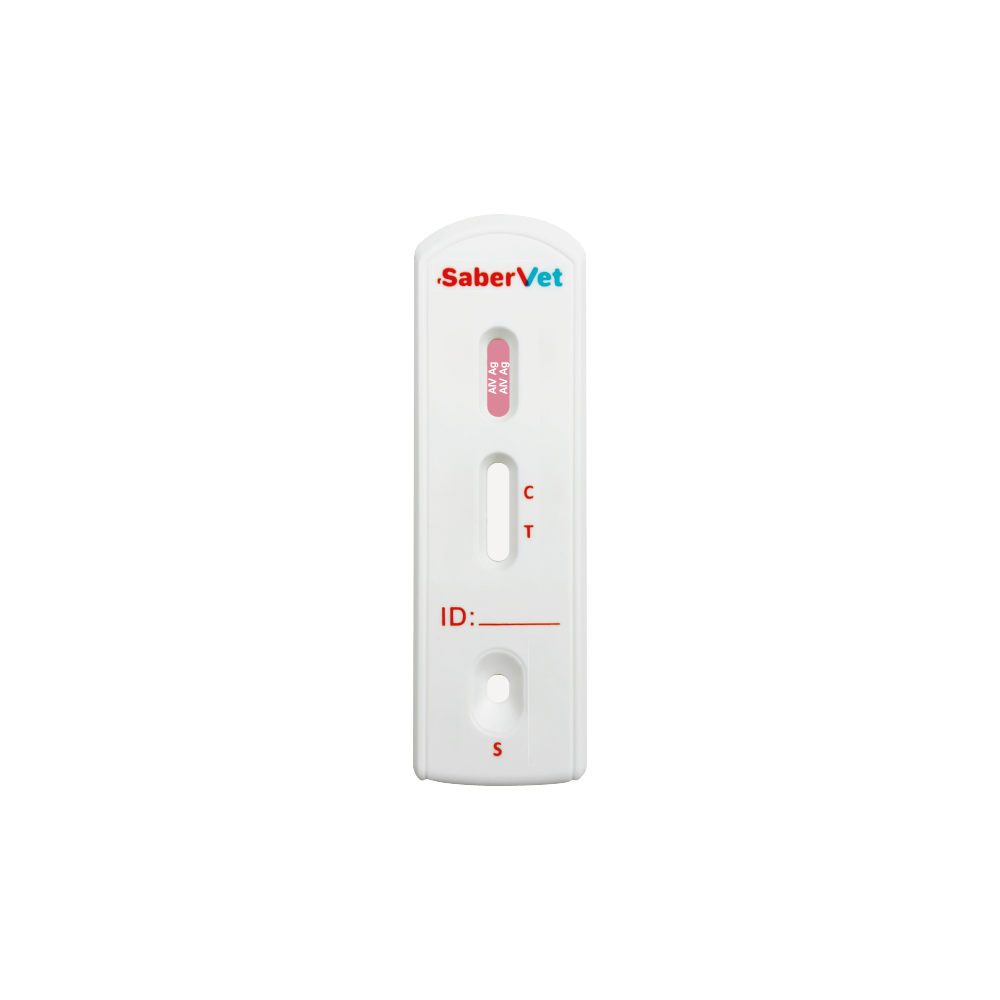
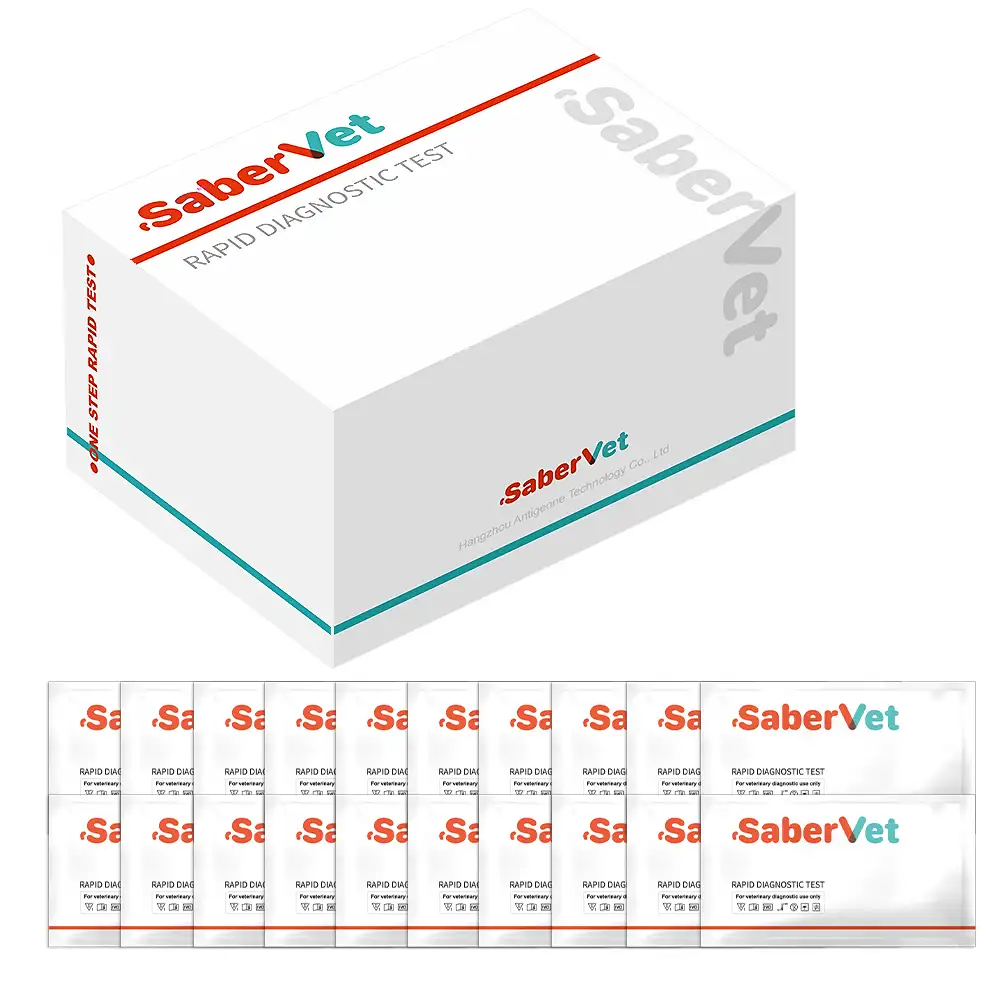
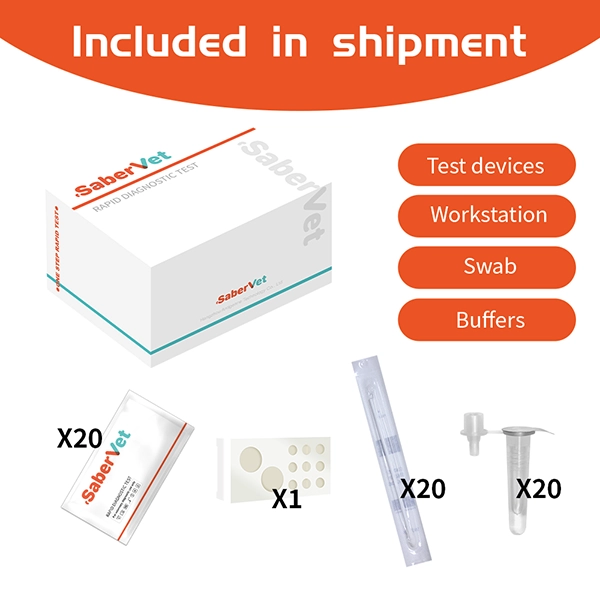
The SaberVet Avian Influenza Virus Antigen Rapid Test sold by Antigenne is a lateral flow immunoassay intended for the qualitative detection of specific antigen from Avian Influenza Virus(AIV) in laryngeal secretions/cloaca swab sample. The test is useful for determination of AIV infection. It is recommended to use in birds with anorexia, cough, sneezing, sinusitis and other symptoms.

Production in China at a CE, ISO 13485 & GMP certified factory.
Results in 10 Minutes
Room Temperature(2-30°C) Storage

Technical Specifications

Detailed technical parameters and product description for professional evaluation.

Introduction to Pathology

Transmission and Infection

Avian Influenza Virus (AIV) belongs to the Orthomyxoviridae family of influenza A viruses. Depending on their surface antigens Hemagglutinin (HA) and Neuraminidase (NA), AIV viruses are classified into several subtypes, of which the H5 and H7 subtypes of highly pathogenic avian influenza (HPAI) are a major threat to avian and human health.  

Pathologic process

Highly pathogenic avian influenza (HPAI): commonly found in the H5 and H7 subtypes, the infection manifests itself as a severe systemic disease with acute onset and high mortality. Pathologic changes include: Acute systemic infection: rapid spread of the virus throughout the body, affecting multiple organs and systems. Tissue lesions: hemorrhage, necrosis, and inflammation, especially in the respiratory and digestive tracts and the nervous system. Immune response: intense inflammatory response and cytokine storm. Low Pathogenic Avian Influenza (LPAI): common in other subtypes, symptoms are mild and usually limited to the respiratory and digestive tracts.  

Clinical signs

Poultry: HPAI: acute death, respiratory distress, decreased egg production, swelling, hemorrhage (infarct spots), diarrhea, neurological signs (e.g., tremors, ataxia). LPAI: mild respiratory symptoms, decreased appetite, decreased egg laying, mild diarrhea. Wildfowl: symptoms are diverse, and some wildfowl can be carriers of the virus without apparent symptoms.  

Means of detection

Clinical diagnosis Clinical symptoms and pathologic changes can suggest avian influenza infection, but laboratory tests are needed to confirm the diagnosis.  

Laboratory tests

Antigen detection Rapid Immunochromatographic Test Strips (RITS): detect avian influenza virus antigens using immunochromatographic techniques.   Enzyme-linked immunosorbent assay (ELISA): Detects avian influenza virus antigen or antibody in samples with high sensitivity and specificity, suitable for laboratory testing. Immunofluorescence assay (IFA): used to detect the presence of viral antigens in cells or tissues.  

Molecular detection

Reverse transcription PCR (RT-PCR): by detecting avian influenza virus RNA in samples, it is the most commonly used and highly sensitive and specific assay for various sample types (e.g., swabs, tissues, blood). Quantitative PCR (qPCR): Used to quantify viral RNA to help assess viral load and degree of infection.  

Virus isolation and culture

Viruses are isolated from collected samples, cultured and identified. This method, although accurate, is time-consuming and requires specialized laboratory equipment.  

Treatment Options

Currently, the treatment of avian influenza focuses on outbreak control and symptomatic treatment, as described below: Epidemic control Isolation and culling: Isolate infected flocks to prevent the spread of the virus.   For highly pathogenic avian influenza-infected flocks, culling measures are usually taken to control the spread of the epidemic. Disinfection and hygiene management: Strictly disinfect poultry houses, utensils, and transportation tools. Strengthen feeding management, reduce stress factors, and maintain environmental hygiene.   Vaccination: In some areas, vaccinate poultry against avian influenza to prevent infection and spread of the virus. Symptomatic treatment. For infected poultry, especially during influenza outbreaks, treatment is mainly symptomatic supportive therapy to improve survival rates:   Antiviral drugs: Neuraminidase inhibitors (e.g., oseltamivir) are available for treatment in the case of human and some pet bird infections, but have limited application in large-scale poultry production.   Supportive therapy: Provide nutritional support, maintain hydration, and control secondary infections (e.g., use broad-spectrum antibiotics to prevent bacterial infections). Use anti-inflammatory medications to reduce the inflammatory response.  

Preventive Measures

Biosecurity Measures: Strictly control access to personnel and equipment to reduce foreign sources of infection. Isolate newly introduced birds for observation and confirm that they are disease-free before mixing them into existing groups. Regular monitoring and testing: Conduct regular health monitoring and virus testing of poultry flocks to detect and control outbreaks promptly. Good feeding management: Provide suitable environment and nutrition, reduce stress factors, and improve the immunity of birds.  

Summarize

Avian influenza virus is a pathogen that poses a serious threat to avian and human health, and early diagnosis and effective control of outbreaks is the key to preventing the spread of the virus. Avian influenza viruses can be accurately detected through a variety of means, including antigen detection, molecular testing, and virus isolation so that effective control and treatment measures can be taken. An integrated prevention and control strategy, including biosecurity measures, vaccination, and regular surveillance, can help prevent and control outbreaks of avian influenza.   The ITGEN Pet Rapid Test Kit, the pioneer in animal diagnostics. Our innovative technology and rapid diagnostic products create accurate and timely health protection for your pet's health.

Key Features of SaberVet Avian influenza Virus Antigen Rapid Test

Advanced diagnostic technology designed for accuracy, simplicity, and reliability in veterinary practice.

High Accuracy

Clinical performance with 99% sensitivity and specificity, ensuring reliable diagnostic results for professional veterinary use.

Rapid Results

Get accurate diagnostic results in just 5-10 minutes without any laboratory equipment or complex procedures.

Easy to Read

Clear visual results with distinct color lines that are easy to interpret, reducing the chance of reading errors.

Testing Procedure

Simple 4-step process for accurate veterinary diagnostic results.

1

Sample Collection

Collect serum, plasma, or whole blood sample using provided collection tools.

2

Add Sample

Drop 2-3 drops of sample into the sample well on the test cassette.

3

Wait for Results

Allow 5-10 minutes for the test to develop at room temperature.

4

Read Results

Interpret the results based on the presence or absence of colored lines.

Result Interpretation

Positive

Two colored lines appear (C and T lines)

Negative

Only control line (C) appears

Invalid

No control line appears - repeat test

Quality Standards & Certifications

ITGen maintains the highest quality standards with comprehensive certifications and batch consistency guarantees.

Certifications & Standards

ISO 9001
Management System
GMP
Good Manufacturing
CE
European Conformity
ISO 13485
Approved Standards

Quality Guarantees

Batch Consistency

Every batch tested for consistent performance

Quality Control

Rigorous QC testing at every production stage

Traceability

Complete batch tracking and documentation

Performance Metrics

Sensitivity 99.2%
Specificity 98.8%
Accuracy 99.0%
Reproducibility 97.5%

8 Years of proven excellence in veterinary diagnostics manufacturing

Custom Solutions & Bulk Sourcing

Comprehensive OEM/ODM services with flexible bulk pricing and global logistics support for business partners.

OEM/ODM Services

  • Custom Brand Packaging
  • Private Label Solutions
  • Product Customization
  • Design Modifications

Bulk Pricing

  • Volume Discounts
  • Tiered Pricing Structure
  • Long-term Contracts
  • Flexible Payment Terms

Global Logistics

  • Worldwide Shipping
  • Fast Delivery Options
  • Cold Chain Logistics
  • Documentation Support

Partnership Benefits

48-Hour Quote Response

Fast turnaround time for all inquiries and custom requirements.

24/7 Technical Support

Comprehensive technical assistance and product training.

Quality Assurance

ISO GMP certified manufacturing with consistent quality control.

Get Custom Quote

Frequently Asked Questions

Common questions about product usage, storage, and bulk ordering.

How accurate are the test results?

Our rapid test kits demonstrate 99% sensitivity and 98.8% specificity in clinical trials, ensuring highly accurate diagnostic results for veterinary professionals.

What is the shelf life and storage requirement?

The product has a 24-month shelf life when stored at 2-30°C. Room temperature storage makes it convenient for field use without refrigeration requirements.

What are the minimum order quantities for bulk purchases?

Minimum order quantities vary by product and customization requirements. Contact our sales team for specific MOQ information and volume pricing tiers.

Do you provide OEM/ODM services?

Yes, we offer comprehensive OEM/ODM services including custom packaging, private labeling, and product modifications to meet specific market requirements.

What shipping options are available for international orders?

We provide worldwide shipping with express delivery options. Our logistics team handles all documentation and ensures proper cold chain management when required.

Still have questions? Our technical support team is here to help.