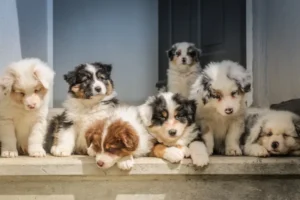
You might ask if your dog can catch the new COVID variant. Studies say some dogs test positive for SARS-CoV-2. But most pets have a low risk. Look at this table to see how often dogs get infected:
| Study Title | Percentage of Dogs Tested Positive |
|---|---|
| Spillover of SARS-CoV-2 to domestic dogs in COVID-19–positive households | 12.24% |
| Active surveillance of cats and dogs from households with human COVID-19 | 25% (dogs with confirmed infection) |
| Over one quarter of pets infected with SARS-CoV-2 | 28.8% (overall for pets) |
Canine and human coronaviruses are not the same. Dogs mostly get canine coronaviruses. These do not usually make dogs very sick. If you want to be sure, you can use a Canine Coronavirus Snap Test. This test gives fast and correct results at home.
Does the new COVID variant affect dogs?
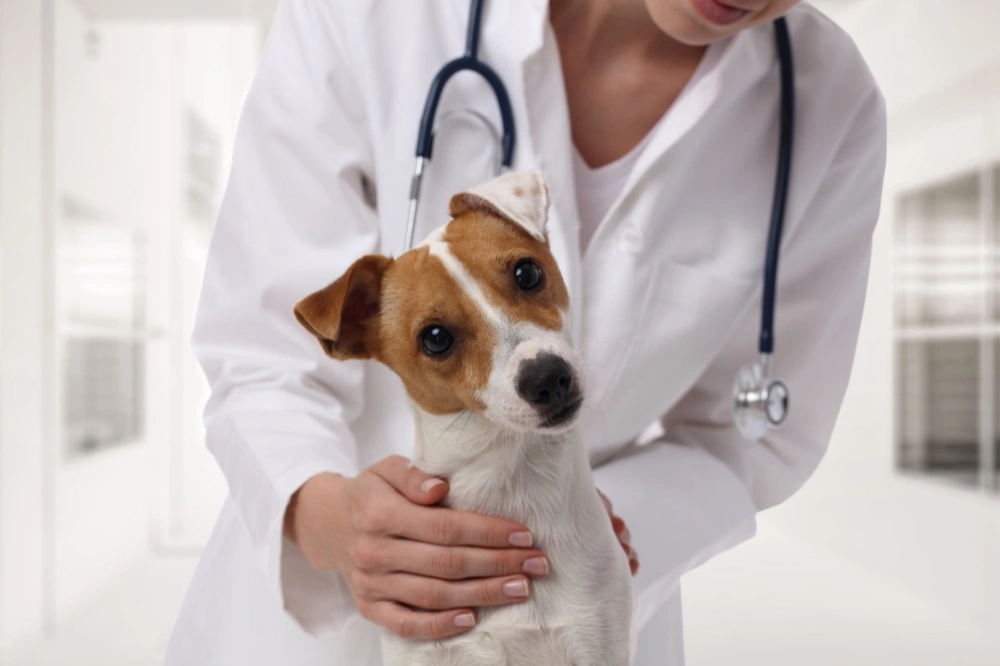
You might wonder if the new COVID variant is dangerous for your dog. Research shows dogs have a much lower chance of getting sick from new COVID variants like omicron. This is less than with older strains. Scientists found that during the delta wave, many pets in homes with COVID had antibodies. This means they were exposed to the virus. But when omicron became the main variant, almost no dogs showed infection signs. So, dogs are much less likely to catch or get sick from the new COVID variant.
How are human and canine coronaviruses different?
Human COVID variants and canine coronaviruses are not the same. They are in different groups and have very different genes. Here are some main differences:
- Canine coronaviruses (CCoV) are in the α-coronavirus group. Human COVID variants, like SARS-CoV-2, are in the β-coronavirus group.
- The genes of CCoV and human COVID variants are only about 34.4% to 46% alike.
- CCoV is closer to other animal coronaviruses, like feline coronavirus and porcine transmissible gastroenteritis virus, than to human COVID variants.
Tip: Because these viruses are so different, a test made for canine coronavirus, like a gold dipstick or colloidal gold strip, will not find human COVID variants in dogs. These tests use lateral flow device technology, which is very specific for the virus it looks for.
You can see the differences in this table:
| Aspect | Canine Coronavirus (CCoV) | Human COVID Variants (SARS-CoV-2) |
|---|---|---|
| Virus Genus | α-coronavirus | β-coronavirus |
| Genetic Similarity (to each other) | 34.4% – 46% | 34.4% – 46% |
| Main Host | Dogs | Humans |
| Transmission Route | Dog-to-dog | Human-to-human |
Can dogs transmit COVID variants?
You may worry your dog could spread COVID to you or others. Studies show dogs can catch the virus from humans. But there is no proof dogs can give it back to people or other animals. In one study, almost 70% of pet dogs living with COVID-positive people had antibodies. This shows they were exposed. But scientists have not found any cases where a dog gave the virus to a human or another animal.
Here is a quick look at how often pets have antibodies after exposure:
| Species | Seroprevalence Rate |
|---|---|
| Dogs | 33% |
| Cats | 27% |
- The virus moves mostly from humans to pets, not the other way.
- As the virus changes, it becomes less able to infect animals like dogs.
- Dogs usually have a lower viral load than humans. This means they are less likely to spread the virus.
Note: The main risk comes from humans, not pets. You should always keep good hygiene. But you do not need to worry about your dog spreading the new COVID variant.
Many rapid tests for canine coronavirus, like those made by a lateral flow device factory or a colloidal gold test strip manufacturer, only look for CCoV. These tests use special methods like colloidal gold immunochromatography. They give fast and correct results for your dog’s health.
How is canine coronavirus diagnosed?
Why might traditional methods miss infections?
You may wonder how canine coronavirus is found. RT-PCR is a common test for infection. But this test has some problems. It needs special machines that are not everywhere. The test can cost a lot of money. You might wait one or two days for results. Only trained people can collect samples the right way. Testing can hurt, so dogs may not want to do it.
| Limitation | Description |
|---|---|
| Reliance on sophisticated equipment | PCR tests need advanced machines not found everywhere. |
| High costs | The price of PCR testing can make diagnosis less accessible. |
| Processing times | Results can take 1–2 days, delaying early accurate diagnosis. |
| Sample collection difficulties | Only trained people can collect samples safely and correctly. |
| Discomfort during testing | Testing can cause pain, making dogs less willing to participate. |
Sometimes, these tests do not find the infection. RT-PCR can miss infection in more than half of cases. This means you may not know if your dog is sick. If you miss an infection, your dog may not get help fast. Puppies and sick dogs can be in danger if diagnosis is late.
Now, many people use rapid tests to check for infection. These tests are called gold dipstick or colloidal gold strip. They use lateral flow device technology. A lateral flow device factory or a colloidal gold test strip manufacturer makes these tests. The tests use colloidal gold immunochromatography to find infection fast.
What symptoms should owners watch for?
You should look for signs your dog is sick. Finding symptoms early helps your dog get care fast. Here is a table with common symptoms of canine coronavirus:
| Symptom | Description |
|---|---|
| Watery Diarrhea | Can be mild or moderately severe. |
| Acute Diarrhea | Most common sign, may change in appearance. |
| Mild Anorexia | Dogs may eat less than usual. |
| Depression | Dogs may seem sad or less active. |
| Vomiting | Sometimes occurs with infection. |
| Bloody Diarrhea | Rare, but possible. |
| Fever | Not common, but can happen. |
Watery or acute diarrhea is usually the first sign. Mild anorexia and depression can come next. Vomiting, bloody diarrhea, or fever do not happen as much, but they can still show up.
If you see these signs, get your dog checked right away. Rapid tests from a lateral flow assay manufacturer or gold dipstick factory can give answers in minutes. Fast diagnosis helps your dog get treatment sooner and stay healthy.
🐶 Tip: Early accurate diagnosis of infection helps your dog get better quickly.
How does the canine coronavirus snap test work?
What is the process for using the snap test?
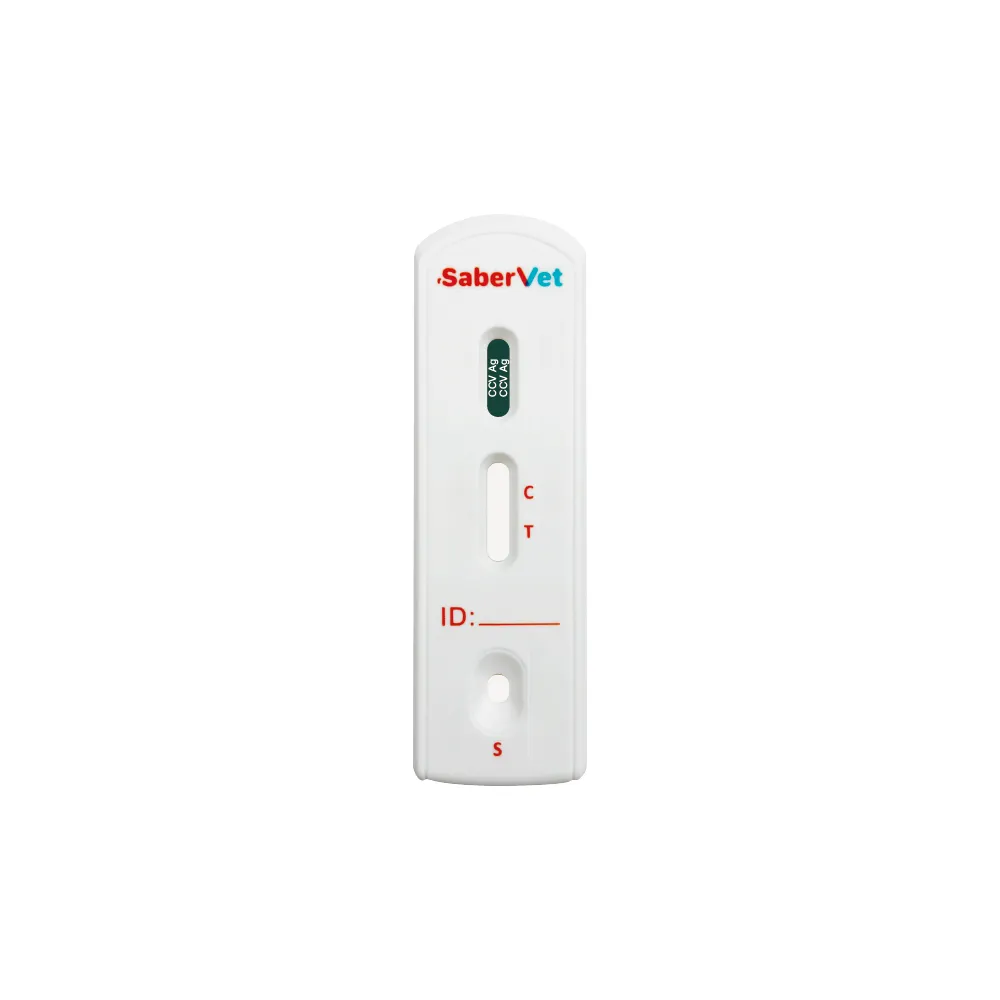
You might wonder how to use the canine coronavirus snap test at home. The steps are easy and fast. First, you collect a fresh fecal sample or use a rectal swab from your dog. The test kit gives you everything you need. Put the sample into the buffer solution that comes in the kit. Next, add a few drops of this mixture onto the test device. The device uses a lateral flow system. This is the same technology used in many other medical tests.
The SaberVet Canine Coronavirus Antigen Rapid Test uses special methods like colloidal gold immunochromatography. This helps the test find the virus quickly. Inside the device, there is a gold dipstick and a colloidal gold strip. These react with any coronavirus antigens in your dog’s sample. If the test finds the virus, a clear line will show up on the device. You do not need special training or tools. The test gives results in less than 10 minutes.
Many pet owners like the canine coronavirus snap test because it is simple to use and gives fast answers. You can check your dog at home. This saves time and keeps your pet calm. The test is made by a trusted lateral flow device factory and a top lateral flow assay manufacturer. These companies make sure the test is safe and works well.
🏠 Tip: Use the canine coronavirus snap test if your dog shows symptoms. Early rapid detection helps you act quickly and keep your dog healthy.
How accurate and fast is the snap test?
You want a test that gives you answers you can trust. The SaberVet Canine Coronavirus Antigen Rapid Test is known for high sensitivity and specificity. Sensitivity means the test finds real infections. Specificity means it avoids false alarms. Here is a table with the test’s performance:
| Test Type | Sensitivity | Specificity |
|---|---|---|
| SaberVet Canine Coronavirus Antigen Rapid Test | 99.80% | 97.69% |
You get results in under 10 minutes. This means you do not wait long to know if your dog has the virus. The test uses rapid detection technology. This is important for early treatment. The canine coronavirus snap test is also a good value. You do not need to go to a clinic or pay for expensive lab tests.
The test meets strict quality standards. It is made in a place with ISO 9001, GMP, CE, and ISO 13485 certifications. Here is a table showing these standards:
| Certification/Standard | Description |
|---|---|
| ISO 9001 | Management System |
| GMP | Good Manufacturing |
| CE | European Conformity |
| ISO 13485 | Approved Standards |
The canine coronavirus snap test uses technology from top companies like a gold dipstick factory and a colloidal gold test strip manufacturer. These experts use the latest methods in lateral flow device production. The test uses a colloidal gold strip. This helps with fast detection and clear results. The lateral flow device design makes the test easy to use at home or in a clinic.
You can trust the canine coronavirus snap test for quick answers and reliable results. The test helps you make fast choices about your dog’s health. With rapid detection, you can start care right away if your dog needs it.
🕒 Note: Fast and accurate testing keeps your dog safe and helps you worry less. The canine coronavirus snap test is a smart choice for every pet owner.
Can the snap test detect the new COVID variant in dogs?
What are the strengths and limits of the snap test?
You may wonder if the canine coronavirus snap test can find the new COVID variant in your dog. The snap test is a rapid tool that helps you check for canine coronavirus (CCV) in minutes. It uses advanced technology like a lateral flow device, a gold dipstick, and a colloidal gold strip. These parts work together to give you a clear answer about CCV. The test uses colloidal gold immunochromatography, which means it looks for specific antigens from canine coronavirus in your dog’s sample.
The main strength of this rapid test is its speed and accuracy. You get results in less than ten minutes. You do not need special training or equipment. The test is easy to use at home. A lateral flow assay manufacturer and a gold dipstick factory make sure the test meets high standards. The test is also cost-effective, so you can check your dog’s health without spending too much.
However, the snap test does not detect human COVID-19 variants like SARS-CoV-2. It only finds CCV. The test cannot tell you if your dog has the new COVID variant that affects people. The design comes from a colloidal gold test strip manufacturer and a lateral flow device factory, so it is very specific for canine coronavirus.
Are other tests or steps needed?
If your dog shows symptoms like vomiting or diarrhea, you should use a rapid test first. This helps you know if your dog has CCV. If the rapid test is negative but your dog still feels sick, you should talk to your veterinarian. Your vet may suggest more tests to rule out other diseases. Sometimes, your vet may use PCR or other lab tests to check for rare infections.
🩺 Tip: Always consult your veterinarian if your dog has severe symptoms or does not get better after a rapid test. Early action helps keep your pet safe.
You can trust the rapid snap test for quick answers about CCV. For human COVID variants, you need different tests. Your vet can guide you on the best steps for your dog’s health.
What should owners do if their dog shows symptoms?
What immediate steps should be taken?
If your dog looks sick, you should help right away. This can make your dog feel better and stop germs from spreading. Here are some things you should do:
- Wash your hands before and after you touch your dog.
- Wear a medical face mask if you are sick and care for your dog.
- Stay away from your dog if you have symptoms or test positive for COVID-19.
- Ask someone healthy at home to take care of your dog if you can.
- Do not share food, bedding, or toys with your dog if you feel sick.
- Check your dog’s rectal temperature if you see changes in how they act or eat.
- Clean and disinfect things your dog touches a lot.
- Cover your coughs and sneezes and throw tissues away right after.
- Make sure your dog drinks enough water every day.
- Feed your dog bland food or what your vet says is best for stomach problems.
- Use probiotics for your dog’s gut health if your vet says it is okay.
- Only give anti-nausea or anti-diarrhea medicine if your vet tells you to.
You can use a rapid test like a Gold dipstick or a Colloidal gold strip to check for canine coronavirus. These tests use lateral flow device technology and colloidal gold immunochromatography. You can get these tests from a Colloidal gold test strip Manufacturer, Gold dipstick Factory, Lateral Flow Assay Manufacturer, or Lateral flow device Factory.
🐾 Tip: Helping your dog quickly can help them get better fast and keep other pets safe.
When should a vet be consulted?
Some signs mean you should call your vet right away. Look at this table to see when your dog needs a vet’s help:
| Symptoms of Canine Coronavirus | Symptoms of Canine Respiratory Coronavirus |
|---|---|
| Diarrhea (sometimes bloody) | Coughing |
| Vomiting | Sneezing |
| Decreased appetite | Difficulty breathing |
| Painful abdomen | Eye discharge |
| Lethargy | Nasal discharge |
| Dehydration | Gagging/regurgitation at end of cough |
| Fever | Fever |
| Seizures in severe cases | Lethargy |
| Decreased appetite |
If your dog has any of these signs, call your vet. Your vet knows what to do and can help your dog feel better. Getting help early can stop things from getting worse.
🚨 Note: Trust your feelings. If your dog looks very sick or does not get better, get help right away.
You found out dogs do not get very sick from the new COVID variant. Most dogs have mild symptoms or no symptoms at all. Canine coronavirus is not the same as human COVID. You do not need to worry about a big outbreak in dogs. The SaberVet snap test lets you check for canine coronavirus fast. You can use tools like Gold dipstick, Colloidal gold strip, and Lateral flow device. These come from trusted places like Colloidal gold test strip Manufacturer, Gold dipstick Factory, Lateral Flow Assay Manufacturer, and Lateral flow device Factory. Veterinary groups say you should do these things:
- Wash your hands before and after you touch dogs.
- Do not share food or utensils with dogs.
- Stay away from dogs if you are isolating.
- Call your vet if your dog seems sick.
These tips help keep your dogs safe and stop outbreaks. The SaberVet test helps you feel calm and lets you act quickly.
FAQ
Can dogs get the new COVID variant from people?
You do not have to worry about your dog getting the new COVID variant from you. Most dogs do not get sick from human COVID. The main thing to watch for is canine coronavirus in dogs, not human COVID.
How does the SaberVet snap test help with detection?
The SaberVet snap test lets you find canine coronavirus fast. It uses lateral flow device technology for correct results. You get answers in less than 10 minutes. This helps you act quickly if your dog has symptoms.
What makes the SaberVet test different from other detection methods?
The SaberVet test uses special detection technology called colloidal gold immunochromatography. This gives high sensitivity and specificity. You do not need special skills to use it. The test is easy to use at home and gives quick results.
Can I trust at-home detection with the SaberVet test?
You can trust the SaberVet test for at-home detection. The test is very accurate. It uses a gold dipstick and colloidal gold strip for reliable results. You get clear answers without waiting for lab tests.
When should I use a detection test for my dog?
Use a detection test if your dog has symptoms like diarrhea or vomiting. Early detection helps you start care fast. If the test shows a problem, call your vet. Detection with a lateral flow device is simple and quick.
If you are looking for high-sensitivity test strips, you can find our all Sabervet® diagnostics products here. For those seeking integrated diagnostic systems or partnership opportunities, please explore our Sabervet® diagnostic solutions online store here.