Can Cats Get Canine Distemper Virus
It’s alarming to think that your cat might catch a disease associated with dogs, but is it possible? Proper answers are critical for pet owners’ peace of mind.
No, cats cannot naturally contract the canine distemper virus (CDV), as they are not its natural hosts. Feline distemper, often confused, arises from a completely different virus—feline panleukopenia virus (FPV).
Can cats naturally get infected with canine distemper virus?
The idea of a cat catching a canine’s disease sounds worrisome. But how likely is it in reality? This question has left many owners concerned.
Cats are not natural hosts for canine distemper virus (CDV). Their immune systems and biology do not support this virus’s lifecycle. Hence, natural infection among cats does not occur.
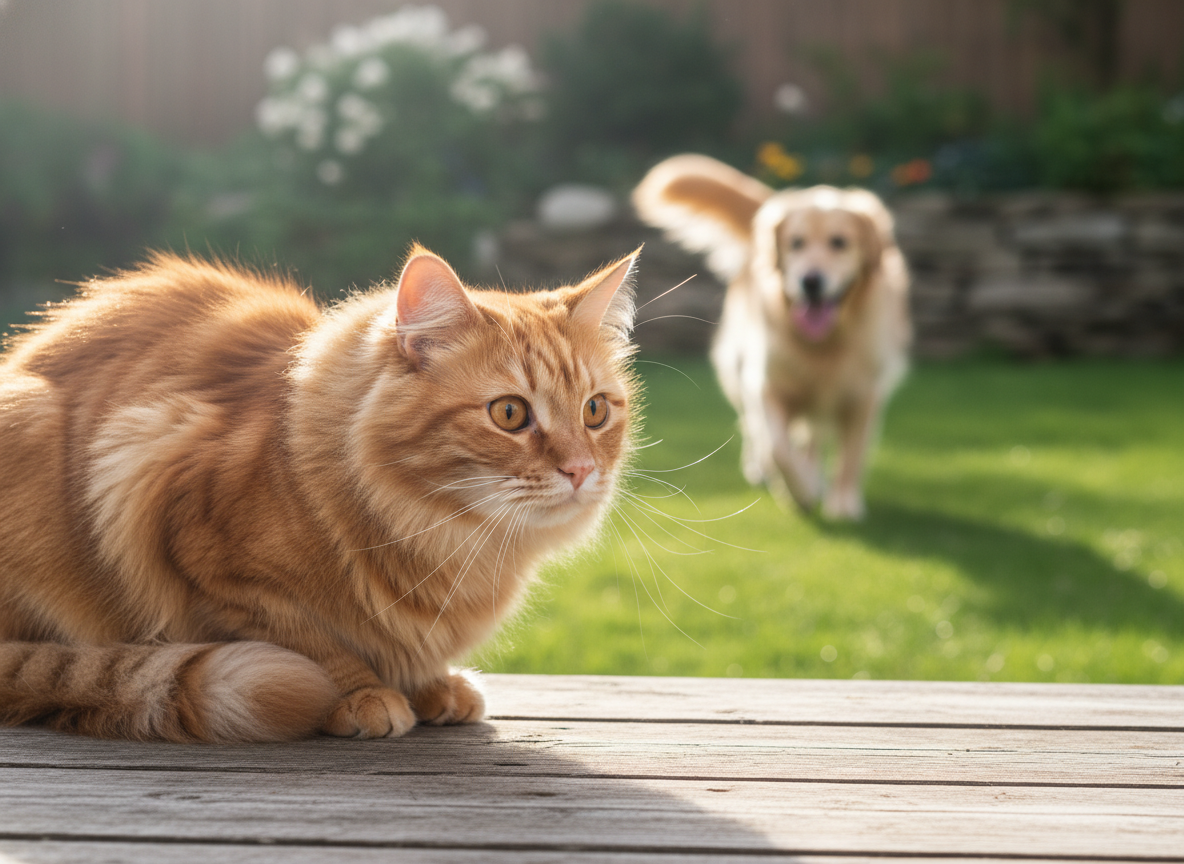
When thinking of “distemper” for cats, most concerns stem from misidentification of diseases between species. Use clear distinctions to avoid misdiagnosis.
Scientifically, CDV thrives in canine environments, targeting dogs specifically. The feline immune system rejects CDV. Understanding this specificity helps vet professionals give accurate care to each species.
What is the difference between feline distemper and canine distemper?
The blurring of terms like “distemper” for cats and dogs causes confusion. Misunderstanding can lead to wrong assumptions about pet health.
Feline distemper is due to feline panleukopenia virus (FPV), a virus unique to cats. Distemper virus in dogs, or Canine distemper, comes from CDV, infecting dogs. These viruses share no direct crossover risks.
 >
>
When viruses sound alike, it can lead to unnecessary panic. Learning their differences helps reduce misunderstood risks for cats and dogs.
FPV attacks a cat’s gastrointestinal region, rapidly depleting white blood cells. CDV targets dogs’ respiratory system and neurological functions. Recognizing these specifics strengthens veterinary approaches.
Are there rare cases of cats contracting CDV?
While uncommon, stories of cats with canine-linked illnesses have circulated. This fosters uncertainty in pet safety against unexpected transmissions.
Cats rarely contract canine distemper virus (CDV) under abnormal, forced experimental conditions. In natural environments, the likelihood remains negligible.
Rare cases do not reflect representational risk. Special vet interventions are opted when cats show suspicious symptoms.
Cats experimentally exposed to live CDV particles demonstrated temporary symptoms, indicating minimal vulnerability. Differences remained clear in cross-species interactions and ensured cats’ natural immunity.
Why is distinguishing between FPV and CDV important for prevention?
Failing to distinguish illnesses can result in incorrect treatments and harm. Differentiation is essential for targeted intervention and care.
FPV and CDV require distinct preventative strategies. Knowing which virus affects a specific species ensures proper vaccinations and disease control methods.
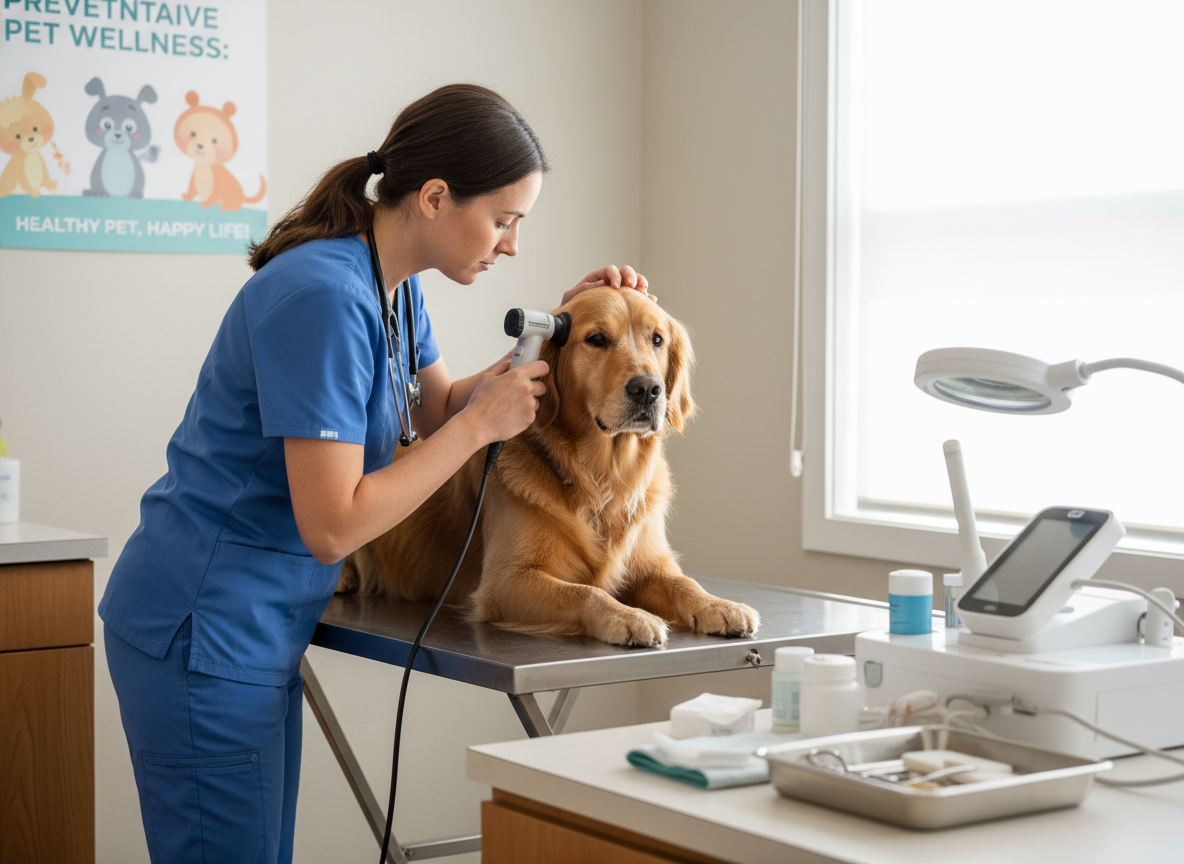
Accurate identification simplifies routine pet care and avoids unnecessary panic. It builds confidence in diagnostics vets use, such as a CDV test kit.
FPV vaccines protect cats from preventable symptoms and fatal risks. CDV vaccinations in dogs cover respiratory and neurological problems. Shared knowledge from a Pet Medical Diagnosis Regional Wholesaler helps prevent common transmission myths.
Conclusion
Cats cannot naturally contract canine distemper virus, and distinguishing FPV from CDV ensures pet safety through accurate prevention and care for specific viruses.
References