Avian Influenza – Healthcare Support and Advice
Avian influenza is a serious threat, causing widespread fear and misinformation. Knowing how it spreads, its symptoms, and preventive advice is key to managing this health risk.
Avian influenza, primarily affecting birds, can transmit to humans through direct contact with infected animals or surfaces. Preventive measures and proper hygiene are vital in reducing transmission.
How does avian influenza spread to humans?
Understanding the transmission routes is crucial to preventing avian influenza. Direct contact with infected poultry, contaminated surfaces, or ingestion of undercooked poultry can lead to human infection.
The virus spreads through direct contact with infected birds or contaminated surfaces, emphasizing the importance of personal protective measures. Avoiding exposure to infected animals and practicing good hygiene are essential preventive strategies.
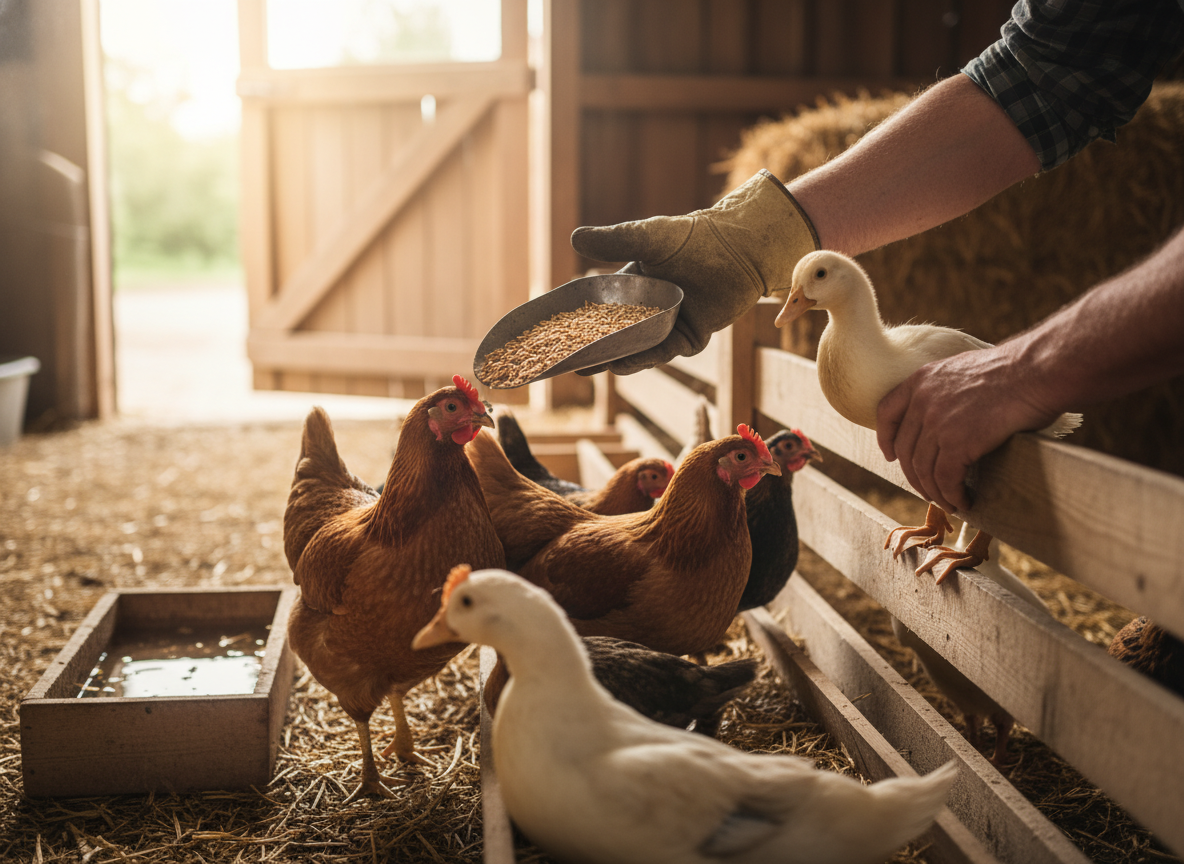
Understanding how avian influenza spreads helps in implementing effective preventive measures. Hygienic practices, such as regular handwashing, limiting contact with infected animals, and using protective gear, significantly reduce infection risks. Public awareness campaigns emphasizing safe handling of poultry and monitoring health are vital to controlling avian influenza.
Transmission occurs mostly via exposure to infected birds, particularly in farming environments where biosecurity measures might be lax. It’s essential to implement strict biosecurity protocols and train personnel in hygiene. Regular Poultry Testing and identifying risk zones can prevent outbreaks. Using a reliable H5 AIV Diagnostic Test can help in early detection. Personal protective equipment is also crucial for high-risk professions. Tables outlining risk measures can aid in comprehension.
What are the typical symptoms of avian influenza infection?
Recognizing symptoms early can lead to timely treatment. Common signs include fever, cough, sore throat, and muscle aches, similar to seasonal flu but can be severe.
Symptoms of avian influenza in humans often mirror those of regular influenza, including fever, cough, and body aches. However, complications can arise, making medical advice essential if symptoms persist.

Understanding the symptoms of avian influenza is key in seeking timely medical intervention. Though initial symptoms resemble a common cold, the illness can escalate into pneumonia or severe respiratory distress. Keeping track of symptom onset and progression with a healthcare provider can yield better treatment outcomes. When symptoms appear especially severe or prolonged, medical intervention becomes crucial for patient recovery. Information tables detailing symptom progress can aid in quick recognition.
When should individuals seek medical attention for avian influenza?
Delay in seeking medical advice can lead to complications. Recognizing severe symptoms and risk factors is vital for timely healthcare intervention.
Medical attention should be sought if high fever, difficulty breathing, or other severe symptoms occur. Immediate healthcare advice minimizes complications and optimizes recovery.

Knowing when to seek help is crucial to minimizing health risks. While self-care is essential, consulting healthcare providers is necessary when symptoms advance. Checklists for high-risk symptoms can help patients assess their situation before talking with doctors, ensuring they’re adequately informed. If avian influenza is suspected, using an avian flu test kit on the suspected bird population can provide quick confirmation. Professional advice from experienced healthcare providers reduces complications. By recognizing signals that call for medical attention, it becomes easier to prevent avian influenza-related health issues with better treatment strategies in place.
What daily measures can help reduce the risk of avian influenza?
Implementing preventive strategies is effective in minimizing infection risks. Personal hygiene and avoiding direct contact with infected birds are primary measures.
Daily precautions significantly reduce avian influenza risks. Practicing good hygiene, such as regular handwashing, avoiding contact with wild birds, and maintaining clean environments, is vital.

Daily measures to prevent avian influenza focus on hygiene and minimizing exposure to potential sources. Methods include frequent handwashing, safe handling of poultry products, and avoidance of contact with wild or sick birds. Environmental cleanliness and avoiding cross-contamination are crucial in areas with high poultry concentrations. Public information on practical preventive measures plays a big role in reducing community health risks. Tables summarizing hygiene practices can be helpful educational tools. By focusing on responsible behaviors daily, individuals can effectively lower the chances of infection.
Conclusion
Understanding avian influenza, its transmission, symptoms, and preventive measures supports effective healthcare responses and reduces infection risk.
References
- World Health Organization (WHO) – Avian Influenza
- Hong Kong Centre for Health Protection – Avian Influenza
- U.S. Centers for Disease Control and Prevention (CDC) – Avian Influenza